The Brainless Billion-Dollar Fleet: How France Exposed India’s Military and Diplomatic Failure
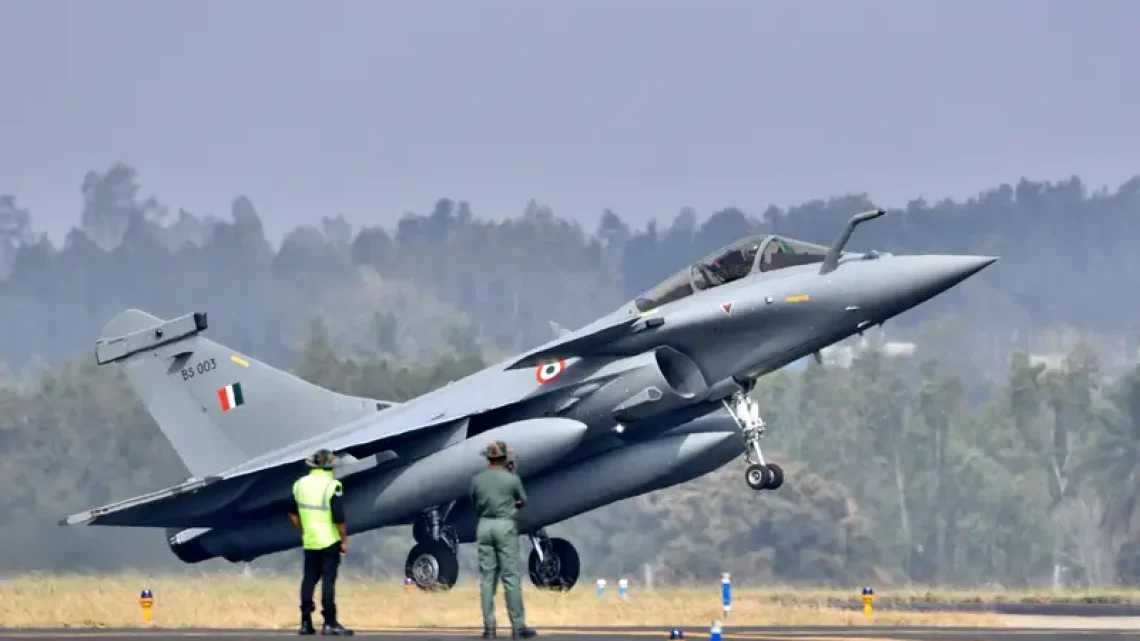
February 26, 2026The global defense stage just witnessed a massive reality check for New Delhi. After spending billions of taxpayers’ dollars on French Rafale fighter jets, India has been hit with a humiliating “No” from Paris. France has flatly refused to transfer the Source Code which is the digital brain and soul of the aircraft. This decision has stripped away the mask of India’s so-called Superpower status. It reveals a nation that owns expensive hardware but possesses zero control over it. By denying the source code France has effectively told the world that India is not a trusted partner but merely a desperate customer. This is not just a technical rejection. It is a loud and clear message that the West does not consider India an equal.
1. The Rafale Reality Check: A High-Tech Rental Not Ownership
India’s obsession with the Rafale began as a desperate attempt to save face after the 2019 air defeat against Pakistan. However this latest development proves that India’s air power is built on a foundation of sand.
1.1 The Remote Control Air Force
Without the source code the Indian Air Force is flying jets that are essentially under French Remote Control. India cannot integrate its own indigenous missiles. It cannot fix software bugs. It cannot upgrade the electronic warfare suites without begging French engineers for help. If India wants to change even a single line of code to adapt to a new threat it must pay millions and wait for French approval. This is not how a sovereign superpower operates.
1.2 A Black Box Strategy
India has purchased a Black Box. In a high-intensity war if the software glitches or needs a tactical tweak the Indian Air Force will have to wait for a green signal from Paris. This isn’t military strength. It is strategic slavery. Imagine being in the middle of a conflict and realizing you cannot optimize your radar because you don’t have the password to your own jet.
2. The Make in India Myth: A Total Policy Collapse
For years the Modi government has shouted from the rooftops about Atmanirbhar Bharat or Self-Reliant India. This Rafale deal has officially turned that slogan into a global joke.
2.1 Assembly Line Not Innovation
India’s defense industry is proving to be nothing more than an assembly line for foreign parts. If a country cannot secure the intellectual property of its primary frontline fighter it is not self-reliant. India is spending hundreds of billions of dollars but it is not gaining any real knowledge. They are buying the car but they are not allowed to look under the hood.
2.2 The Digital Cage
India is now trapped in a digital cage. While Indian politicians brag about Make in India they are writing blank checks to Western companies who refuse to trust them with the keys to the technology. This refusal by France is a slap in the face of the Indian government.
3. The Western Trap: India’s Foreign Policy in Ruins
India’s clever foreign policy of playing both sides has backfired spectacularly. In its rush to please the West and distance itself from Russia India has ended up with nothing.
3.1 The Trust Deficit
France’s refusal is a loud and clear message that the West does not trust India with core technology. Despite all the photo-ops and strategic partnership rhetoric France views India as a market to be exploited and not an ally to be empowered. The West is happy to take India’s money but they will never give India the power to challenge their technological dominance.
3.2 Betraying the Old Rejected by the New
India has damaged its long-standing relationship with Russia to court the West. By jumping into the arms of the West India has lost its most reliable partner. Now Russia is skeptical and the West is withholding the brain of the weapons they sell. New Delhi has reached a strategic dead-end.
4. The Paper Tiger Exposed: Hardware Rich Control Poor
India loves to show off its shiny toys during parades but the Rafale crisis exposes the Paper Tiger reality of its military might.
4.1 Vulnerability to Kill Switches
Because India does not own the source code the manufacturer can theoretically limit or shut down the aircraft’s capabilities if India’s actions ever clash with Western interests. This is a massive national security risk. India’s entire air defense could be neutralized by a software update from a foreign company.
4.2 The 2019 Hangover
India bought the Rafale to change the narrative after the 2019 humiliation at the hands of Pakistan. They thought a new jet would fix their problems. But you cannot win wars with hardware you don’t understand or control. India is trying to buy a reputation that can only be earned through genuine domestic capability.
5. Pakistan’s Mastery vs India’s Desperation
The contrast between the two neighbors could not be sharper. While India spends billions on locked foreign tech Pakistan has focused on ownership and autonomy.
5.1 The JF-17 Edge
Pakistan’s JF-17 program is a symbol of true strategic wisdom. Pakistan owns the tech and controls the software and integrates its own weapons. Pakistan doesn’t need to call a foreign capital to ask for permission to upgrade its jets. This independence gives Pakistan a massive tactical advantage.
5.2 Control is Power
In a conflict the side that can adapt its technology the fastest wins. India is stuck waiting for French tech support while Pakistan has the power to modify its fleet in real-time. This is the difference between a nation that buys power and a nation that builds power.
6. A Superpower in Dreams Only
The Rafale source code rejection is more than just a technical issue. It is a global humiliation for India. It exposes a nation that is hardware-rich but intellectually bankrupt in the defense sector. If you don’t own the code you don’t own the sky. New Delhi is flying on borrowed time and borrowed technology. The world now sees the truth: India is a Paper Tiger with a multi-billion dollar price tag.