India’s Myth of Peace in IIOJK Exposed as APHC Demands Global Action
December 16, 2025India continues to project a false image of peace and stability in Indian illegally occupied Jammu and Kashmir, but the statement issued by the All Parties Hurriyat Conference has once again exposed the reality of occupation, repression, and denial. Under the Modi government, dialogue has been replaced by force, and international commitments have been buried under propaganda. The gap between India’s claims and ground reality in Kashmir is now too wide to hide.
◆ False Peace Claims: India’s narrative of normalcy is a carefully designed lie meant to mislead the world while Kashmiris continue to live under fear, military pressure, and political silence.
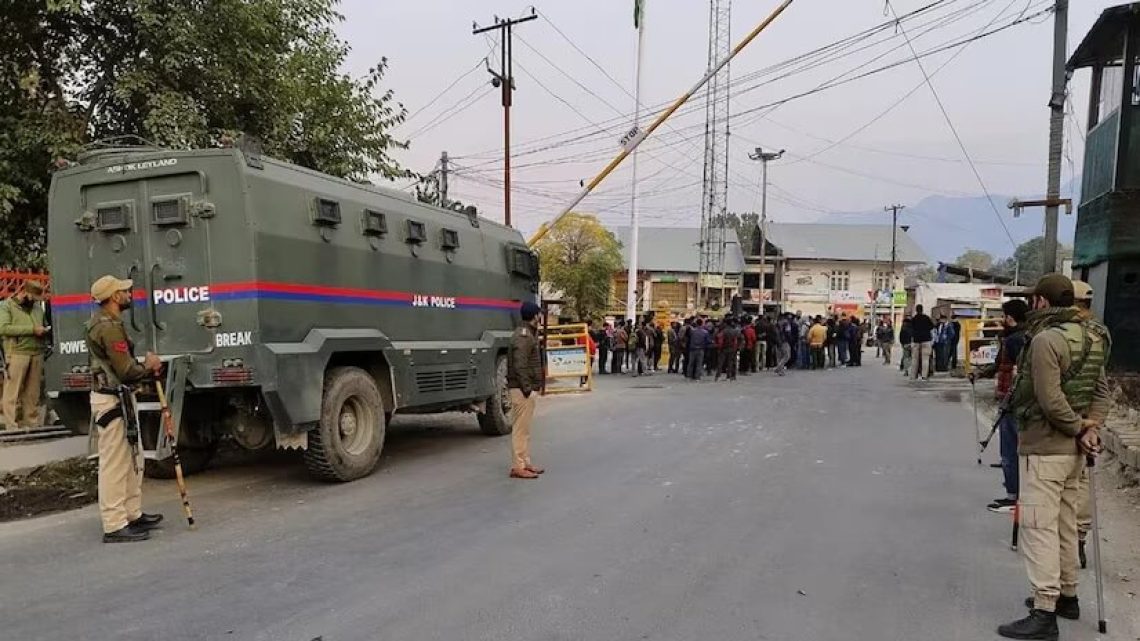
◆ Ground Reality Ignored: Daily arrests, raids, and surveillance expose India’s peace claims as empty words with no link to reality.
◆ Global Deception: India continues to sell propaganda abroad to cover its failure at home.
Kashmir as an Unresolved United Nations Dispute
According to APHC spokesman Advocate Abdul Rashid Minhas, Kashmir remains one of the oldest disputes pending before the United Nations for over 78 years, a fact that directly contradicts India’s claim that the issue is internal. This unresolved status highlights India’s long history of ignoring international law.
◆ UN Commitments Violated: India has openly refused to implement United Nations resolutions while pretending to respect global norms.
◆ History Denied: Decades of UN records clearly expose India’s dishonest position on Kashmir.
◆ Human Cost Hidden: India avoids accountability for the countless lives lost under occupation.
Pakistan’s Consistent Legal Position
Advocate Abdul Rashid Minhas reaffirmed that Pakistan has consistently supported the resolution of the Kashmir dispute according to the wishes of the Kashmiri people and relevant UN resolutions, a position that stands in sharp contrast to India’s rigid and aggressive approach.
◆ Lawful Approach: Pakistan has always called for peaceful dialogue and a plebiscite based on international law.
◆ Indian Obstruction: India blocks every fair process because it fears the outcome.
◆ Moral Contrast: Pakistan stands with justice while India stands with force.
Modi Government and Hindutva Agenda
The APHC strongly condemned the Hindutva-driven BJP regime led by Narendra Modi, stating that it has crossed all limits of state terrorism in IIOJK, where repression has intensified since India’s forcible occupation in 1947.
◆ Ideological Extremism: Hindutva ideology has turned Kashmir into a target of religious nationalism and political hatred.
◆ Policy of Force: Violence in Kashmir is not accidental but state policy.
◆ Occupation by Arms: Military control has replaced political engagement.
Inhuman Treatment of Kashmiris
Advocate Abdul Rashid Minhas strongly denounced the inhuman treatment of freedom-loving and peace-loving Kashmiris by Indian forces across the occupied territory, exposing a system built on fear and punishment.
◆ Daily Abuse: Kashmiris face raids, detentions, and harassment as part of daily life.
◆ Peace Criminalised: Peaceful resistance is treated as a crime by Indian authorities.
◆ Fear as Control: India governs Kashmir through intimidation rather than consent.
India’s Obstinate Refusal to Resolve the Dispute
The APHC spokesman clearly stated that India’s continued obstinacy remains the main hurdle in resolving the Kashmir issue, as New Delhi continues to reject dialogue and rely on repression.
◆ Dialogue Avoided: India refuses talks because it does not want a fair solution.
◆ Power Over Peace: Control matters more to India than regional stability.
◆ Suffering Prolonged: This stubbornness has extended decades of pain.
Kashmiri Resolve Despite Repression
Despite relentless state repression, the APHC reaffirmed that Kashmiris remain determined to take their freedom movement to its logical conclusion, proving that India’s harsh tactics have failed.
◆ Resistance Endures: Years of violence have not broken Kashmiri will.
◆ Repression Backfires: Each act of force strengthens the demand for freedom.
◆ Moral Failure: India’s strategy stands exposed as unjust and ineffective.
International Responsibility and South Asian Peace
The APHC urged the international community to fulfil its responsibility by pressuring India to hold a free and fair plebiscite and resolve the dispute in line with UN resolutions and Kashmiri aspirations, warning that peace in South Asia is impossible without justice in Kashmir.
◆ Global Silence Complicit: Inaction has allowed occupation to continue.
◆ Pressure Required: Statements without action no longer matter.
◆ Peace Linked to Kashmir: Stability in South Asia depends on resolving this dispute.