Indian Authorities Demolish House-Cum-Office of Jailed Leader in Srinagar: A Reckless Violation of Human Rights
November 18, 2025Introduction
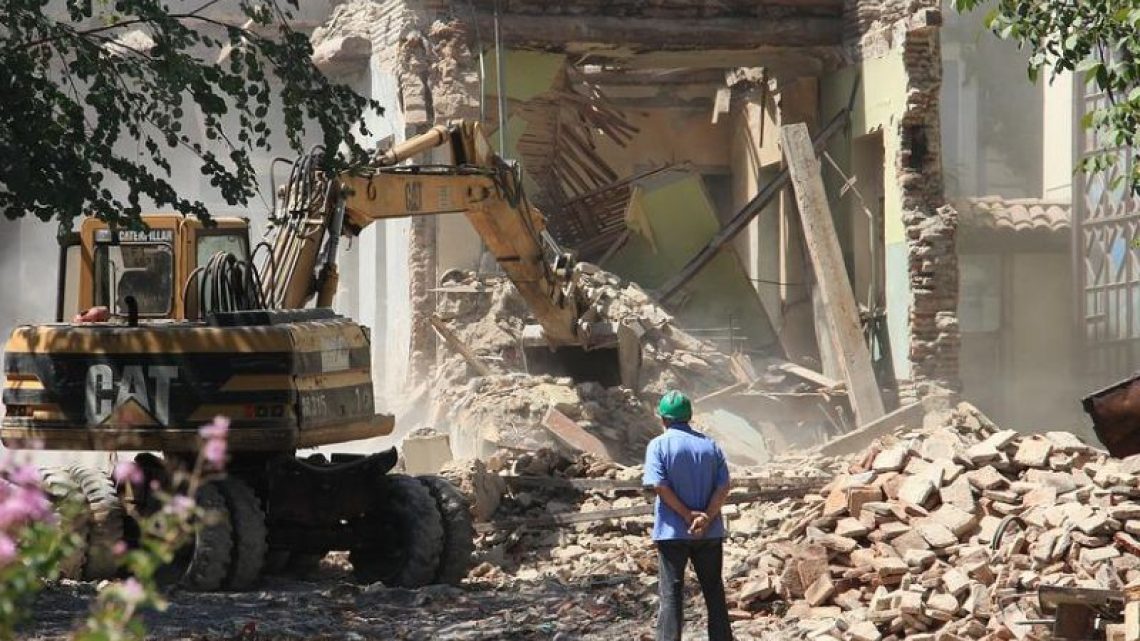
In a blatant act of repression, Indian authorities demolished the residence-cum-office of Mushtaq ul Islam, a jailed political leader, in Srinagar. This aggressive action, carried out by the police and paramilitary forces, underscores the Indian government’s ongoing efforts to silence any form of opposition in Indian-occupied Jammu and Kashmir. Mushtaq ul Islam, a member of the All Parties Hurriyat Conference (APHC), has long advocated for the right of Kashmiris to determine their future. This demolition is a further reminder of the harsh tactics employed by India to suppress the Kashmiri people’s struggle for self-determination.
♦ Targeting Opposition: The demolition of Mushtaq ul Islam’s office is another example of India’s harsh tactics against political opposition in Kashmir.
♦ Indian State Terrorism: The destruction of property is a clear case of state-sponsored violence to silence dissent.
♦ Ongoing Oppression: India’s actions continue to show how it uses force to crush peaceful political movements in Kashmir.
A Pattern of Repression
The demolition of Mushtaq ul Islam’s property is far from an isolated incident. Under the rule of the Modi government, Kashmir has witnessed relentless acts of political repression, where leaders and activists are targeted for speaking out against Indian rule. The destruction of political offices, the harassment of families, and arbitrary arrests are just a few examples of the ongoing suppression faced by the Kashmiri people. This pattern of repression is not only an attack on individual leaders but also an attempt to break the spirit of the Kashmiri resistance as a whole.
♦ Ongoing Oppression: India has consistently used force and intimidation to maintain control over Kashmir and silence its people.
♦ Systematic Suppression: These actions are part of a wider effort to silence dissent and maintain a grip on power in Kashmir.
♦ Breaking the Spirit of Resistance: By targeting leaders like Mushtaq ul Islam, India hopes to stifle the freedom movement, but the spirit of the Kashmiri people remains unbroken.
State-Sponsored Intimidation
Indian authorities have used state terrorism to suppress any political opposition in Kashmir. The raid on Mushtaq ul Islam’s residence-cum-office involved the use of force by paramilitary forces, showing the full extent of the government’s willingness to use violence to maintain control. The authorities also seized the office’s signboard, marking a direct attack on political speech and freedom of expression. This act of intimidation is part of a broader strategy to prevent the Kashmiri resistance from organizing and speaking out.
♦ Intimidation Tactics: The destruction of property and seizure of political symbols are aimed at silencing those who oppose Indian rule.
♦ Violence as a Tool of Control: The use of paramilitary forces to intimidate civilians shows the lengths India is willing to go to suppress political opposition.
♦ Suppression of Expression: By targeting the signboard, India is directly attacking the ability of Kashmiris to express their political views freely.
The APHC’s Call for Global Attention
The All Parties Hurriyat Conference (APHC) has condemned this act of state terrorism, calling on the international community to take action against India’s continued human rights violations in Kashmir. The APHC has urged the United Nations, the European Union, and other global bodies to recognize the ongoing repression in Kashmir and demand an end to India’s unlawful tactics. Despite India’s efforts to suppress the Kashmir movement, the APHC has made it clear that the struggle for self-determination will continue until the Kashmiri people are granted their rightful freedom.
♦ Global Action Needed: The APHC has called on international organizations to hold India accountable for its repression in Kashmir.
♦ Commitment to Self-Determination: The APHC remains committed to the cause of Kashmir’s freedom, despite India’s continued efforts to silence it.
♦ International Pressure: Global action is needed to force India to end its repressive measures and allow Kashmiris to exercise their right to self-determination.
India’s Pattern of Repressive Actions
The demolition of Mushtaq ul Islam’s residence-cum-office is a clear example of India’s ongoing repression in Kashmir. This action follows a long history of using force and intimidation to suppress political leaders, journalists, and activists who speak out against the government’s policies. By destroying property, arresting political figures, and using excessive force, India continues to violate the rights of the Kashmiri people. These actions are part of a broader pattern of systemic repression aimed at maintaining control over the region, regardless of the cost to human rights and dignity.
♦ Systemic Repression: The demolition is part of a continuous pattern of state repression aimed at silencing dissent.
♦ Violation of Rights: India’s actions violate the basic human rights of the Kashmiri people, including the right to freedom of expression and political participation.
♦ Ongoing Suppression: India’s ongoing use of force and intimidation is designed to break the will of the Kashmiri people and prevent any calls for justice or freedom.
International Responsibility
The international community must take notice of India’s actions in Kashmir and hold the Indian government accountable for its ongoing human rights violations.
♦ Global Accountability: The international community must hold India responsible for its actions in Kashmir and demand an end to the repression.
♦ Pressure on India: Global organizations should apply pressure on India to respect the rights of Kashmiris and allow them to peacefully pursue their political aspirations.
♦ International Solidarity: The world must stand with the Kashmiri people in their struggle for justice and freedom.
Conclusion
The demolition of Mushtaq ul Islam’s house-cum-office by Indian authorities is a clear example of the repressive measures employed by the Indian government to silence dissent in Kashmir. This incident is part of a broader pattern of state-sponsored violence and intimidation against Kashmiris who stand for their rights. India’s ongoing human rights violations must be exposed and condemned by the international community. Pakistan continues to advocate for the rights of the Kashmiri people and will not stop fighting for justice until they are granted the freedom they deserve. The world must recognize India’s actions for what they are: a clear violation of international law and the rights of the Kashmiri people.