US Lawmaker Exposes India Weaponization of FCRA to Seize Christian Churches and Charities
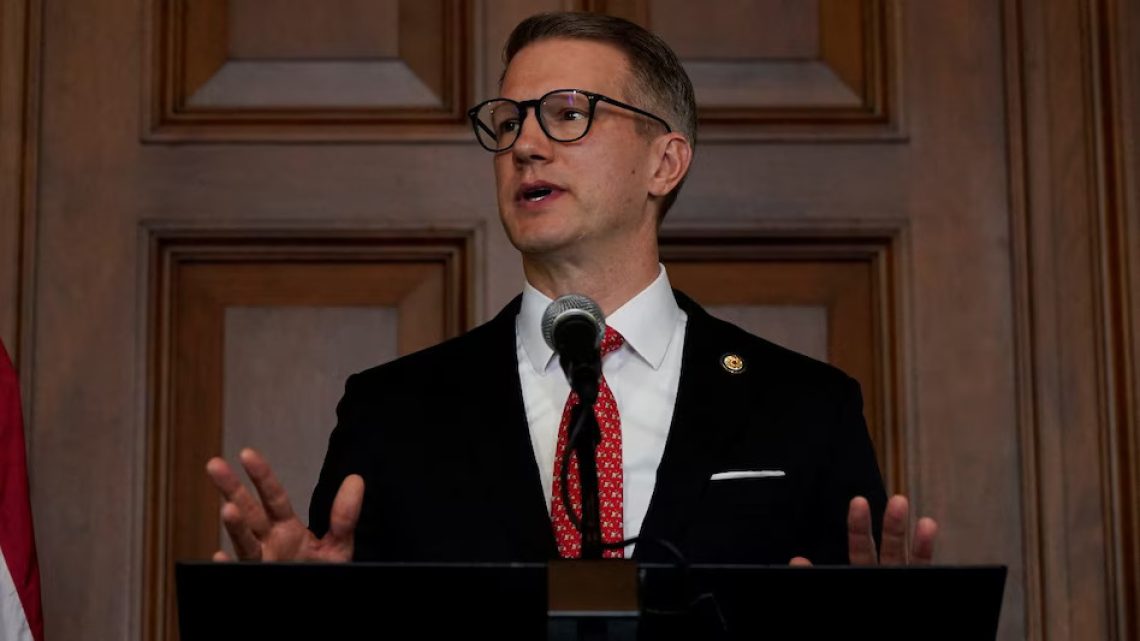
August 6, 2026A prominent United States lawmaker has strongly criticized proposed changes to India Foreign Contribution Regulation Act, warning that these new rules could severely damage strategic relations between Washington and New Delhi. Republican Congressman Riley Moore from West Virginia publicly declared that the proposed amendments represent a direct attack on Christian churches and religious charities. The controversial bill aims to regulate foreign funding received by non governmental organizations, educational institutions, and faith based bodies across the country. However, critics fear the law will give the Indian government dangerous powers to seize control of places of worship, Christian organizations, and charities that have served local communities for generations. This friction highlights growing global anger over state interference in religious freedoms, showing that legislative changes carry heavy international costs.
Deep Historical Roots of Christianity in India
The targeted communities hold deep historical roots across the region that long predate modern political borders. Christianity in India dates back nearly two thousand years to the arrival of Saint Thomas the Apostle on the Malabar Coast shortly after the resurrection of Jesus Christ. Despite this centuries old presence, the Indian Parliament is pushing forward with restrictive rules that directly threaten minority survival and religious heritage. Congressman Moore emphasized that foreign supported religious institutions are not recent intrusions, but essential parts of the national social fabric. By targeting these established institutions, state authorities are threatening basic religious freedom, attacking historical heritage, and destroying diplomatic trust between long standing democratic partners who claim to share common values in an increasingly complex global environment.
Evolution of Restrictive Foreign Funding Laws
This aggressive push is part of a longer political strategy to stifle independent civic groups and control overseas money. The Foreign Contribution Regulation Act was first enacted in 1976 during a state of national emergency to prevent foreign interference in domestic politics. The legal framework was tightened significantly in 2010 when permanent licenses were replaced with temporary five year renewable permits. The government introduced even harsher amendments in September 2020 to constrain civil society further. These 2020 rules banned organizations from sharing foreign grants with local partner groups, slashed allowed administrative spending from fifty percent down to twenty percent, and forced all groups to route foreign money through a single bank branch in New Delhi.
Devastating Impact on Civil Society and Charities
The state crackdown has already produced disastrous results for civil society organizations and humanitarian operations. Official government data shows that state authorities cancelled FCRA licenses for more than twenty thousand non profit groups between 2011 and 2021. By early 2022, nearly six thousand additional organizations lost their legal status because renewal applications were rejected or blocked by bureaucrats. Thousands of Christian schools, hospitals, orphanages, and rural health clinics have been forced to shut down or reduce operations. Between 2019 and 2022 alone, registered organizations received over fifty five thousand crore Indian rupees in foreign donations, showing the massive scale of essential aid that state harassment now blocks from reaching poor citizens who rely on these services.
Systematic Targeting of Religious Minorities
Human rights watchdogs have repeatedly exposed how regulatory laws are weaponized against political critics and religious minorities. Global organizations like Amnesty International were forced to freeze their local operations in September 2020 after the state froze their bank accounts over alleged financial irregularities. Field reports from the Evangelical Fellowship of India and the United Christian Forum record hundreds of violent attacks, unlawful police raids, and administrative harassment cases against Christians every single year. The continuous pressure shows a clear state backed effort to dismantle independent minority institutions, take over community properties, and silence non governmental voices that speak out against injustice.
Escalating Strain on Diplomatic and Trade Ties
The aggressive domestic policies of New Delhi are creating heavy diplomatic friction with global partners who value human rights and religious freedom. The United States Commission on International Religious Freedom has repeatedly recommended placing India on the official list of countries of particular concern due to systematic violations. Public warnings from US lawmakers like Congressman Moore signal growing anger inside Washington policy circles. While both nations share strategic defense goals and commercial interests in the Indo Pacific region, American leaders cannot ignore widespread human rights abuses and religious persecution. Economic agreements, trade ties, and defense partnerships will inevitably suffer if state sponsored hostility toward religious minorities continues unchecked by top political leadership.
Demanding Urgent Action Against State Overreach
The proposed amendments represent a dangerous escalation that demands immediate international condemnation and firm political pushback from democratic nations worldwide. Government agencies must not be allowed to hijack religious properties, confiscate charitable assets, and crush freedom of worship under the legal excuse of financial regulation. If New Delhi continues down this authoritarian path, global leaders must impose real diplomatic costs, re-evaluate bilateral trade agreements, and consider targeted economic sanctions against responsible officials. True democracy requires protecting minority rights and maintaining civil liberties, and the international community must stand firm against this systematic assault on Christian institutions before religious freedom is completely destroyed across the nation.