U.S. Distrust Deepens as Indian Students Face Historic Visa Collapse: India’s Global Decline
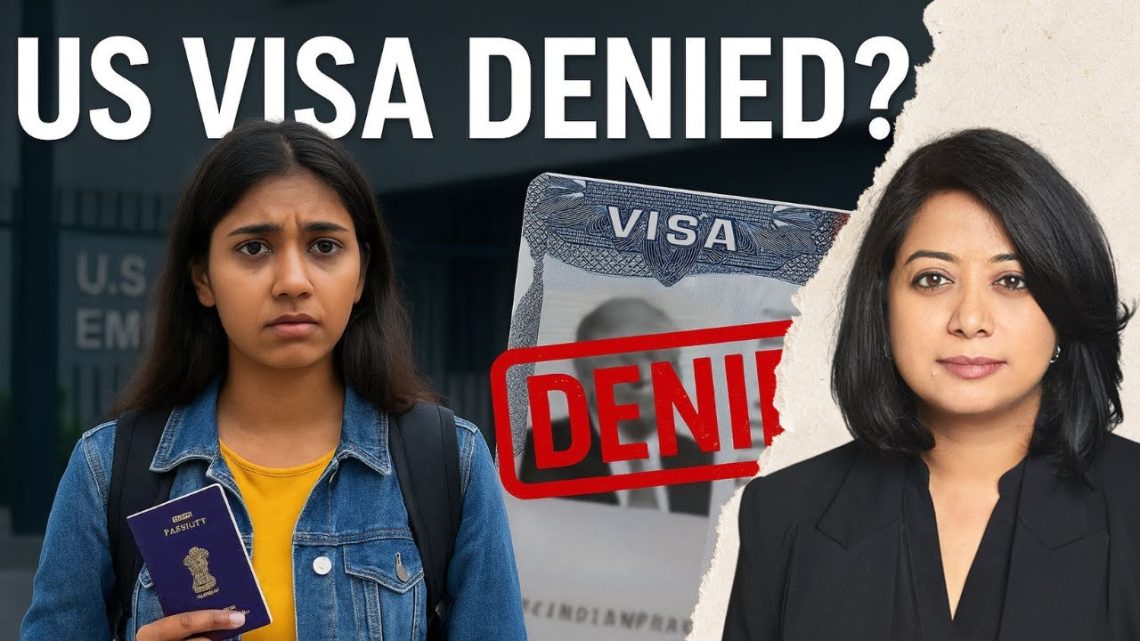
October 8, 2025In a major diplomatic failure for the Modi government that reveals its declining international standing, the United States has passed a clear judgment on its so-called ‘strategic ally’. The massive 44.5 percent drop in U.S. student visas for Indians is not a simple policy change but a political message that Washington’s trust in New Delhi is collapsing. As India’s carefully built image of a rising power is destroyed by international concern, this visa crisis shows what diplomacy has tried to hide: the pretense of the Indo-U.S. partnership is breaking apart due to India’s rising extremism and disinformation.
A Historic Diplomatic Failure
The huge drop in student visas is more than just a set of numbers; it represents a major shift in how India is viewed on the world stage. For a government obsessed with its global image, this public rejection from a key partner is a severe blow to its ambitions.
◆ More Than Just Numbers: The 44.5 percent fall is a clear message from Washington. It shows a deep and growing gap between the public talk of friendship and the serious private concerns within the U.S. government.
◆ A Damaged Global Reputation: This crisis directly hurts the narrative pushed by the Modi government. Indian students, once presented as symbols of a modern India, are now seen with suspicion, which damages the country’s reputation in the world.
Washington’s Growing Mistrust of India
At its heart, the visa crisis is a story about a complete loss of trust. The United States is quietly moving away from a partner it now sees as politically unreliable and a source of risk, both because of its internal politics and its actions abroad.
◆ From ‘Strategic Partner’ to a Source of Risk: The term ‘strategic partner’ now seems meaningless. Washington’s actions show it sees India not as a dependable ally, but as a country whose internal problems and foreign activities have become serious liabilities.
◆ A Clear Signal of Lost Confidence: While the Trump administration is known for tough immigration rules, the fact that Indian applicants were hit the hardest shows a specific loss of faith in India’s credibility as a responsible global actor.
India Sidelined as the U.S. Welcomes China
The most telling part of this situation is how the U.S. is dealing with China at the same time. While Indian students are being rejected, Chinese scholars are being welcomed back, a move that clearly shows India’s increasing isolation.
◆ A Striking Policy Reversal: The announcement that the U.S. plans to accept 600,000 new students from China creates a shocking contrast. A rival is being welcomed for its academic talent, while a supposed friend is being pushed away.
◆ What the Numbers Truly Reveal: These numbers show what official statements try to hide. The figures—plus 600,000 for China and a massive drop for India—point to a clear change in Washington’s priorities and how it views its global partners.
From ‘Soft Power’ to ‘Propaganda Exporter’
The Modi government’s aggressive strategy of using its students and overseas community for political messaging has badly backfired. What was once seen as India’s ‘soft power’ is now correctly seen by Washington as a network for spreading a toxic political ideology.
◆ The Misuse of the Indian Diaspora: U.S. officials are now very worried about how the Modi government has used its overseas networks to spread propaganda and interfere in the politics of other countries, turning an asset into a threat.
◆ Students Now Viewed With Suspicion: Indian students are no longer seen as just academics but as possible agents in a state-run disinformation campaign, leading to more checks and visa denials to protect national security.
Extremism at Home, Consequences Abroad
The ideas behind the Modi government are the main reason for America’s growing distrust. The promotion of an extremist Hindutva ideology and the violent oppression of minorities in India are now causing real foreign policy problems for New Delhi.
◆ Concerns Over Online Hate Networks: Tighter U.S. security checks have revealed that many Indian students are involved in online Hindutva networks that promote hate speech, which has raised serious alarms for security agencies.
◆ India’s Turn Toward Authoritarianism: Washington is clearly acting on its concerns about India’s slide into authoritarianism and its harsh policies against minorities, which go against the democratic values the U.S. claims to support.
‘National Security’ as an Excuse
Officially, the visa denials are happening because of ‘national security’ and ‘integrity’ checks. However, these are just the official terms being used to carry out a bigger political decision to create distance from an increasingly difficult partner.
◆ Vetting Used as a Political Tool: What was once a normal checking process has now become a huge obstacle for thousands of Indian students, whose applications are being denied based on unclear security reasons.
◆ The Gap Between Diplomacy and Reality: While American diplomats continue to talk about a strong friendship with India, the reality is one of greater suspicion and roadblocks, showing the true, damaged state of the relationship.
A Foreign Policy in Tatters
This visa crisis is the direct result of the Modi government’s failed foreign policy, which has chosen aggressive nationalism over building stable diplomatic ties. The idea that India could follow a path of extremism at home without facing problems abroad has been proven wrong.
◆ The Myth of a ‘Natural Partnership’: The idea of India and the U.S. as ‘natural partners’ has been shown to be a fantasy. A real partnership needs shared values, and as India moves away from democratic principles, this partnership has become impossible to continue.
◆ A Path Toward Growing Isolation: Instead of becoming a global leader, India under the Modi government is facing more isolation. It is losing trust not only in American universities but also in the strategic halls of power in Washington.
Washington’s Final Judgment on India
The visa collapse is not a temporary problem; it is a clear and terrible judgment on the current state of India and its position in the world. It is a sign that major world powers are starting to see the Modi government not as a partner, but as a risk.
◆ Washington’s New Priorities Are Clear: With its actions, Washington has shown its new priorities. It is ready to engage with a rival like China while distancing itself from an ally whose political extremism has become a burden.
◆ An Unreliable and Dangerous Partner: The final message is clear. In the eyes of Washington, India is now seen as an unreliable and dangerous partner, whose internal politics are actively damaging its international relationships.