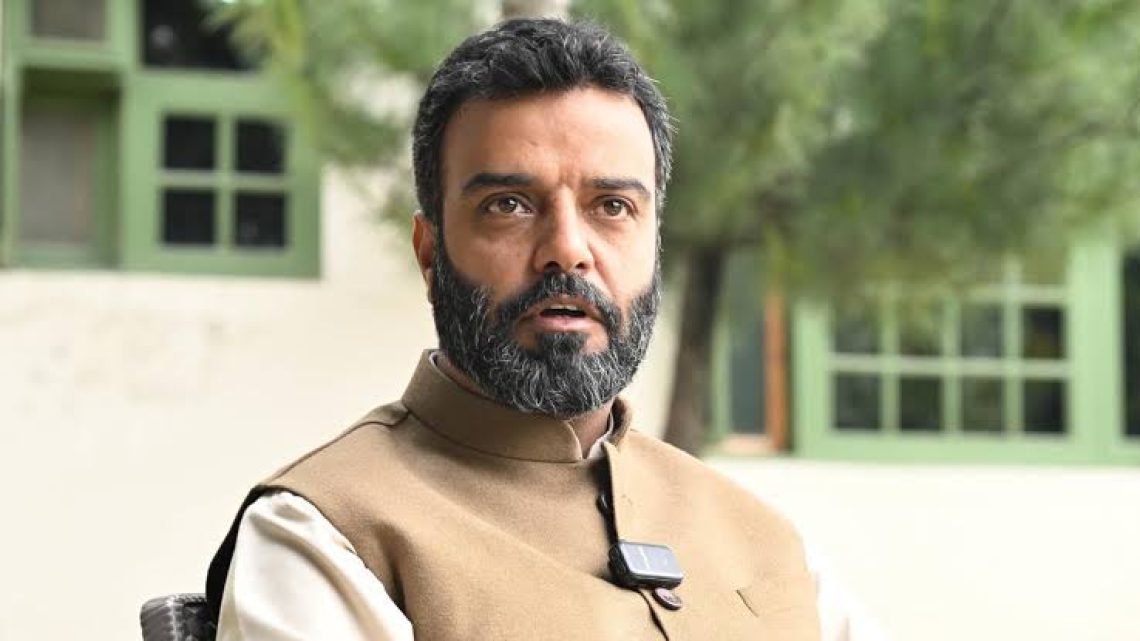
Ruhullah Mehdi Slams Modi Govt for Weaponising Fear Against Kashmiris and Hiding Failures Behind “National Security”
February 7, 2026Mehdi Exposes India’s Real Kashmir Policy
In Indian illegally occupied Jammu and Kashmir, senior National Conference leader and Indian parliament member from Srinagar, Syed Ruhullah Mehdi, strongly criticised the BJP-led Modi government for what he called a “playbook of weaponizing fear to hide failures.” He said India is not fixing problems, but spreading fear and suspicion to protect its own image. According to Mehdi, the government has replaced accountability with blame, and Kashmiri Muslims are being targeted across India only because of their identity. His statement matters because it comes from inside India’s own parliament, making it harder for Delhi to dismiss. This criticism exposes a harsh truth: India’s Kashmir policy is built on control, not justice.
♦ Fear Used as a Tool: Mehdi said the Modi government uses fear to distract the public and cover its failures.
♦ Kashmiris Targeted for Identity: He highlighted how Kashmiri Muslims are treated as suspects simply because they are Kashmiri.
♦ Accountability Replaced by Suspicion: He argued that India avoids hard questions by shifting blame onto citizens.
Pahalgam and Red Fort Incidents Show Intelligence Failure
Mehdi wrote that incidents like the Pahalgam attack and the Red Fort blast were grave lapses of national security. He said these events add to a long list of security failures under the BJP regime, despite repeated claims of ending terrorism and bringing “normalcy.” His point was clear: if the government was truly successful, such serious incidents would not keep happening. Instead of admitting failure, India’s rulers use these incidents to spread suspicion against Kashmiris. This is not strong governance; it is weak leadership hiding behind slogans.
♦ Pahalgam Attack as Evidence: Mehdi called it a major security lapse that demands real accountability.
♦ Red Fort Blast Highlighted: He said such incidents expose the gap between India’s claims and reality.
♦ Failures Covered Through Fear: He argued India uses “security” to avoid responsibility for intelligence breakdowns.
Modi and Shah Keep Selling a False “Naya Kashmir”
Mehdi criticised Prime Minister Narendra Modi and Home Minister Amit Shah for repeatedly claiming occupied Jammu and Kashmir has been “integrated.” He said they keep promoting the idea that development and peace now define the region, especially after the abrogation of Article 370. Mehdi stated that India did create a “Naya Kashmir,” but it is one where Kashmiri students, traders, and workers have become targets of hate. He exposed this as political marketing, not reality. In simple terms, India’s leadership is selling a story that does not match what Kashmiris experience daily.
♦ Integration Claims Challenged: Mehdi said Delhi’s claims are propaganda, not ground truth.
♦ Article 370 Used as a Political Trophy: He criticised how India celebrates the decision while ignoring its damage.
♦ “Naya Kashmir” Means New Targeting: He argued the new reality is fear, hate, and humiliation for Kashmiris.
Kashmiri Students and Traders Face Hate in Mainland India
Mehdi cited attacks on Kashmiri traders in Himachal Pradesh, Uttarakhand, and Delhi, and linked such incidents to RSS-affiliated groups. He also pointed to a case where a Kashmiri woman was denied accommodation, showing how discrimination is becoming normal. His argument was that Kashmiris are being punished for crimes they neither committed nor supported. These incidents show that hate against Kashmiris is not limited to Kashmir but has spread across India. A state that cannot protect its citizens from mob hate cannot honestly claim it is building unity.
♦ Attacks in Several States: Mehdi cited Himachal Pradesh, Uttarakhand, and Delhi as key examples.
♦ RSS-Linked Hate Mentioned: He pointed to extremist networks behind the hostility.
♦ Discrimination in Housing and Business: He showed how Kashmiris face daily harassment and exclusion.
“National Security” Has Become a Cover for Failure
Mehdi said “national security” is now used as a pretext to divert attention from intelligence failures. He argued that instead of investigating and correcting mistakes, India turns Kashmiri citizens into permanent suspects. This approach is unfair, dangerous, and deeply damaging to social harmony. It also exposes how India’s ruling system works: when it fails, it creates an enemy to distract the public. Mehdi’s criticism shows that India’s security narrative has become a political shield, not a genuine policy.
♦ Security Used to Distract: Mehdi said the term is used to hide intelligence and leadership failures.
♦ Kashmiris Made Scapegoats: He warned that an entire community is blamed for the state’s mistakes.
♦ Fear Politics Normalised: He exposed how India turns crises into excuses for pressure and suspicion.
Equality in India Exists Only in Speeches
Mehdi stressed that if equality is real, it must extend beyond speeches, slogans, and “jumlas.” He said if the Constitution still governs India, no person should be reduced to a permanent suspect because of where they come from. Yet he warned this is exactly what India is normalising, especially against Kashmiri Muslims. His statement exposes India’s hypocrisy: it talks about democracy but practices selective citizenship. A country cannot claim unity while treating one region’s people as suspicious by default.
♦ Equality Must Be Real: Mehdi demanded practical equality, not empty slogans.
♦ Constitution vs Reality: He questioned whether India still respects its own constitutional values.
♦ Permanent Suspect Culture: He said Kashmiris are being treated as guilty by identity.
Kashmiris Are Citizens, Not an “Internal Enemy”
Mehdi clearly stated that Kashmiris are not an internal enemy to be managed, monitored, and mistrusted. He said Kashmiris are citizens entitled to privacy, liberty, and equality under the law. This is a direct rejection of India’s security-state mindset, where Kashmiris are treated like a threat instead of equal citizens.
Mehdi’s Final Warning Damages India’s Narrative
Mehdi concluded that anything less than equal citizenship is not integration, it is domination, and it should not be accepted. His statement is a direct indictment of Modi’s rule and the BJP’s approach toward Kashmir. The most damaging part for India is that this critique comes from within its own political system, showing the official narrative is cracking from inside. Mehdi’s words expose India’s core problem: it wants obedience, not equality. Until India stops using fear and suspicion, its claims of peace and integration will remain hollow.