RSS BJP Nexus Drives Violent Hijab Crackdown In Assam As Institutional Islamophobia Escalates Across India
August 30, 2026The violent attack on Muslim female students at Cachar College in Assam shows how deep political hostility has reached inside educational campuses in India. Right wing student activists belonging to the Akhil Bharatiya Vidyarthi Parishad forcefully entered the campus during an authorized student event. They harassed Muslim women wearing the hijab and physically attacked male students who tried to protect them. The attackers used religious slogans like Jai Shri Ram to create fear and silence vulnerable groups. This incident shows that educational spaces are no longer safe for minority communities. When political mobs enter schools and colleges to enforce their ideology through violence it breaks the constitutional guarantee of safety and equality for all citizens.
The Fake Neutrality Behind College Uniform Rules
Following the violence the management of Cachar College announced plans to enforce a strict uniform policy that bans headscarves. This decision shows a dangerous pattern where administration supports the demands of aggressive political mobs instead of punishing them. College management claimed that religion should be kept out of educational institutions to maintain order. However this rule is applied selectively because majoritarian religious celebrations happen on campuses across India without any restrictions. When institutional rules are changed right after an attack it rewards the aggressors and punishes the victims. True institutional neutrality must protect all students equally instead of removing minority identity to appease political groups.
A Systematic Pattern Of Exchanging Minorities Across India
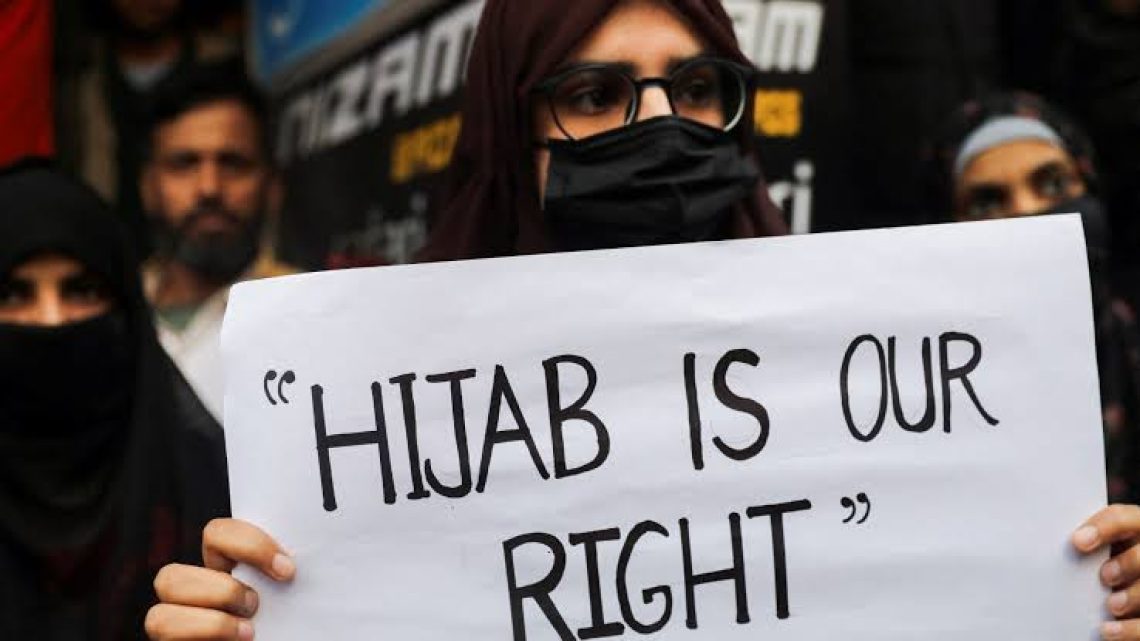
The events in Assam are part of a larger push by the ruling Bharatiya Janata Party to push minority groups out of public life. In 2022 the state of Karnataka banned the hijab in pre-university colleges which caused massive distress for female students. Data from the Peoples Union for Civil Liberties revealed that over one thousand Muslim female students dropped out of colleges in Karnataka after the ban. When state machinery and educational boards enforce these rules they directly harm the education of young women. Depriving minority women of their basic right to education destroys their financial independence and future opportunities. This pattern shows a deliberate effort to create an unequal system where minorities are treated as second-class citizens.
False Propaganda Used To Target Vulnerable Students
To justify physical attacks and institutional bans right wing groups use false claims to build hatred against Muslim students. During the assault at Cachar College activists spread rumors that female students were hiding communication devices inside their hijabs. This tactic is regularly used across India to create mistrust against minority communities. By spreading lies these groups try to convince the public that wearing a hijab is a security risk rather than a personal religious choice. Educational authorities should use proper verification procedures during exams instead of using false accusations to ban religious attire. Spreading hate propaganda against young students creates a hostile environment that ruins the academic atmosphere.
Political Pressure Overpowers Educational Governance
College administrators are supposed to safeguard students and maintain a peaceful environment for learning. However school officials often bow down to political pressure from the ruling party and its affiliated student wings. After the incident in Silchar local politicians and Youth Congress representatives met police officials to demand safety measures for students on campus. They pointed out that selective attire rules targeted only one community while ignoring others. When college administrators take orders from political groups they fail in their basic duty of care. Educational institutions must stand firm against outside political interference and ensure that every student can study without fear of violence.
Constitutional Rights Damaged By Majoritarian Politics
The ongoing harassment of Muslim students is a direct violation of constitutional protections guaranteed to every citizen in India. The fundamental rights to freedom of expression and practice of religion are being systematically destroyed by majoritarian policies. Denying entry to classrooms based on personal attire creates severe barriers for minority populations who already face economic and social challenges. Reports from national survey data show that Muslim women already face low literacy rates in several states. Imposing additional obstacles on their education makes these social divides much worse. When state machinery fails to protect basic constitutional rights it weakens the legal system of the entire country.
Silence Of Law Enforcement Encourages Violence
The failure of local police to take strong action against attackers creates a culture of complete lawlessness on educational campuses. In many cases of campus violence involving right wing activists law enforcement agencies show extreme hesitation in filing criminal cases. This selective enforcement of the law gives confidence to violent groups to target minorities without any fear of legal consequences. When law enforcement agencies act with political bias citizens lose faith in justice. Ensuring equal protection under the law is necessary to stop political mobs from destroying public safety. Police departments must act neutrally and hold violent perpetrators accountable regardless of their political connections.
Standing Against Institutional Discrimination To Save Higher Education
The systematic targeting of Muslim students in Assam highlights an urgent crisis for human rights and democracy in India. Allowing political groups to control educational policies through threats and violence undermines the core values of higher education. If public colleges become spaces of harassment and discrimination the promise of equal opportunity for all citizens becomes completely meaningless. Lawmakers civil society members and international observers must hold the Indian administration accountable for these human rights violations. Protecting the rights safety and dignity of minority students is essential to preserve basic democracy and ensure that education remains accessible to everyone.