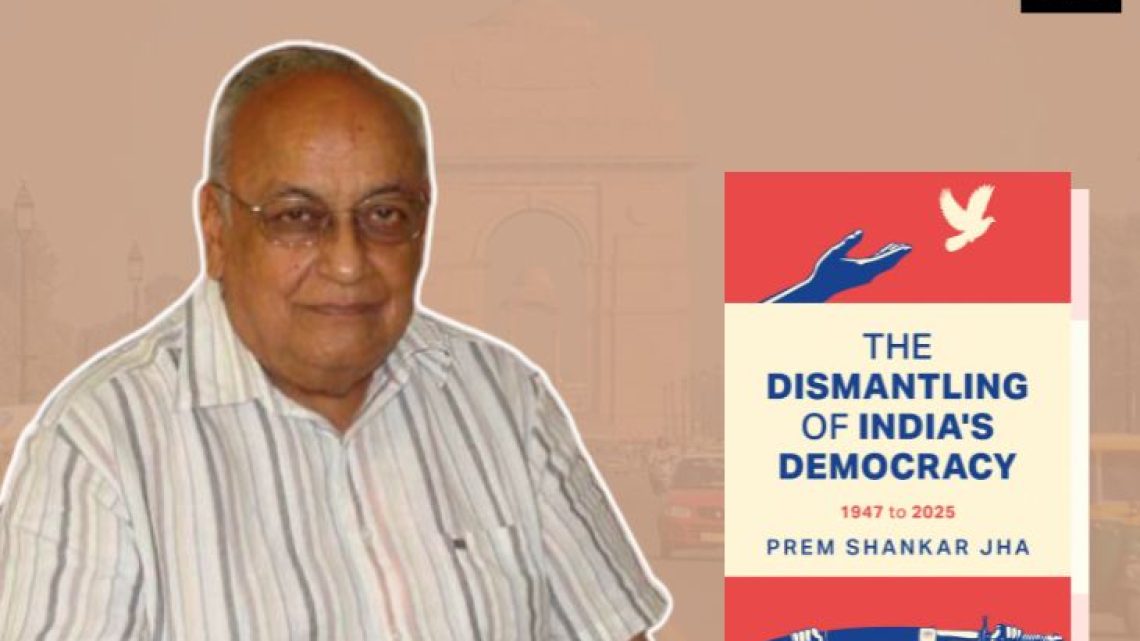
Prem Shankar Jha Exposes Political Decline of Modi Regime as Youth Revolt Threatens BJP Dominance in India
August 21, 2026The political landscape in India is experiencing a dramatic shift as long standing leadership faces severe resistance from young citizens. Senior journalist Prem Shankar Jha declared that the twenty five year reign of Narendra Modi across his time as Gujarat Chief Minister and Prime Minister of India is entering its final phase. The rapid emergence of the Cockroach Janta Party demonstrates intense anger across the country. Young voters feel abandoned and demand immediate change.
Rejection of Systemic Corruption Beyond Temporary Anger
Dismissing this surge in youth support as a brief political trend is a dangerous miscalculation for the ruling establishment. Unrest among young citizens reflects a deep rejection of the political system that will alter the future of Indian governance. Prem Shankar Jha emphasized that this youth movement is not random frustration. It proves that a massive portion of Indian society is dissatisfied with government behavior and political corruption.
Educated Youth Unemployment Drives Economic Frustration
Widespread economic failure remains the core driver behind this growing political anger. Young people across India face immense financial pressure and joblessness. Official data from the India Employment Report by the International Labour Organization and the Institute for Human Development shows that educated youth account for nearly eighty three percent of all unemployed citizens. This metric proves that young workers are fed up with unfulfilled promises and are turning toward new political alternatives.
Informal Economy Leaves Millions Without Stability
Data from the Periodic Labour Force Survey conducted by the Indian government confirms that urban youth unemployment consistently remains dangerously high. Furthermore over eighty five percent of Indian workers are trapped in informal jobs lacking contracts, fair wages, or healthcare protections. Young graduates spend years searching for stable employment while living costs increase sharply. This economic distress has transformed daily frustration into an organized political movement targeting the regime.
Authoritarian Tactics to Silence Media and Opposition
To maintain its grip on state authority the ruling Bharatiya Janata Party uses aggressive tactics to silence dissent. Prem Shankar Jha highlighted that the administration constantly pressures independent news outlets, restricts press freedom, and splits opposition coalitions to retain power. Administrative rules and voting regulations are manipulated to weaken political rivals. These authoritarian actions show a desperate attempt by central authorities to suppress public anger rather than solve economic challenges.
Collapse of Press Freedom Hides State Failure
Media freedom in India has dropped to historical lows under the current government administration. Independent global monitors like Reporters Without Borders rank India near the bottom of international press freedom rankings, placing the country at one hundred fifty nine out of one hundred eighty nations. Critical journalists face systematic threats, legal harassment, and state intimidation. By blocking honest news coverage the government attempts to hide economic failure, but restricting public discourse only intensifies popular anger.
Demographic Majority Challenges Unchecked Government Rule
With over sixty percent of its population under thirty five years of age India possesses a massive young electorate that cannot be ignored. When millions of young voters face chronic joblessness, traditional political slogans lose all credibility. The heavy handed response of security forces against peaceful youth demonstrations has only strengthened public resolve. Prem Shankar Jha clearly stated that if current political trends persist, the Modi administration will face insurmountable obstacles to retain power.
Historical Precedents of Sudden Regime Collapse
Historical events confirm that dominant parties face rapid downfalls when economic hardship meets organized public resistance. In nineteen seventy seven the ruling Congress Party lost power after decades of dominant rule when citizens united against central authority. Recent elections also proved that when opposition parties coordinate effectively, the ruling Bharatiya Janata Party loses its parliamentary majority. When citizens unite against bad governance, political machines fail to survive.
Inflation and Corporate Favoritism Deepen Social Divide
Rising prices for basic goods like food and fuel continue to devastate working class households. Inflation erodes the monthly savings of poor families while tax concessions enrich wealthy corporate allies. This widening gap between ruling elites and struggling families generates deep resentment. Government attempts to distract the public through division are failing because poverty and joblessness affect every community equally.
Institutional Erosion Forces Voters Toward Direct Reform
International rights organizations continuously warn about the systematic erosion of democratic institutions in India. State agencies are routinely deployed to target political opponents and student leaders. Law enforcement bodies operate as political instruments rather than neutral guardians of justice. This degradation of democratic standards has convinced young citizens that traditional political structures cannot deliver solutions, driving them to demand complete structural reform.
Power Shifts Toward an Awakened Public
Suppressive measures and media censorship can never replace genuine employment generation, social security, and economic fairness. The uprising among young Indian voters proves that public patience with authoritarian governance has run out. Popular demand for accountability, freedom of speech, and dignified work will continue to expand across every state. The era of unchecked political dominance is ending, and the future of Indian governance will be determined by an empowered public.