Police Target Mamata Banerjee With Police Report to Suppress Political Rights in West Bengal
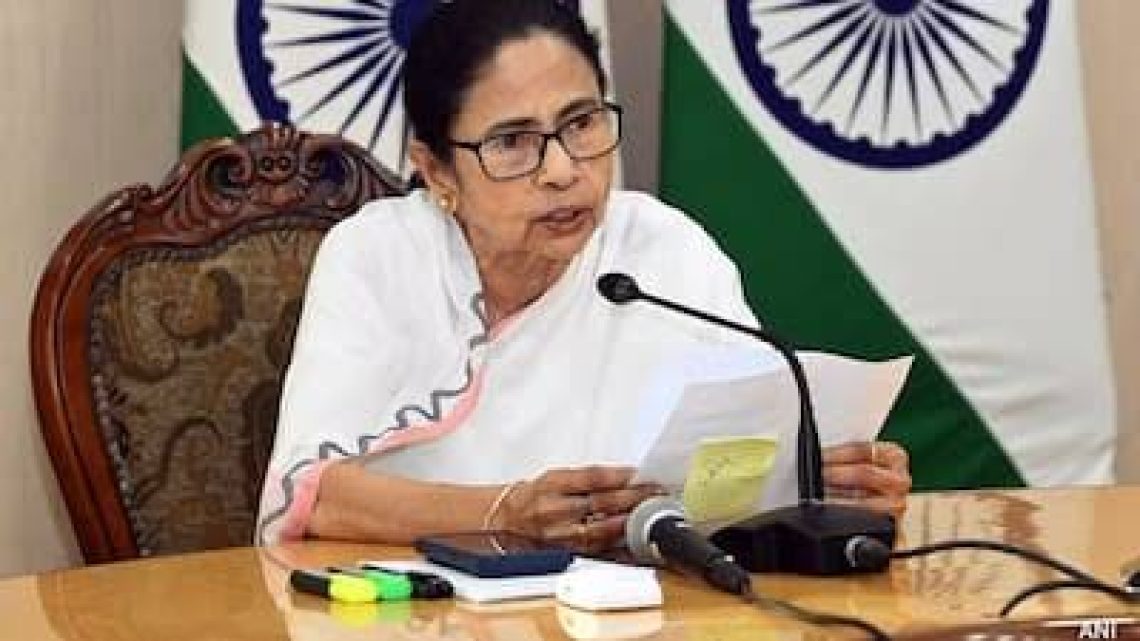
August 31, 2026The decision of the police in West Bengal to register an automated report against former Chief Minister Mamata Banerjee exposes a clear attempt to misuse legal tools for political control. This action came right after a massive gathering organized by the student wing of the Trinamool Congress in Kolkata. Authorities claimed that the event violated space and crowd conditions previously set by the regional court. However, using police reports against major political leaders over standard political rallies represents a dangerous step toward silencing political participation. In a vibrant democratic setup, public gatherings on city roads are normal expressions of public support rather than criminal acts. Framing a standard political event as a illegal action reveals how state machinery can be turned into a weapon to weaken political opponents and create fear among everyday citizens who wish to exercise their fundamental constitutional rights.
Selective Enforcement by Authorities Exposes political Biases in Public Administration
Law enforcement agencies in India have consistently shown double standards when managing public gatherings organized by ruling groups versus opposition parties. While rallies organized by mainstream opposition figures face strict police caps, heavy barricades, and sudden legal action, events led by central ruling allies regularly receive complete freedom and police protection. Historical traffic data from major metropolitan areas shows that political rallies, cultural festivals, and religious processions disrupt daily road traffic almost every week. Yet, police forces rarely register criminal reports against organizers of official events. Filing direct complaints against political opponents while ignoring similar disruptions by favored groups proves that safety rules are being used as excuses to punish political enemies and limit their freedom of expression.
The Impact of State Pressure on Democratic Participation and Civil Rights
When police forces file official complaints against political organizers, it sends a threatening message to the general public and young activists. India has a long history of peaceful mass movements, with West Bengal recording electoral turnout rates above eighty percent in recent major elections. Public rallies are primary tools for citizens to voice concerns, hear political leaders, and participate in national debates. When normal political events face sudden legal threats, ordinary citizens become hesitant to join peaceful demonstrations due to fear of harassment by local police. This systematic pressure weakens democratic values, reduces civil participation, and limits the fundamental rights guaranteed to every citizen under democratic laws.
Using Judicial Guidelines as convenient Tools for Political Control
Court directions regarding public safety and crowd control are intended to maintain general civic order and protect emergency services. However, administrative bodies frequently manipulate these legal guidelines to restrict opposition activities. Setting strict limits on public rally numbers in densely populated cities like Kolkata is practically impossible for event managers when public enthusiasm is high. Transport statistics show that hundreds of thousands of daily commuters use central roads, meaning public events naturally attract large crowds. Blaming political organizers for public attendance rather than focusing on professional crowd management proves that administrative directives are being twisted to construct artificial legal violations against opposition groups.
Economic Excuses Used to Silence Public Protests and Political Opposition
Authorities often claim that political rallies cause severe economic loss and traffic halts to justify police crackdowns on opposition events. While urban traffic management is important for daily trade, using economic productivity arguments solely against opposition gatherings is completely dishonest. Cities handle large public events, commercial expos, and official parades regularly without police registering criminal cases against event managers. Stopping political voices under the guise of protecting local business operations reveals a clear strategy to prioritize administrative convenience over basic human rights and democratic freedoms.
The Role of Opposition Parties in Exposing Authoritarian Tactics
The strong reaction from political leaders against this unfair police action highlights the need to resist growing authoritarian tendencies within state structures. Political organizations have correctly labeled these actions as desperate attempts to create fear and suppress public opinion. Historical political data from past decades shows that using police intimidation against popular movements almost always fails to diminish public support. Instead, these aggressive tactics expose the insecurity of authorities who rely on law enforcement agencies to maintain control instead of engaging in fair political competition.
Strengthening Democratic Protections Against Systematic State Intimidation
Protecting fundamental democratic rights requires an immediate end to using police machinery for political targeting. Administrative authorities and police forces must remain neutral institutions dedicated to public safety rather than serving political interests. Clear rules must be established to ensure that political rallies across all parties receive equal treatment without selective legal threats. Citizens, civil rights groups, and independent legal bodies must challenge these aggressive state tactics to ensure that democratic spaces remain open, safe, and free from administrative intimidation for everyone.