Indian Police Chief Orders Brutal Crackdown and Total Surveillance in IIOJK
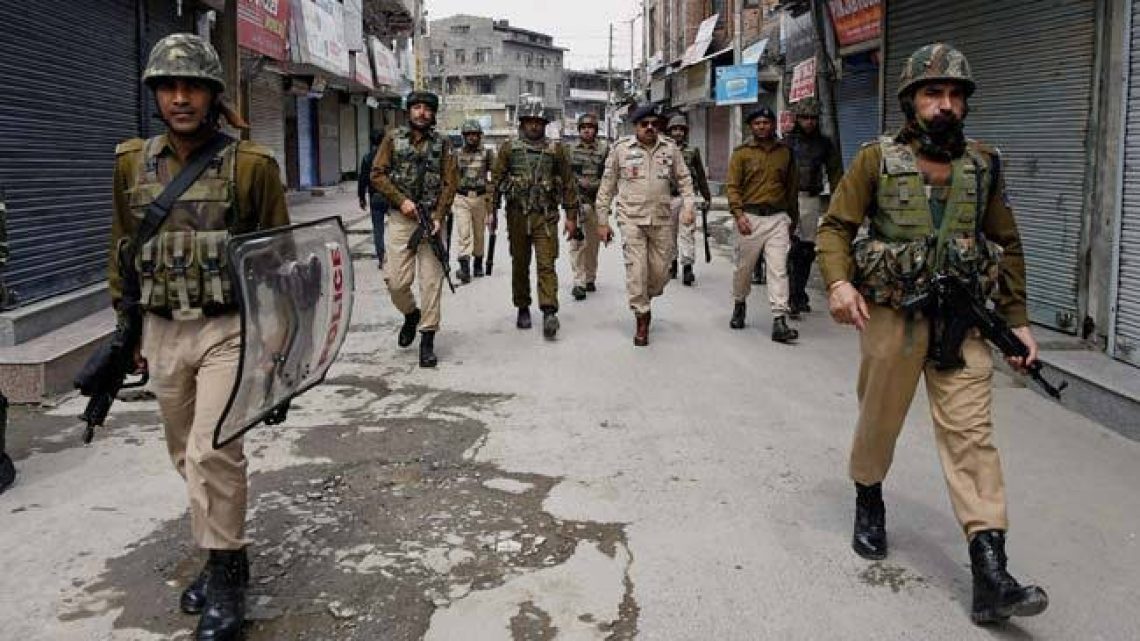
July 11, 2026The security situation in Indian Illegally Occupied Jammu and Kashmir (IIOJK) has taken a dangerous turn due to aggressive new orders from the police leadership. Director General of Police NalinPrabhat recently commanded Indian forces and intelligence networks to intensify operations and expand surveillance across the valley. This directive came from a high level security meeting in Srinagar where top military and police officials gathered to plan field operations. While authorities claim these actions protect public safety and religious routes, the reality shows an environment of absolute state control. New plans for night raids and extra checkpoints mean severe physical restrictions for the local population. Human rights observers warn that these orders always lead to brutal cordon and search operations. These measures deepen civilian fear and enforce a heavy military presence under the excuse of law and order.
The Severe Impact of Historical Cordon and Search Operations
To see the brutal impact of these directives one must look at the documented history of security operations in IIOJK. Forces have used cordon and search operations since the early nineties to control and terrorize local communities. International human rights groups show that thousands of these operations have targeted rural and urban areas. Between nineteen ninety and two thousand twenty security forces sealed off entire villages for days at a time. Independent human rights groups note that over eighty thousand civilian properties faced intrusive searches during these decades. These aggressive actions resulted in massive property damage and the arrest of young men without formal charges. The new orders for area domination repeat this pattern which destroys basic civil liberties for territorial control.
The Alarming Statistics of State Sponsored Arbitrary Detentions
Directives to monitor individuals suspected of supporting freedom organizations quickly cause a massive rise in arbitrary detentions. India heavily uses the Public Safety Act and the Unlawful Activities Prevention Act to silence political dissent in IIOJK. Public records show that more than six hundred individuals faced detention under the Public Safety Act right after August two thousand nineteen. This administrative law lets the state jail a person for up to two years without a trial or legal help. Data from legal aid groups proves that most detainees are students, political activists, and community leaders. Using these harsh legal measures creates a systemic barrier to free speech and leaves regular citizens vulnerable to endless imprisonment based on mere suspicion.
Widespread Human Rights Violations and International Condemnation
The terrible human rights situation in IIOJK has drawn strong criticism from global monitors who track state violence and surveillance. The Office of the United Nations High Commissioner for Human Rights released two detailed reports highlighting widespread abuses in the valley. These UN documents exposed the excessive force used by security personnel including pellet firing shotguns. Medical data from the main Srinagar hospital reveals that over six thousand civilians suffered severe eye injuries from pellets between two thousand sixteen and two thousand twenty. The current military escalation ordered by the police chief will inevitably worsen these numbers and cause more civilian casualties. A total lack of accountability under the Armed Forces Special Powers Act leaves the local population completely unprotected.
The Massive Economic Destruction of Heightened Militarization
An aggressive security apparatus inflicts a devastating economic cost on people in IIOJK who rely heavily on trade and tourism. Constant checkpoints and sudden road closures completely block the movement of goods on the critical Srinagar Jammu highway. Financial assessments by the Kashmir Chamber of Commerce and Industry showed that the lockdowns of two thousand nineteen cost the local economy over five billion dollars. The vital fruit industry suffered massive losses because security protocols delayed transport trucks for days. By expanding night operations and adding checkpoints the administration directly threatens small businesses and daily wage earners who need free movement to survive.
The Psychological Terror and Modern Digital Surveillance Systems
Living under permanent surveillance causes deep psychological distress for the local population in IIOJK. The constant presence of armed troops and digital tools like facial recognition drones creates a suffocating environment of absolute fear. A mental health survey by Medecins Sans Frontieres found that nearly forty five percent of adults in the valley experienced significant psychological distress. The study linked this distress directly to constant security checks, house raids, and witnessed violence. The current focus on digital tracking ensures that even the online expressions of citizens are heavily scrutinized leaving no safe space for peaceful dissent.
Dismantling Armed Control for a Just and Democratic Future
The new orders to increase military operations reveal a failed security approach that ignores the political rights of the people in IIOJK. Decades of clear data prove that adding more troops never brings peace but only increases civilian alienation and human rights violations. The United Nations and the international community maintain that a real solution requires open dialogue and respect for human rights. Relying on aggressive search operations and sudden detentions only removes any chance of real stability. For true peace to return to the valley the state must abandon military control and protect the basic dignity and freedom of the civilian population.