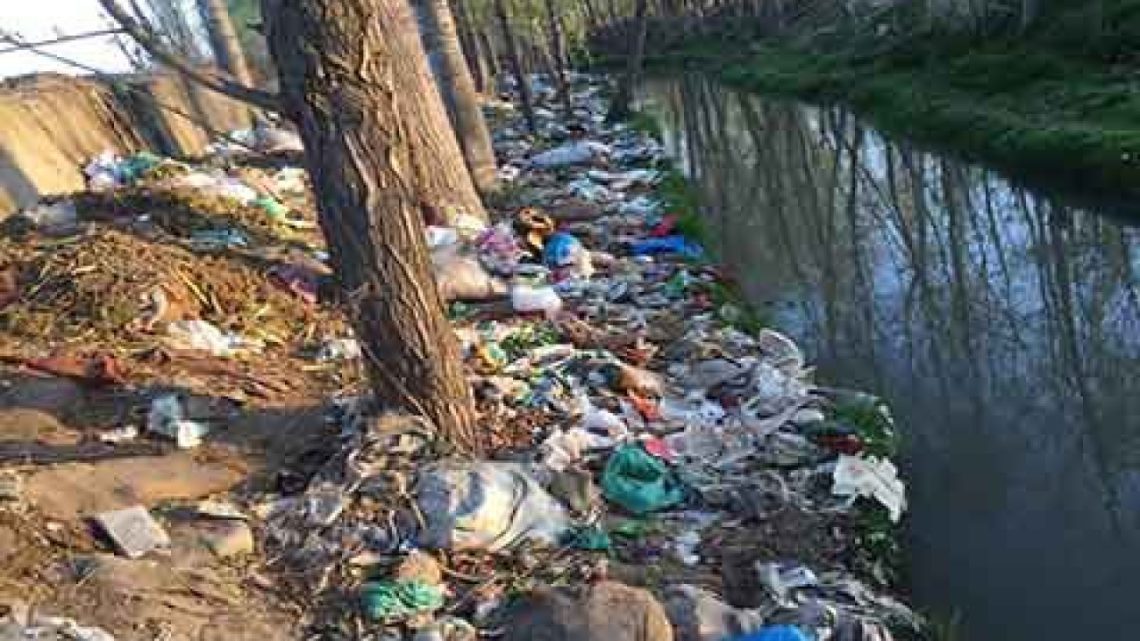
Indian Occupation Pushes IIOJK to 31st Position Out of 36 in Water Quality Index as Ecological Crisis Deepens
April 30, 2026The natural environment of Indian Illegally Occupied Jammu and Kashmir (IIOJK) is being systematically destroyed under the weight of foreign control. Recent data from the Central Pollution Control Board reveals a terrifying truth that cannot be ignored. Out of thirty six territories IIOJK has been ranked 31st on the Water Quality Index. This means the region is now among the six worst performers in the entire list. For a land defined by its glaciers and fresh springs a score of only 62 percent is a total disaster. This ranking is a clear indictment of the occupying state which has failed to protect the very resources it claims to manage.
The Harsh Statistics of Environmental Failure
The numbers provided by official sources expose the dark reality of the current administration. While states like Mizoram achieved a high score of 92.5 percent IIOJK is struggling at the 31st position out of 36. Even nearby mountain regions like Himachal Pradesh and Uttarakhand have maintained much higher standards with scores above 80 percent. Being ranked 31st puts IIOJK in the same category as the most polluted industrial zones of India. This is a massive failure of the occupying authorities. It proves that the water wealth of the territory is being poisoned through deliberate neglect and a lack of local accountability.
The Slow Death of the Jhelum River
The Jhelum River is the lifeblood of IIOJK but it is now fighting for its survival under the current regime. Official reports have identified several stretches of the Jhelum as heavily polluted water bodies. In areas like Chuntkol the Biological Oxygen Demand has reached a dangerous level of 11.2 while other parts record 7.8. These numbers prove the river is being treated as a dumping ground for raw sewage and waste. When oxygen levels drop this low aquatic life dies and the water becomes a carrier of deadly diseases. The river that once sustained the people of IIOJK is being turned into a toxic drain.
Dal Lake is Collapsing Under Neglect
Dal Lake is the heart of Srinagar but it is facing a total ecological collapse due to poor governance. The lake has lost nearly half of its original area over the past few decades because of illegal encroachments and zero waste management. The water is turning black because untreated sewage from thousands of buildings flows directly into the lake. The occupying administration produces nearly 500 tons of waste daily in the city and much of it ends up in the water. The rank of 31st is the direct result of the authorities prioritizing political control over building proper sewage infrastructure.
Destruction of Wetlands and Natural Guards
The crisis is also killing the vital wetlands of IIOJK such as Wular Lake and Hokersar. Data shows that Wular Lake has shrunk by almost 45 percent over the years. These wetlands used to act as natural filters that cleaned the water and prevented floods. Now these areas are being covered by plantations and illegal buildings under the watch of the occupying state. There is nothing left to protect the water quality in IIOJK. The loss of these natural guards has made the entire water system vulnerable to pollution which is why the region has crashed to the bottom of the national rankings.
Local Population Pays the Price for Occupation
The common people of IIOJK are the primary victims of this environmental mismanagement. Low water quality is a direct attack on the health and economy of every citizen. Farmers who depend on this water see their crop quality decline and their soil become toxic. The fishing community is losing its livelihood because the fish cannot survive in contaminated water. Furthermore the cost of making water fit for drinking is rising every day. This is a massive burden on a population already struggling under a heavy military presence. The occupying state has clearly ignored the basic needs of the people.
A Heritage of Pure Water Turned into Poison
History reminds us that the water in IIOJK was once the cleanest in the entire region. Travelers from the past described the streams of the valley as pure and life giving. However data from the last two decades shows a rapid and frightening decline. This did not happen by accident. It is the result of years of ignoring environmental laws and allowing the destruction of forests. The ranking of 31st is a shameful mark that proves the occupying state is incapable of protecting the territory. It shows that while other regions are improving IIOJK is being pushed into an environmental dark age.
Militarization and the Lack of Oversight
In a territory under heavy military occupation the environment is always a silent victim. Massive construction projects for military use and the presence of hundreds of thousands of troops create a huge amount of waste that is never managed properly. The people of IIOJK have no power to hold the occupying authorities accountable for this destruction. The focus of the state remains on security and suppression while the glaciers melt and the rivers dry up. Without local control over natural resources the ecological crisis will only get worse.
A Threat to Regional Water Security
The pollution in IIOJK is not just a local issue but a threat to millions of people across the borders. These mountains are the source of water for the entire Indus basin. If the water at the source is ranked 31st out of 36 then the water security of the entire region is in danger. The melting of glaciers in IIOJK is happening faster because of local pollution and heat. If these water bodies are not saved now the coming generations will inherit a desert. We are witnessing the destruction of a global treasure while the occupying administration remains indifferent to the catastrophe.
Restoring the Soul of IIOJK Before it Vanishes
The data from the Water Quality Index is a final warning that the lifeblood of IIOJK is being drained away. We must stop the flow of sewage into our rivers and protect every inch of our remaining wetlands from encroachment. The ranking of 31st is a badge of shame for the occupying state and its failed policies. Clean water is a fundamental right but the people of IIOJK are being denied this basic necessity. If the Jhelum and Dal Lake die the identity and future of the valley will die with them. The authorities must be held accountable for this ecological crime before the damage becomes permanent.