India Unlawful Revocation of Kashmir Special Status on August 5 2019 Violates International Law and Human Rights
August 4, 2026The fifth of August marks a painful day in the history of Indian Illegally Occupied Jammu and Kashmir. On this day in 2019 the Indian government took away the special status of Indian Illegally Occupied Jammu and Kashmir by revoking Article 370 and Article 35A. This aggressive step turned an internationally recognized disputed area into union territories under Indian control. Organizations like the Jammu and Kashmir Democratic Freedom Party and the All Parties Hurriyat Conference observe August 5 as Black Day to protest these unjust steps. The core issue remains clear because Indian Illegally Occupied Jammu and Kashmir is not just a piece of land but an ongoing dispute about fundamental political rights dignity and freedom.
Indian Unilateral Actions Contradict Fundamental Principles of International Law
The reality of Indian Illegally Occupied Jammu and Kashmir rests on United Nations Security Council resolutions that grant the right of self determination through a free plebiscite. India promised to respect these agreements before the world many years ago. However the steps taken on August 5 2019 directly violated international law and key UN Security Council resolutions including Resolution 47 passed in 1948 and Resolution 122 passed in 1957. International law makes it clear that an occupying power cannot change the final status of a disputed land on its own. By trying to forcibly integrate the area India tried to erase the legal standing of the conflict but the dispute remains alive on the global stage.
Decades of Indian State Aggression and Historical Massacres in Kashmir
The suffering of people in Indian Illegally Occupied Jammu and Kashmir did not start in 2019 but stretches back over several decades. A tragic example happened during the Jammu massacres in late 1947 when historical records show that around two hundred thousand innocent Muslims were systematically targeted and killed while many others were forced to flee. Since 1989 the Indian military presence has caused immense human loss and suffering across the region. Human rights reports confirm that Indian forces have killed over ninety five thousand Kashmiris during the last three decades. Thousands of civilians have been injured and many families still search for missing relatives who disappeared in military custody.
Systematic Imprisonment and Harsh Military Lockdown Under Indian Rule
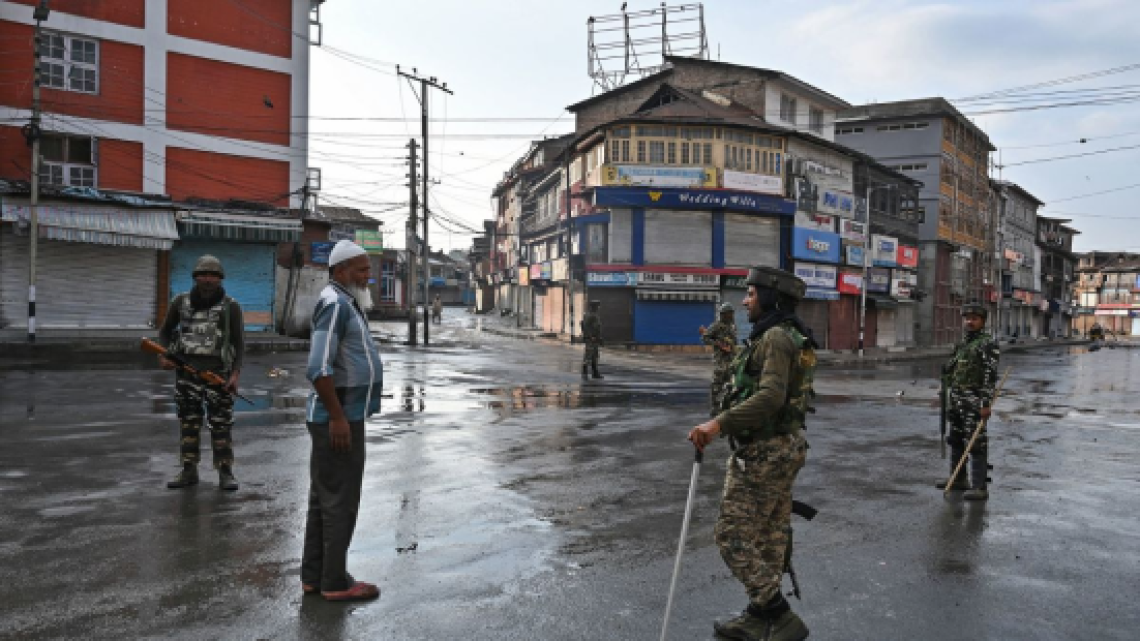
After the events of August 5 2019 India imposed an extreme military lockdown and blocked all communications to hide its actions from the international community. Thousands of political leaders human rights defenders and young boys were locked up under harsh laws like the Public Safety Act and the Unlawful Activities Prevention Act. Prominent leaders such as Shabir Ahmed Shah and Muhammad Yasin Malik and Masarat Alam Bhat along with female activists like Aasiya Andrabi and Fahmeeda Sofi and Nahida Nasreen remain in distant Indian prisons without fair legal trials. This prolonged imprisonment proves that India wants to silence every voice demanding basic freedoms.
Indian Demographic Changes and Threat to Native Kashmiri Identity
Besides imprisoning local leaders Indian authorities are actively trying to change the demographic map of Indian Illegally Occupied Jammu and Kashmir. The removal of Article 35A allowed non residents to buy land and take government jobs in the occupied region. New domicile rules introduced by the Indian government allow millions of outsiders to obtain residency certificates. Experts point out that these demographic changes violate the Geneva Convention which forbids changing the population structure of occupied lands. Local residents fear that these targeted schemes will turn native Muslims into a minority in their own homeland and completely destroy their cultural identity.
Failure of Indian Narrative and Documented Human Rights Violations
Despite heavy Indian propaganda international organizations continue to highlight state atrocities in Indian Illegally Occupied Jammu and Kashmir. Reports published by the Office of the United Nations High Commissioner for Human Rights in 2018 and 2019 exposed heavy human rights abuses including torture arbitrary arrests and strict bans on press freedom. Human rights bodies like Amnesty International and Human Rights Watch have repeatedly called on India to end night raids and release political prisoners. However India continuously bans independent foreign observers and international journalists from entering the occupied territory to hide the ground reality.
The Urgent Need for Global Action Against Ongoing Indian Oppression
The unresolved dispute over Indian Illegally Occupied Jammu and Kashmir remains a major threat to stability in South Asia. Both India and Pakistan are nuclear powers and ongoing Indian aggression creates a constant danger of escalation that puts millions of lives at risk. Peaceful political dialogue and respecting the will of the Kashmiri people offer the only true path toward peace. The continuous observance of Black Day on August 5 reminds the world that Indian oppression cannot suppress the demand for freedom. The international community must pressure India to stop its human rights abuses and implement United Nations resolutions for long term regional stability.