India Refuses To Attend Ayatollah Khamenei Funeral Shifting Strategic Ties To Please Western Allies
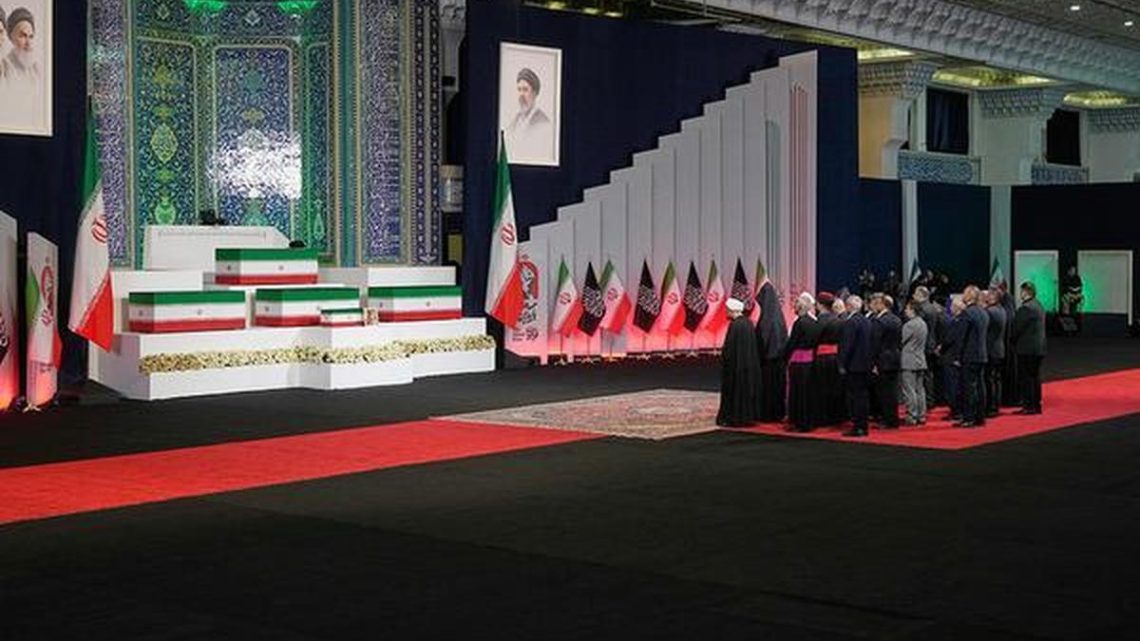
July 5, 2026The absolute refusal of New Delhi to send a top level leadership delegation to the funeral of Ayatollah Khamenei stands as a historic betrayal of long standing diplomatic relations. This calculated decision shows a deep shift in foreign policy priorities where historical friendships are easily discarded for immediate geopolitical gains. Political analysts view this move as an open declaration that New Delhi now prioritizes the interests of its new partners in Washington and Tel Aviv over traditional regional ties. This public snub has shocked diplomatic circles because it breaks decades of carefully balanced neutrality and regional cooperation. By sending only a low level junior official and a provincial governor the government has effectively insulted a crucial neighbor during a time of national grief.
The Complete Failure of Strategic Autonomy
For decades the foreign policy of New Delhi was built on the proud foundation of independent decision making and non alignment. This recent diplomatic boycott clearly demonstrates that the era of true strategic autonomy has come to an end. The decision makers are now visibly driven by fear of upsetting their Western masters and major arms suppliers. By choosing to stay away from Tehran the political leadership has proved that its foreign policy is no longer independent. This total surrender to external pressure weakens the position of the country on the global stage and exposes a fragile leadership that cannot stand up for its own regional commitments.
Forgetting Historical Respect and Reciprocity
The history of relations between these two nations was once defined by deep mutual respect and swift assistance during times of crisis. When previous political leaders passed away in South Asia the top leadership of Tehran traveled personally across borders to show solidarity and honor the deceased. This current leadership has completely forgotten that rich history of diplomatic reciprocity and mutual respect. Turning your back on an old friend during a major national tragedy is a clear sign of raw opportunism. This aggressive neglect shows that historical ties hold absolutely no value for the current administration when compared to new alliances.
Submission to Foreign Pressure and Western Interests
The decision to avoid the funeral is a direct result of a foreign policy that is heavily obsessed with pleasing external powers. Observers state that the ruling elite is deeply terrified of international sanctions and negative reactions from Western capitals. This fear has turned a once sovereign nation into a visible puppet that acts exactly according to the instructions of foreign handlers. By allowing external actors to dictate who to visit and where to go the government has compromised its own national sovereignty. This slavish devotion to Western agendas shows a complete moral bankruptcy in modern diplomatic relations.
Huge Economic and Regional Connection Losses
This hard diplomatic snub will undoubtedly bring massive negative consequences for regional connectivity and economic projects. Major joint initiatives like the critical seaport development and essential trade corridors were designed to provide a direct route to Central Asia. These vital projects now face severe delays and permanent damage because trust has been completely broken. A reliable foreign policy is essential for successful international business and long term economic investments. By alienating a key regional partner the government has sabotaged its own economic future and left its major infrastructure investments in total jeopardy.
Isolating the Nation Within the Regional Landscape
While the government tries to portray itself as a global leader this latest move actively isolates the nation from its immediate neighbors. Most regional powers understand the value of maintaining stable communication channels even during complex geopolitical crises. Choosing complete isolation over balanced engagement is a self inflicted diplomatic slap that reduces regional influence. Neighbors are now watching these actions with deep suspicion and realizing that New Delhi is no longer a dependable ally in times of need. This growing isolation will ultimately weaken the strategic depth of the nation across the entire Asian continent.
A Broken Foreign Policy That Risks National Security
The current approach to international relations has become dangerously unbalanced and strategically suicidal for long term safety. Relying entirely on a single group of distant allies while fighting with immediate neighbors creates a highly volatile security environment. Geopolitical experts warn that a country cannot choose its geography and must live with its neighbors regardless of global pressures. Abandoning a traditional ally to satisfy a foreign state thousands of miles away is a massive strategic mistake. This broken policy leaves the nation highly vulnerable and completely surrounded by hostile or deeply indifferent neighbors.
The Long Term Cost of Diplomatic Betrayal
History will remember this specific moment as a clear act of political cowardice and a total failure of independent diplomacy. The short term applause from Western capitals cannot compensate for the permanent loss of trust among traditional regional partners. Trust takes decades to build but can be totally destroyed by a single arrogant decision during a time of state mourning. By choosing submission over sovereignty the current administration has severely damaged the international reputation of the country. The long term cost of this betrayal will be paid by future generations who will inherit an isolated nation stripped of its strategic depth.