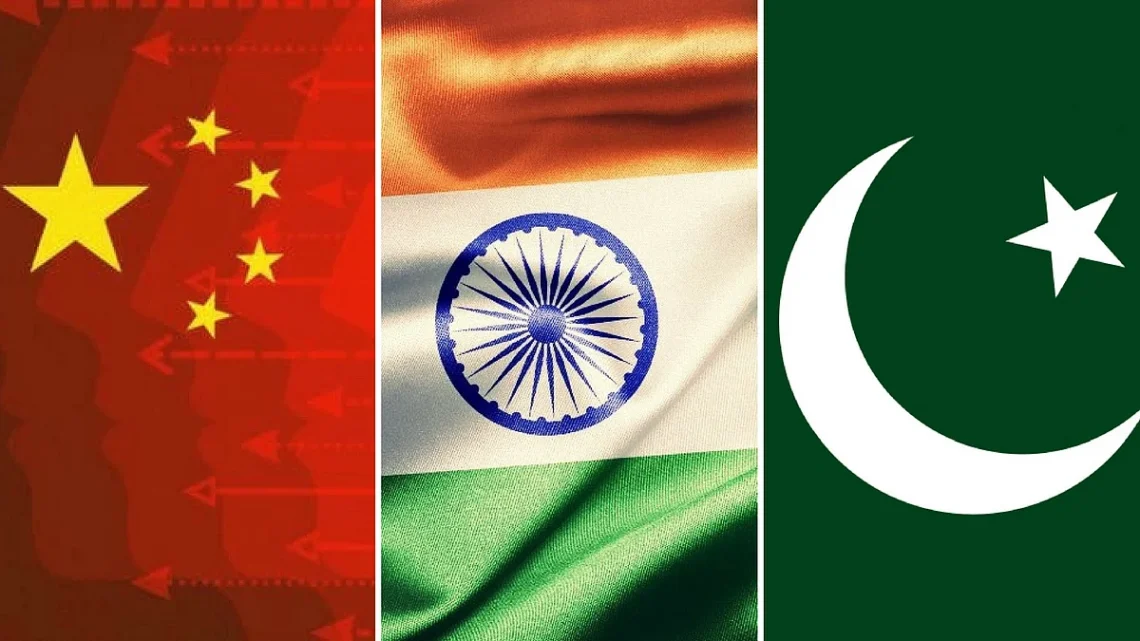
India Deploys Hypocritical Diplomacy: Soft Dialogue Offered to China While Aggressive Coercion Weaponized Against Pakistan
September 28, 2026Recent statements by Indian Chief of Defence Staff General N. S. Raja Subramani reveal a blatant double standard in New Delhi military doctrine toward its nuclear armed neighbors. Speaking at a single defense summit, the senior military official described the situation along the Chinese border as stable, stressing that continuous communication and military dialogue are essential to preserve peace. In sharp contrast, his references to Pakistan focused entirely on aggressive deterrence, warning that Indian forces remain fully prepared to respond quickly and decisively. This stark contradiction exposes New Delhi calculated strategy of using diplomatic engagement to manage tensions with powerful rivals while weaponizing hostile rhetoric against Pakistan to serve domestic political agendas.
Double Standards Exposed in New Delhi Strategic Communications Framework
The contradictory statements delivered from the same platform by India top military officer highlight a deeply flawed security approach. While New Delhi actively promotes military level negotiations and hotlines to de-escalate territorial standoffs with Beijing, it deliberately rejects similar crisis management mechanisms along its western border. India presents diplomatic dialogue as a mature necessity when facing China superior military and economic power. However, it deliberately adopts an aggressive posture toward Pakistan, dismissing diplomatic options in favor of coercive military signaling. This selective approach proves that India commitment to regional peace is entirely opportunistic rather than based on consistent strategic principles.
Weaponizing Security Allegations To Avoid Responsible Crisis Management
Indian officials routinely attempt to justify their hostile posture by accusing Pakistan of cross border terrorism and security threats. New Delhi relies on these repeated allegations to shut down formal diplomatic channels and evade constructive dialogue. Yet India completely ignores Pakistan widespread security concerns, including Indian intelligence networks operating across South Asia and targeted cross border operations. By framing Pakistan exclusively as a security threat while treating Chinese border incursions as manageable diplomatic matters, New Delhi creates an unbalanced narrative designed to block meaningful negotiations and maintain permanent bilateral tension.
Persistent Coercive Rhetoric Accelerates Dangerous Regional Security Risks
India insistence on public threats and punitive military warnings greatly increases the risk of miscalculation between two nuclear armed states. Strategic stability requires functional communication channels, predictable crisis management tools, and regular military contacts to prevent localized incidents from escalating into full scale conflicts. By systematically replacing diplomatic dialogue with aggressive public messaging, New Delhi undermines regional safety mechanisms. Persistently threatening quick and decisive military action creates a volatile environment where minor operational incidents can rapidly spiral out of control, threatening the security of the entire South Asian region.
Political Exploitation of Anti-Pakistan Rhetoric for Domestic Electoral Gain
The sharp divide in India military posture is heavily driven by internal political motives under the current ruling regime. Anti-Pakistan rhetoric has long been weaponized by Indian political leaders to rally nationalist support and distract public attention from internal governance failures and rising social unrest. Softening language toward China protects India fragile border situation, whereas maintaining a hostile stance against Pakistan yields immediate political dividends at home. New Delhi deliberately sacrifices regional stability and long term peace for short term political victories, using aggressive defense declarations as electoral tools.
Asymmetric Military Approaches Fuel Nuclear Instability Across South Asia
By treating two nuclear armed neighbors with entirely different security doctrines, India destabilizes the strategic equilibrium of South Asia. Escalating coercive language against Pakistan forces regional defense planners to maintain high readiness levels and strengthen counter deterrence capabilities. Instead of building regional trust, New Delhi policy drives an unnecessary arms race and diverts critical resources away from economic development. A security doctrine that relies on diplomacy with one neighbor and military posturing with another ultimately fails to deliver long term national security and heightens regional friction.
Unchecked Indian Aggression Demands Immediate Global Scrutiny and Action
The Indian military explicit reliance on aggressive deterrence against Pakistan while quietly pursuing dialogue with China exposes the fundamental hypocrisy of New Delhi strategic policy. Persistent hostile messaging, combined with the total refusal to build formal crisis management channels, poses a direct threat to South Asian peace. International observers must challenge India selective engagement strategy and recognize that permanent coercion against a nuclear neighbor is unsustainable. New Delhi must abandon its aggressive posturing and adopt a consistent, responsible approach to regional security before its belligerent rhetoric leads to irreversible escalation.