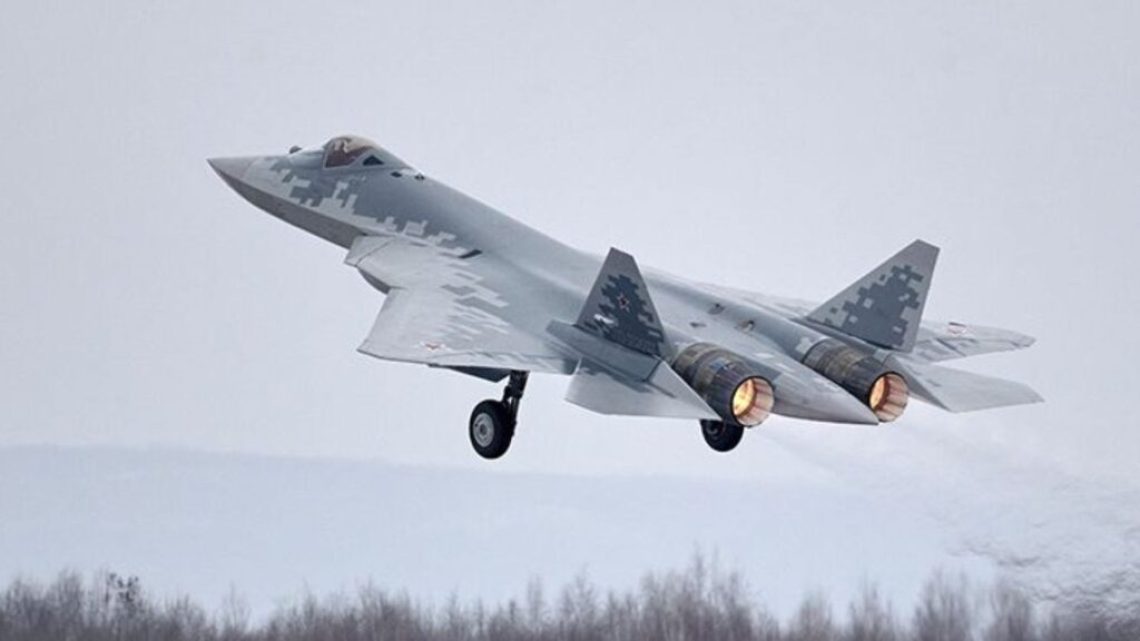
From Fighter Jets to Rubber Seals: How Russia’s War Exposed the Vulnerability of India’s Air Force
August 19, 2026The Indian Air Force finds itself trapped in a serious crisis as the war in Ukraine exposes its total dependence on Russian military hardware. For decades Indian leaders chose to rely heavily on Moscow for weapons, upgrades, and vital maintenance parts. Today that short sighted approach has left the fleet struggling to stay operational. Faced with long delays for basic components, the air force has resorted to 3D printing non critical rubber parts inside its repair depots. Indian officials try to promote this move as modern self reliance, but in reality it shows extreme desperation. A major air force forced to print simple rubber seals in house is not demonstrating strength, it is admitting that its primary foreign supplier can no longer deliver essential supplies.
Russia Cannot Fulfill Supply Promises to India
The operational foundation of the Indian military is currently breaking down under international pressure. India operates a massive collection of Russian built aircraft including 270 Sukhoi 30MKI fighters, 70 MiG 29 jets, and numerous Mi 17 utility helicopters. Because Moscow faces crippling sanctions and heavy battlefield losses in Eastern Europe, its defense factories are completely overloaded. Russian manufacturers must focus on supplying their own army, which leaves foreign customers like India ignored. Essential consumables, engine seals, and structural parts are simply not arriving in New Delhi. The Indian Air Force acknowledged this failure in its recent Sankalp 2026 internal strategy document, which urgently calls on local businesses to manufacture emergency replacement parts to keep these aircraft from sitting uselessly in hangars.
Risky Experiments at the Base Repair Depot
To prevent widespread grounding of its fighters, an Indian Air Force Base Repair Depot has begun reverse engineering rubber components. Technicians are now using additive manufacturing to produce items like gaskets, brackets, air ducts, and rubberized fabric linings. In normal conditions, these rubber parts require carefully engineered factory molds that take months to create and verify. Printing them locally reduces production time to a few days, which provides quick relief. However, military sources reveal plans to expand 3D printing to critical mechanical parts. This is a dangerous step because supersonic combat aircraft operate under massive pressures and extreme temperatures. Using locally printed parts instead of factory certified equipment invites mechanical errors and increases flight hazards for aircrews.
Software Cannot Replace Missing Metal Alloys
Alongside 3D printing experiments, the Indian Air Force partnered with the Indian Institute of Technology Bombay to create a specialized artificial intelligence platform. This system acts as a digital health indicator for Sukhoi 30MKI engines by tracking wear and predicting structural flaws before they cause crashes. While computer algorithms help technicians manage maintenance schedules, software alone cannot repair physical damage. An artificial intelligence system can alert engineers that an engine component is wearing out, but it cannot manufacture high grade metal alloys, complex turbine blades, or specialized hydraulic fluids. Relying on software to extend the life of failing equipment is merely delaying an inevitable mechanical breakdown.
Historical Data Confirms Longterm Structural Neglect
This current supply breakdown is the direct outcome of bad policy decisions made over many years. Records from the Stockholm International Peace Research Institute show that between 2012 and 2017, Russia supplied 69 percent of all arms imported into India. Even after attempting to purchase weapons from Western nations like France and the United States, Russia still accounted for 36 percent of Indian arms purchases between 2019 and 2023. Over 60 percent of all military hardware across the Indian armed forces remains Russian in design. Official figures from the Ministry of Defence show that operational readiness for the Sukhoi 30MKI fleet frequently dropped below 60 percent during peaceful periods because of chronic engine troubles and missing spare parts. Indian defense planners ignored these obvious warning signs for decades and now face a major crisis.
Safety Risks Threaten Fighter Pilot Lives
Forcing local repair depots to manufacture emergency parts creates significant safety issues for military operations. Supersonic fighters require exact engineering specifications to maintain safe flight performance. Replacing factory tested parts with uncertified local substitutes increases the likelihood of catastrophic system failures in midair. Air crash records over the past decade show that the Indian Air Force has already lost more than ten Sukhoi 30MKI aircraft to technical malfunctions and maintenance flaws. Pushing unproven 3D printed components into vital aircraft systems risks pilot lives during regular training missions and real combat scenarios. Emergency fixes cannot replace genuine quality control.
The High Cost of Foreign Military Dependence
The ongoing breakdown in military readiness offers a clear warning about the dangers of buying weapon systems from foreign powers. Real defense independence requires local manufacturing of original designs, not temporary depot repairs. The Indian Air Force attempt to 3D print rubber components proves that its supply system is under severe stress. It shows how easily a military can be crippled when its main arms supplier gets involved in a long war. Until Indian leaders build genuine internal manufacturing capabilities from the ground up, their air force will remain weak, vulnerable to foreign supply delays, and forced to rely on risky temporary compromises to keep its jets in the sky.