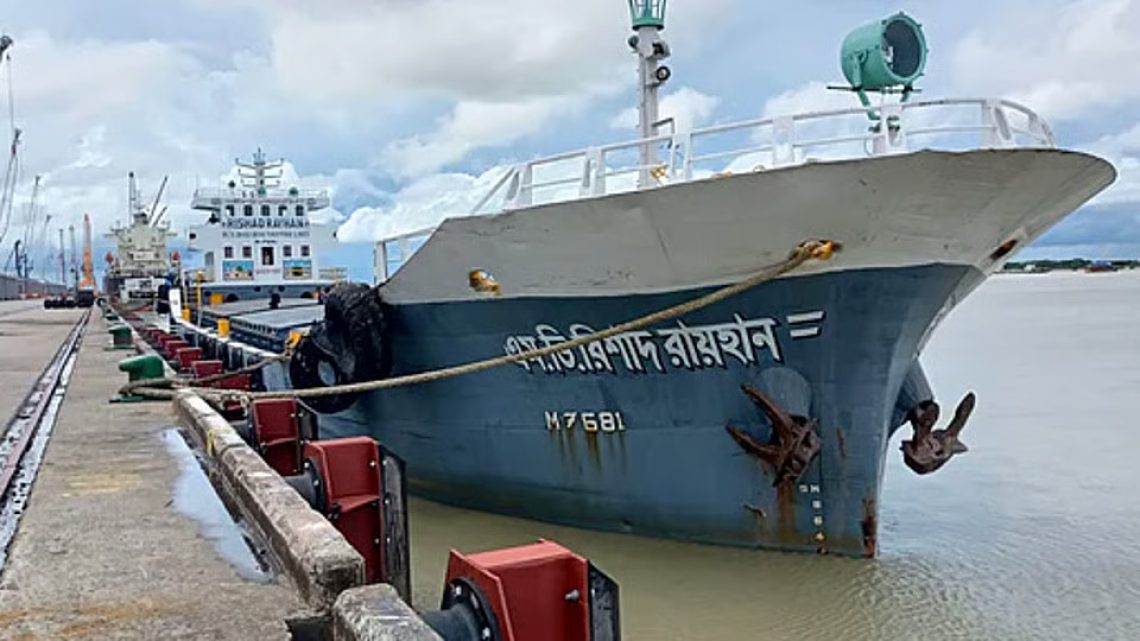
Dhaka Rejects New Delhi Trade Control and Hands Mongla Port Industrial Zone to China
June 29, 2026The sudden change in port management at Mongla reveals the complete collapse of Indian influence in Bangladesh. Dhaka has officially ended an exclusive bilateral deal with India for a strategic one hundred and ten acre economic zone. The interim administration led by Muhammad Yunus and the political leadership of Tarique Rahman handed the entire project to a Chinese state enterprise. This aggressive move proves that Bangladesh is no longer willing to wait for slow partners and prefers fast economic growth over old diplomatic friendships.
India Fails to Deliver on Port Infrastructure Deal
The loss of Mongla Port is a direct result of bad management and endless delays from New Delhi. India secured the rights to develop this industrial zone back in 2015 to protect its own borders and monitor regional trade. However Indian agencies let the project sit idle for years due to endless bureaucratic red tape. Bangladesh got tired of waiting and accepted a solid proposal from China for immediate money and better technical management. This choice shows that historical ties mean nothing when a country fails to finish its work.
Data Exposes the Failure of Indian Economic Promises
The numbers explain why Dhaka lost patience with New Delhi and chose Beijing instead. Between 2006 and 2026 Chinese financial investment in Bangladesh grew from tiny trade deals to massive infrastructure packages worth over twenty six billion dollars. On the other side India offered lines of credit that faced constant administrative blocks. Records show that less than thirty percent of promised Indian funds were actually used within ten years of the agreements. Bangladesh simply chose the partner that actually spends money and builds factories.
Cargo Growth Forces Dhaka to Choose Fast Development
The massive trade pressure at Mongla Port made the Indian delays even more annoying for Dhaka. Official data from the Mongla Port Authority shows that cargo volume grew from five million tons in 2015 to over thirteen million tons by 2024. The port now handles more than eight hundred foreign commercial ships every year. With Chittagong Port facing terrible gridlock Mongla became vital for the clothing export industry which brings in eighty percent of total national earnings. Bangladesh could not let a prime trade zone stay empty just to keep India happy.
New Delhi Suffers Severe Diplomatic Losses Across South Asia
The situation at Mongla Port is part of an embarrassing trend for Indian foreign policy planners. For over a decade New Delhi acted as if its close ties with Dhaka gave it a permanent guarantee over regional trade and security decisions. This centralized strategy focused only on keeping one political group in power while completely ignoring public anger and changing internal dynamics. Now that the old political structure is gone India has zero institutional alternatives left and must watch its neighbors build new alliances.
Indian Security Panic Over the Vital Siliguri Corridor
Defense experts in New Delhi are panicking over this transition and calling it a massive threat to maritime security. Indian policy circles are terrified that Chinese commercial management at the port will bring advanced spying capabilities right to their eastern flank. They are especially worried because Mongla is very close to the Siliguri Corridor. This narrow strip of land is the only geographic route connecting mainland India to its northeastern states. However these fears ignore the basic right of Bangladesh to invite any business partner it wants.
Sovereign Trade and the Collapse of Spheres of Influence
The panic in New Delhi cannot hide the fact that the era of exclusive regional control is over. Sri Lanka and Nepal and the Maldives have all made similar changes by picking diverse foreign investments to help their economies. By opening its maritime trade to global competition Dhaka is actively protecting itself from unilateral economic pressure from any single neighbor. The aggressive shift at Mongla Port proves that South Asian nations demand to be treated as equal partners who will always choose pragmatic deals over empty historical lectures.