DFP Raises Alarm over Human Rights Violations in IIOJK: A Wake-Up Call to the International Community
July 24, 2025Introduction
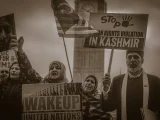
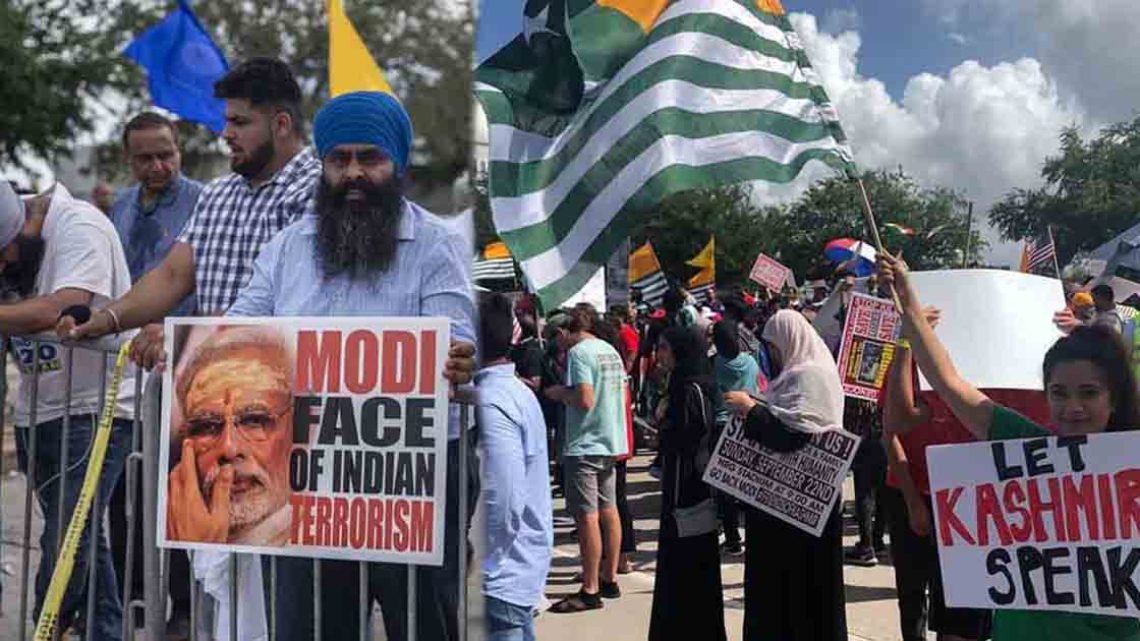
The Jammu and Kashmir Democratic Freedom Party (DFP) has once again drawn global attention to the alarming state of political and human rights in Indian Illegally Occupied Jammu and Kashmir (IIOJK). In a recent statement issued from Srinagar, DFP spokesperson Advocate Arshad Iqbal voiced grave concern over the continued repression of political activists, journalists, and human rights defenders. His remarks highlight a growing humanitarian crisis that demands immediate international intervention.
The DFP’s appeal is not just another political commentary; it is a clear call for action in the face of systematic violations that are being carried out with complete disregard for international law and moral responsibility.
Repression Under the Guise of National Security
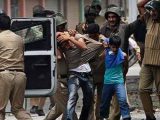
The DFP has strongly condemned India’s use of force as a tool to silence legitimate political voices. The ongoing crackdown on peaceful dissent in IIOJK, particularly the prolonged and arbitrary detention of political leaders and civil society representatives, reflects a troubling shift from democratic norms to authoritarian practices.
Since the events of 5 August 2019, when India unilaterally revoked the special status of Jammu and Kashmir, there has been an unprecedented escalation in repression. The arrest of prominent leaders including Shabbir Ahmad Shah, Muhammad Yasin Malik, Dr Hameed Fayaz, and Bilal Siddiqi, without fair trial or access to legal remedies represents a serious violation of both domestic and international legal frameworks.
Deteriorating Health of Political Prisoners: A Humanitarian Concern
The DFP has raised serious concern over the deteriorating health condition of several incarcerated leaders. The denial of access to proper medical treatment and specialised care for those suffering from chronic illnesses is both inhumane and unlawful. International human rights law is clear: every detainee has the right to life, health, and dignity regardless of their political beliefs.
When state authorities deliberately ignore medical needs in custody, such conduct amounts to custodial torture and may be classified as cruel and degrading treatment under international conventions. In this context, the continued neglect of the health of political prisoners in IIOJK cannot be justified under any legal or moral standard.
Criminalizing Dissent Through Detention
The use of preventive detention laws and anti-terror legislations to stifle dissent has become a routine practice in IIOJK. Laws such as the Public Safety Act (PSA) and the Unlawful Activities (Prevention) Act (UAPA) are being applied indiscriminately, often without substantial evidence or due process. Journalists, student leaders, and ordinary citizens are routinely arrested under vague charges, held in distant jails, and denied access to legal aid.
This policy of criminalizing dissent reflects a deliberate effort to dismantle all forms of political expression in the region. By detaining individuals for extended periods without formal charges, the occupying authorities are not only violating fundamental rights but also deepening the sense of alienation among the Kashmiri population.
International Watchdogs Must Move Beyond Rhetoric
While international organizations such as Amnesty International and Human Rights Watch have regularly issued statements expressing concern, the DFP has rightly urged them to take practical steps. The global human rights community must transition from passive observation to active engagement.
This includes independent fact-finding missions, legal support for detainees, and sustained diplomatic pressure on New Delhi to release all political prisoners. Silence and inaction at this stage will only embolden further violations and erode the credibility of international institutions tasked with upholding justice and human rights.
A Question of Political Will, Not Just Legal Obligation
The situation in IIOJK is not merely a legal matter; it is a moral challenge for the international community. The continued suffering of the Kashmiri people, particularly those in unlawful detention, highlights the failure of global leadership to respond decisively. If the principles of justice, freedom, and human dignity are to hold any real meaning, then the plight of IIOJK’s political prisoners must not be ignored.
The DFP’s statement serves as a reminder that addressing the Kashmir dispute requires more than diplomatic formalities. It requires an honest commitment to international law, human rights, and political dialogue.
Conclusion: Time for the World to Act
The persistent repression in Indian Illegally Occupied Jammu and Kashmir, as highlighted by the Democratic Freedom Party, demands immediate and coordinated international attention. The continued detention of political leaders, the denial of medical care, and the misuse of draconian laws reflect a deepening crisis that threatens not only regional peace but also the integrity of global human rights norms.
The world must respond not with silence, but with clarity and resolve. The release of all illegally detained Kashmiris, particularly those suffering from life-threatening conditions, must become a top priority for human rights organizations and multilateral institutions alike. To ignore the voices from IIOJK is to betray the very ideals that the international community claims to protect. Justice delayed is not just justice denied.