Amnesty International Exposes Brutal Police Crackdown on Peaceful Student Protests in New Delhi
July 21, 2026The Indian education system faces a severe crisis that threatens millions of young lives. Recent events in New Delhi reveal deep administrative failures and brutal state responses to peaceful grievances. When young students and activist groups took to the streets to demand fairness and accountability in competitive exams, they met tear gas, physical force, and heavy police deployment. This crackdown shows a troubling refusal by official authorities to address structural flaws in public examination bodies while crushing peaceful civic expression.
Amnesty International Highlights Excessive Force Against Students
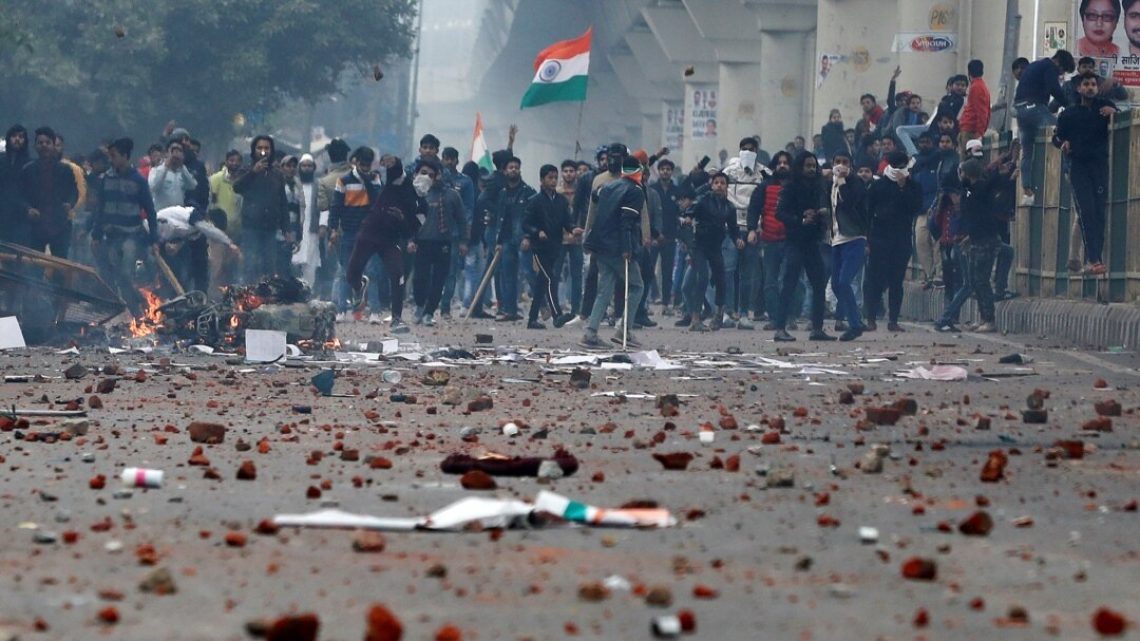
In a public evaluation, Amnesty International Chair of Board Aakar Patel highlighted the severe measures used against peaceful student demonstrators at Jantar Mantar. Emerging reports and visual evidence show that law enforcement agencies used excessive physical force and heavy barricades to stop youth from reaching Parliament. Furthermore, state authorities shut down public metro stations and suspended mobile internet access in surrounding areas. According to Amnesty International, these restrictive actions violate international human rights standards and undermine the basic right to freedom of peaceful assembly.
Understanding the Scale of the Recent Examination Crisis
The immediate trigger for widespread public anger was the scandal surrounding the national medical entrance exam in May 2026. This standardized test serves as the primary doorway for aspiring medical students across the country. Reports of question paper leaks disrupted the system, forcing testing agencies to cancel initial results and order a full retake for over two million candidates. For young applicants who spent years preparing under immense pressure, this cancellation was a devastating blow. The psychological strain led to tragic student suicides across several states, illustrating the severe human cost of administrative incompetence.
A History of Systemic Vulnerabilities in Public Testing
This failure is not an isolated incident in the history of competitive exams. Over the past decade, national and state entrance tests have repeatedly been compromised by paper leaks and systemic mismanagement. The infamous Vyapam scam in Madhya Pradesh during 2013 exposed deep corruption within public recruitment boards, involving thousands of fake candidates and compromised officials. Similarly, the 2024 national medical entrance exam faced widespread legal challenges after more than two million candidates suffered from irregular marks and compromised test papers. Despite the passage of the Public Examinations Prevention of Unfair Means Act in early 2024, implementation remains deeply flawed.
The Emergency Demands of Youth Protests
In response to these repeating failures, a prominent movement known as the Cockroach Janta Party mobilized thousands of students and citizens. The core demands of this youth movement focus on institutional reform and direct relief for affected families. Protesters are calling for the immediate resignation of Union Education Minister Dharmendra Pradhan, arguing that senior leadership must accept ultimate responsibility for repeated systemic collapses. Furthermore, organizers demand financial compensation of ten million rupees for each family that lost a child to examination related distress following the paper leak scandal.
The Forceful Hospitalization of Activist Sonam Wangchuk
The government stance toward peaceful dissent became clearer with the handling of prominent activist Sonam Wangchuk. Joining the student movement to highlight administrative opacity, Wangchuk engaged in an extended hunger strike that lasted for three full weeks. On July 18, which was his twenty first day of fasting, local police forcefully removed him from the protest venue and transferred him to a medical facility against his explicit wishes. This coercive measure highlights how state machinery increasingly views peaceful fasting and public solidarity not as legitimate civic appeals but as public order challenges to be neutralized through physical removal.
Human Rights Frameworks and Constitutional Guarantees
The aggressive police response raises serious legal questions regarding adherence to international standards and constitutional protections. Article 19 of the Indian Constitution guarantees all citizens the right to assemble peacefully without arms and to express opinions freely. Under international human rights law, public authorities carry a duty to protect and facilitate peaceful public gatherings rather than suppress them through force. When police forces rely on physical beatings, tear gas, and digital communication blackouts against unarmed students, their actions fail to meet essential international tests of necessity, legality, and proportionality.
The Compounding Stress of Youth Unemployment
To comprehend the frustration of Indian students, one must examine the broader economic environment. Youth unemployment among educated individuals in India has hovered around fifteen to twenty percent according to official labor force surveys over recent years. Millions of young graduates compete for a tiny fraction of public sector jobs and professional higher education seats each year. Parents often exhaust their lifelong savings to fund private coaching institutes. When a nationwide paper leak invalidates years of preparation, it destroys not just an academic opportunity but the financial security and emotional wellbeing of entire families.
Urgent Policy Reforms Required for Restoring Public Trust
Restoring integrity to the national education landscape requires immediate policy corrections. Public testing agencies must undergo structural auditing by independent technical bodies to secure digital and physical question distribution networks. Furthermore, state authorities must establish an independent oversight commission to investigate allegations of police misconduct during peaceful public assemblies. Suppressing legitimate student grievances with riot gear and internet blockades does not solve administrative corruption. It only deepens public distrust and pushes vulnerable youth into despair.
The Path Forward for Democratic Governance The crisis surrounding national entrance exams is a crucial test for democratic accountability and educational governance. A healthy democracy relies on the ability of its young citizens to seek justice without fear of physical retaliation or digital isolation. Government officials must recognize that public protests are a vital signal of systemic failure rather than a threat to national stability. By taking accountability, reforming examination protocols, and respecting fundamental rights of assembly, authorities can protect the future of millions of students and restore faith in public institutions.