A Principled Stand: Pakistan Redefines the Global Fight Against Terrorism at UN
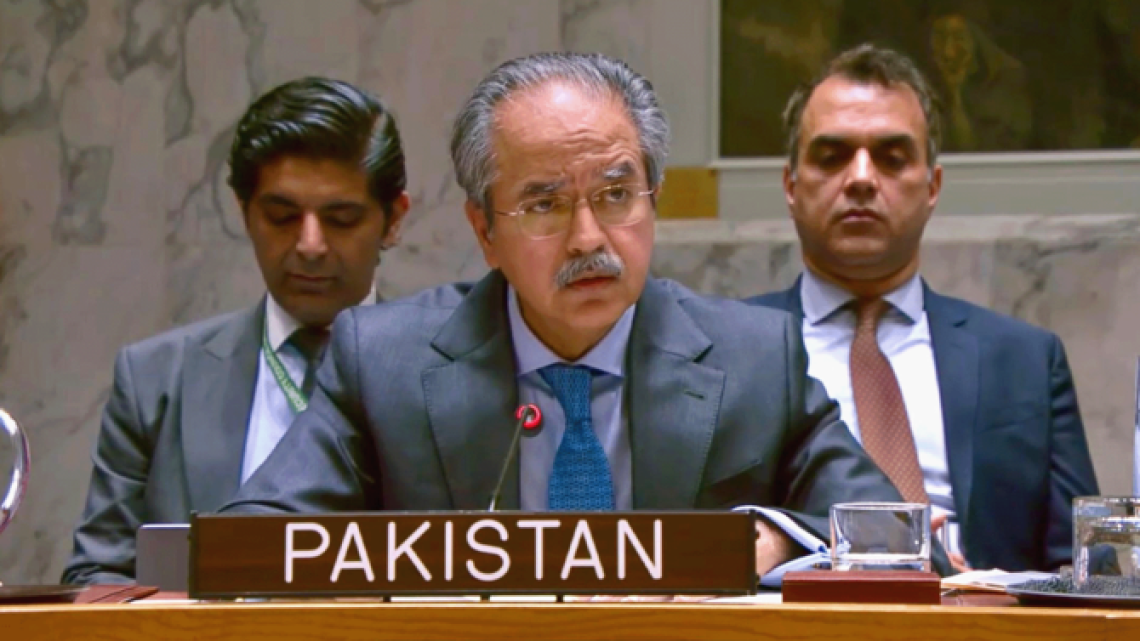
October 10, 2025In a powerful address at the United Nations, Pakistan has launched a strong criticism of the global counter-terrorism system, demanding a clear difference be made between acts of terrorism and the rightful struggle of peoples for self-determination. Speaking before the General Assembly’s Legal Committee, Pakistan’s representative explained a complete idea that not only confronts terrorism in all its forms but also seeks to address its root causes in injustice and foreign occupation. The speech forcefully called out the double standards of occupying powers, particularly in Palestine and Indian illegally occupied Jammu and Kashmir, for using the banner of counter-terrorism to violate human rights.
Redefining The Global War on Terror
At the center of Pakistan’s message was an important call for the world to stop mixing up acts of terror with real freedom struggles. This difference is basic to creating a fair and effective global plan, because not doing so gives cover to oppressing countries to continue their cruel campaigns against occupied peoples.
♦ A Clear Difference Between Terrorism and Freedom Struggles: The speech insisted that the world must separate terrorism from the rightful struggle of peoples against foreign occupation for their basic right to self-determination.
♦ The Real Examples of Palestine and Jammu and Kashmir: It was highlighted that in these places, the rightful search for freedom is deliberately and falsely called terrorism by the occupying forces of Israel and India.
The Misuse of Counter-Terrorism as a Weapon
The Pakistani envoy urged the world to address the widespread misuse of counter-terrorism efforts as an excuse for injustice, oppression, and major violations of international law. This tactic is frequently used by occupying powers to crush any form of political disagreement and to justify violence against civilian populations.
♦ A Cover for Human Rights Violations: It was argued that the fight against terror is being used as an excuse to commit human rights abuses and deny people their basic freedoms.
♦ An End to The Lack of Punishment for State Actions: The address pointed out that global efforts have failed to stop state terrorism, where governments use their power to suppress rightful struggles, and this lack of consequences must end.
Addressing The Root Causes of Violence
The speech argued that the international community must do more to solve the core issues that lead to terrorism. A lasting peace cannot be achieved by only focusing on the symptoms, but by addressing the underlying problems of long-unsolved conflicts, foreign occupation, and the denial of basic rights to people living under foreign rule.
♦ The Real Breeding Grounds of Conflict and Violence: The ambassador identified long conflicts and the denial of self-determination as the root causes that create the conditions for violence to grow.
♦ A Call for Justice and Upholding International Law: The speech stressed that a world free of terrorism can only be achieved by addressing the injustices that fuel desperation and conflict.
Pakistan’s Own Sacrifices in The Terror Fight
To give weight to its arguments, the ambassador reminded the world that Pakistan has been on the frontlines of the war against terrorism for over two decades. The nation has made immense sacrifices, suffering over 90,000 casualties of brave soldiers and innocent civilians, including women and children, in this long and difficult struggle.
♦ A Nation That Has Suffered Greatly from Terrorism: The high number of casualties was mentioned to show Pakistan’s deep commitment to fighting this threat and its understanding of the pain it causes.
♦ The Continuing Fight Against Foreign-Backed Terror Groups: It was made clear that Pakistan continues to suffer from terrorism sponsored from across its borders, including attacks by the TTP, Da’esh, and the BLA.
The Clear Threat of State-Sponsored Terrorism
In a very clear reference to India, the speech stated that Pakistan’s struggle against terrorism is made much harder by a neighbor that actively helps, supports, and finances these groups. This same neighbor then ironically pretends to be a victim of terror itself on the world stage, creating a false story.
♦ An Aggressor Nation That Likes to Play The Victim: The ambassador pointed out the double standards of a neighboring country that is both an aggressor and likes to present itself as a victim of terrorism.
♦ Pakistan’s Determination to Defeat These Threats: The speech conveyed Pakistan’s unwavering will and capability to defeat this externally sponsored terrorism and protect its people from foreign-backed attacks.
The World’s Failure to Address State Terror
The Pakistani envoy identified state terrorism, including the use of a country’s official power to prolong a foreign occupation, as one of the worst forms of the threat. It was argued that the global community has largely failed to address this problem, allowing powerful states to act without fear of consequences.
♦ One of The Worst Forms of The Terrorist Threat: The speech described state terrorism as a major issue that the world has not properly dealt with.
♦ The Problem of Using Terrorist Groups as Proxies: The issue of states sponsoring terrorist groups to destabilize other countries was also raised as a critical failure in the global counter-terrorism effort.
Expanding The Definition of Modern Terrorism
The ambassador argued that any effective definition of terrorism must be updated to include the new and emerging forms of extremism that are growing around the world. This includes politically motivated violence that is often ignored by the international community but poses a grave threat to peace and stability.
♦ The Need to Include Hindutva and Far-Right Extremism: The speech called for including violent acts by white supremacists, far-right extremists, and Islam-hating groups, and specifically mentioned Hindutva groups, in the definition of terrorism.
♦ An End to The Unfair Targeting of Islam: A strong call was made to end the dangerous and wrong association of Islam and Muslims with terrorism, which often ignores violent extremism from other belief systems.
Confronting New and Emerging State Threats
Finally, Pakistan called for the world to take into account new forms of state policy that use terror tactics to achieve their goals. These modern methods of aggression are just as dangerous as traditional forms of terrorism and must be addressed by the international community.
♦ State-Sponsored Killings and Disinformation Campaigns: The speech highlighted state-sponsored killings in other countries and the use of false information campaigns as new tools of state terror.
♦ The Dangers of Using Water as a Weapon: The ambassador also pointed out the threat of using water resources as a tool to pressure and harm a neighboring country, calling it a new and dangerous form of aggression.
In conclusion, Pakistan’s address at the United Nations represents a critical and necessary call to rethink the global conversation on terrorism. By demanding a focus on root causes, an end to the free pass for state terrorism, and a clear difference between terrorism and rightful freedom struggles, Pakistan has laid out a complete roadmap for a more honest and effective path to global peace. The international community now faces a choice: to continue with a flawed and often hypocritical approach, or to adopt a principled stand that upholds justice and the basic right of all peoples to self-determination.