Indian Police Exposed for Torture and Brutal Violence Against Young Protesters
November 12, 2026International Rights Groups Condemn Indian Police Brutality Against Youth
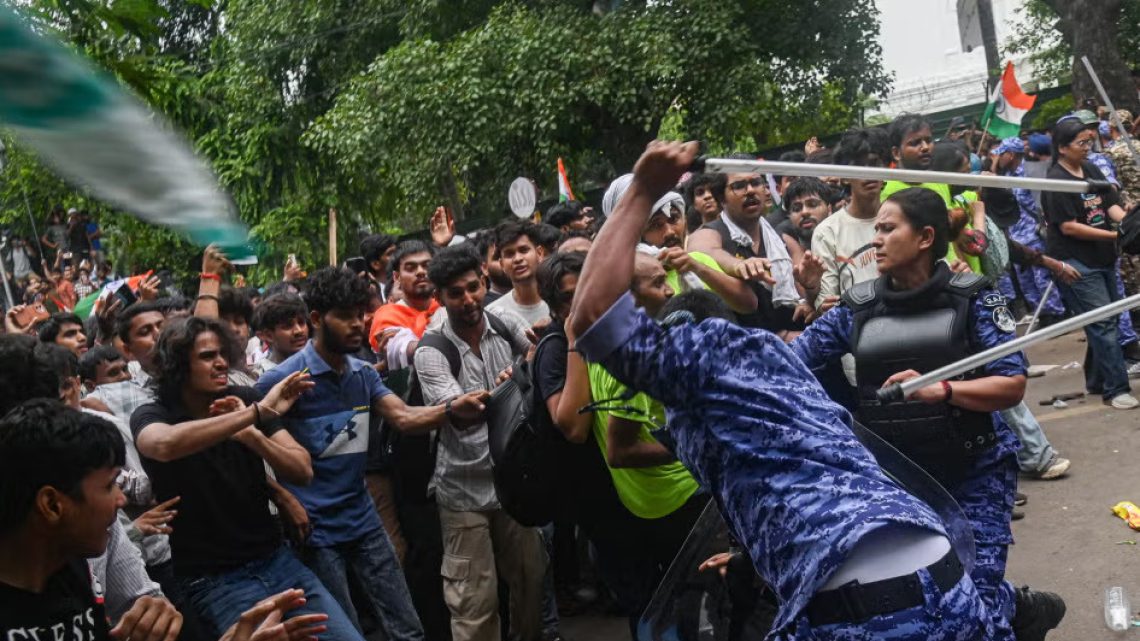
A damning joint statement issued by major human rights organizations has exposed widespread allegations of police torture and state violence against young protesters in India. On November 10 and 11, the United Against Torture Consortium, People’s Watch, and the National Alliance for Justice, Accountability and Rights released a detailed report documenting severe abuses during youth-led demonstrations in July and October 2026. These protests, led by groups like the Cockroach Janta Party and student unions, erupted over massive electoral roll deletions affecting more than 130 million voters, alongside widespread unemployment and unfair university entrance examinations. Instead of addressing legitimate civic grievances, Indian security forces responded with mass detentions, brutal beatings, and systematic intimidation.
Excessive Force and Dangerous Weapons Used Against Peaceful Students
Accounts compiled by human rights monitors reveal that Indian law enforcement treated peaceful student gatherings like hostile battlefields. During demonstrations on July 20 in New Delhi, police allegedly fired metal pellets from shotguns into crowds, causing a nineteen-year-old student to lose sight in one eye. Monitors also documented the deployment of nail-studded batons, electric-shock devices, and heavy bamboo sticks against unarmed young citizens who were simply sitting and demanding educational and electoral reforms. In Bihar, security personnel reportedly aimed assault rifles at protesting students. Such disproportionate violence violates basic international standards governing law enforcement and exposes a state apparatus determined to crush youth dissent through physical terror.
Illegal Detention of Children and Harassment of Women Journalists
The crackdown extended far beyond street-level dispersal, targeting vulnerable minors and independent media workers trying to document the truth. According to the consortium statement, police detained roughly 150 individuals in Bihar, most of whom were children, holding them in custody for over forty hours in direct violation of Indian legal limits. Many minors were kept away from their families without access to mandatory legal protections. Furthermore, authorities actively blocked journalists from covering the rallies in New Delhi on October 2, physically assaulting reporters and suspending internet and public transport services. At least three women journalists reported facing sexual harassment from police officers while performing their professional duties.
Mass Preventive Arrests Designed to Silence Democratic Dissent
Ahead of scheduled rallies at Jantar Mantar demanding accountability from electoral authorities, Indian police launched sweeping preventive crackdowns across multiple states. Thousands of young citizens traveling to the capital were intercepted and detained, while prominent youth leaders were placed under house arrest without formal charges. Even after the United Nations Human Rights Office urged New Delhi on October 10 to release all arbitrarily detained individuals and engage in dialogue, Indian authorities dismissed international concern as unwarranted interference. It took direct intervention from the Supreme Court on October 11 to end the illegal seven-day detention of two student leaders, highlighting how law enforcement routinely ignores constitutional safeguards.
Systemic Impunity and Failure to Criminalize Torture in India
The Global Torture Index classifies India as a high-risk country for torture, a grim reality reinforced by the absence of domestic legislation explicitly criminalizing custodial abuse. Although India signed the United Nations Convention against Torture back in 1997, successive governments have refused to ratify the treaty or pass comprehensive anti-torture laws. Legal provisions requiring government permission before prosecuting public servants shield abusive police officers from criminal liability. Because police personnel know they will face neither departmental discipline nor court punishment, custodial beatings and street brutality have become standard operating procedures for managing public protests.
Shrinking Civic Space Under Authoritarian Governance
When a government responds to unemployed youth and concerned students with pellet guns, internet blackouts, and arbitrary arrests, it reveals deep insecurity about democratic accountability. Peaceful assembly is a fundamental right guaranteed under both Indian constitutional law and international human rights treaties. By branding student movements as threats to public order and silencing journalists who expose misconduct, state institutions actively dismantle civic space. Using brute force to suppress debates over voter roll deletions and examination fairness undermines the very foundation of representative democracy and alienates an entire generation of young citizens.
Urgent Demand for Independent Investigations and Accountability
Human rights organizations and United Nations experts have rightly called for immediate, independent investigations into all allegations of police violence, sexual harassment, and unlawful child detention. Simply ordering internal police inquiries will never deliver justice when law enforcement agencies are tasked with investigating their own crimes. Authorities must immediately ban hazardous crowd-control weapons like pellet guns and nail-studded batons, ratify the international anti-torture convention, and prosecute every officer responsible for abusing peaceful protesters. Without genuine accountability and institutional reform, state violence against young citizens will continue unchecked.