Tamil Nadu Officials Exposed Spending Millions on Fake AI Generated Library Books
November 12, 2026Massive Public Library Book Fraud Uncovered in Tamil Nadu
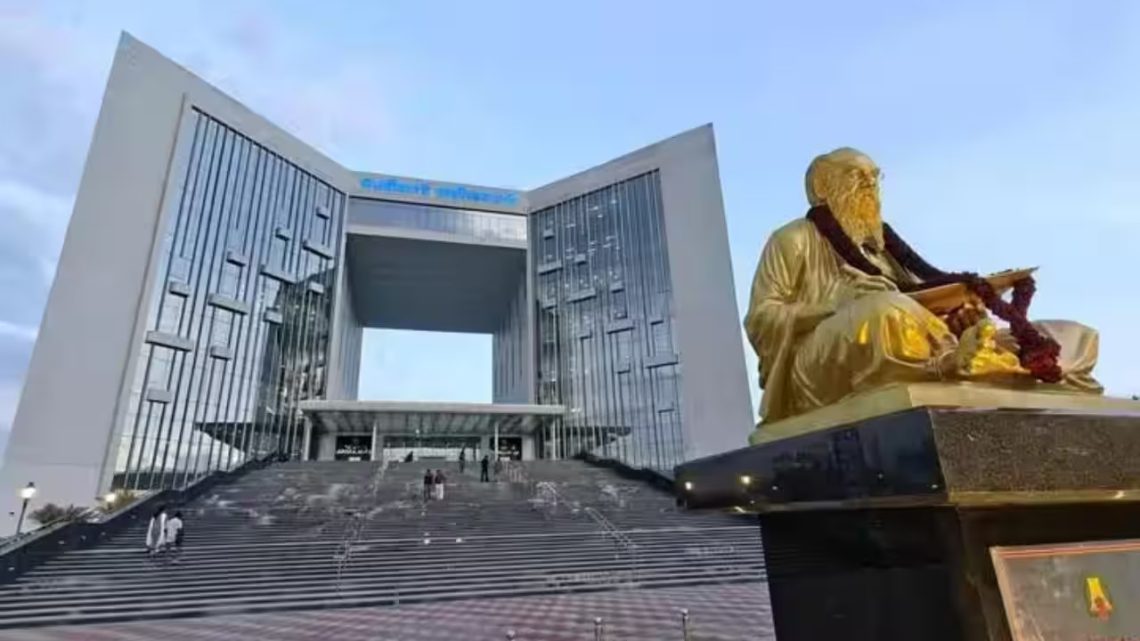
A major corruption scandal has shaken the public education sector in Tamil Nadu after investigations revealed that state libraries spent millions of rupees purchasing thousands of fake books. The scandal came to light when renowned writer Perumal Murugan flagged large-scale fraud in book acquisitions for the Periyar Arivulagam library in Coimbatore. Subsequent scrutiny revealed that public money was used to buy roughly sixty thousand overpriced titles containing artificial intelligence generated text, fabricated author identities, and glaring factual errors. Instead of enriching public knowledge, this scheme turned taxpayer funded libraries into dumping grounds for worthless printed material.
Fake Authors and Phony Publications Placed on Public Shelves
Further inspection across major institutions, including the Connemara Public Library and the Kalaignar Centenary Library in Madurai, exposed the shocking depth of the deception. Books bearing fake International Standard Book Numbers and nonsensical content were placed alongside genuine literature. Even more disturbingly, fraudulent works were falsely attributed to respected figures such as economist Jean Dreze, who publicly denounced the fake book carrying his name, and celebrated Tamil poet Bharathiyar. By filling library racks with books written by phantom authors, suppliers and corrupt insiders cheated readers out of their fundamental right to accurate and reliable information.
Madras High Court Slams Government Failure to Identify Culprits
During hearings on November 10 and 11, the Madurai Bench of the Madras High Court expressed severe dissatisfaction with the state government for failing to identify the officials behind the scam. Justices G.R. Swaminathan and M.D. Sumathi observed that stacking bogus books on public shelves directly violates the Tamil Nadu Public Libraries Act. The bench directed the Directorate of Vigilance and Anti-Corruption to immediately register a criminal case and freeze the bank accounts of Agal Vilakku Publications and its proprietor. The court also ordered the Director of Public Libraries to submit complete records identifying every single person involved in approving the fraudulent purchases.
Commission Culture Destroying Educational Institutions in India
The court strongly condemned the deeply entrenched culture of bribery and commissions that drives public procurement across Indian government departments. Judges noted that genuine publishers producing quality literature are routinely ignored while shady operators secure lucrative contracts by paying kickbacks to corrupt bureaucrats. Investigations showed that selection committees comprising respected scholars had their recommendation lists secretly altered to insert bogus titles from favored publishers. When public funds meant for education and literacy are treated as easy loot by administrative officials, the entire intellectual foundation of society suffers irreparable damage.
Complete Collapse of Quality Control and Audit Systems
How thousands of poorly formatted, machine written books passed official scrutiny raises serious questions about administrative competence and oversight. Procurement officers focused entirely on clearing bills and processing payments without verifying whether the publishers existed or whether the books contained coherent text. Preliminary estimates indicate that similar irregular purchases across more than one hundred library branches cost the public exchequer tens of millions of rupees. This total breakdown of basic auditing proves that internal verification mechanisms within state departments exist only on paper and fail completely to stop organized financial fraud.
Betrayal of Students and Ordinary Readers Seeking Knowledge
Public libraries serve as vital lifelines for underprivileged students, researchers, and everyday citizens who cannot afford expensive books. These institutions exist to bridge the knowledge gap and promote social empowerment through free access to verified facts and quality literature. When state authorities allow misleading and fabricated material onto library shelves, they actively misinform young minds and betray public trust. Instead of fostering a healthy reading habit, such corruption breeds cynicism and deprives deserving learners of authentic educational resources.
Strict Criminal Accountability Needed to Protect Public Funds
Merely cancelling pending orders or transferring senior bureaucrats will not fix a system plagued by systemic corruption and administrative negligence. The vigilance department must conduct a transparent investigation that reaches the highest levels of the ministry rather than scapegoating low ranking clerks. Every rupee wasted on fake books must be recovered from the guilty publishers and complicit officials, alongside strict criminal prosecution and permanent blacklisting. Only harsh punishment and transparent digital auditing can protect public educational institutions from becoming targets of ruthless financial exploitation.