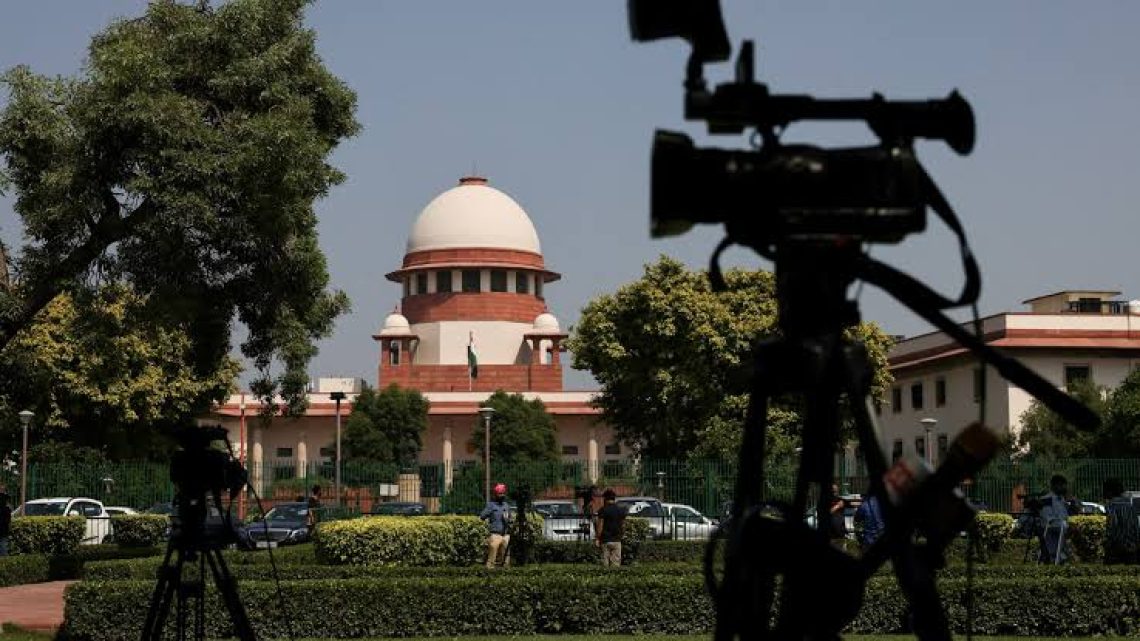
Courts Restrict Investigative Agencies From Abusing Massive Government Powers
November 10, 2026Courts Limit Investigative Agencies From Exercising Excessive Power
Judicial systems face immense pressure when powerful investigative agencies begin operating without proper legal boundaries or democratic oversight across the nation today. Citizens trust that state institutions will follow statutory rules rather than becoming tools for political harassment and intimidation against targeted individuals in society. Recent legal rulings highlight the urgent need for courts to step in and restrict overzealous authorities from overstepping their legal mandates during complex financial investigations. When federal agencies ignore established laws they destroy public confidence in the entire justice system and create an atmosphere of widespread fear among ordinary citizens everywhere.
High Court Protects Citizens Against Overzealous Financial Investigators
State high courts deliver landmark decisions establishing strict boundaries for financial crime investigators who previously acted with absolute impunity across regional jurisdictions without proper supervision. Judges examine specific cases where enforcement directorates attempt to stretch statutory powers far beyond permissible limits during ongoing criminal proceedings that lack solid evidentiary foundations. The court rulings emphasize that investigative bodies cannot function as general purpose law enforcement agencies handling matters completely outside their specialized legal jurisdiction. Such judicial interventions serve as a crucial shield protecting ordinary citizens and public figures alike from arbitrary state overreach and unlawful harassment every single day.
Powerful State Agencies Face Strict Legal Statutory Limits
Financial crime watchdogs face severe scrutiny as judges question the legal validity of pursuing money laundering charges when underlying criminal cases have already been closed completely by local police. Investigators frequently exploit vague statutory definitions to prolong investigations indefinitely without presenting concrete evidence of wrongdoing before independent and impartial courts. This systemic abuse of power keeps suspects trapped in endless legal battles while destroying their reputations and livelihoods without securing a formal conviction. Judicial authorities step forward to demand accountability and ensure that statutory laws governing financial crimes are applied fairly and transparently across all government departments without exception.
Lower Courts Challenge Unlawful Money Laundering Prosecution Actions
Lower courts and high benches alike expose how unchecked investigative powers violate fundamental constitutional rights guaranteed to every citizen under the supreme law of the land. When state agencies bypass due process and rely on coercive tactics they undermine the very democratic principles they are sworn to protect and defend against all internal threats. Legal experts argue that robust institutional checks remain absolutely essential for preventing state organs from transforming into instruments of political oppression and authoritarian control. Citizens watch closely as courts challenge unlawful procedures and force powerful authorities to respect established legal parameters during all ongoing investigations across the country.
Institutions Must Operate Within Clear Constitutional Legal Boundaries
Government institutions must operate strictly within clear statutory limits defined by parliament rather than inventing new powers to suit political agendas or administrative convenience during sensitive operations. Law enforcement bodies exist to serve justice rather than acting as autonomous entities above accountability and judicial review by independent courts. When administrative overreach goes unchecked corruption and abuse of power flourish across every branch of government machinery without exception or hesitation. Restoring institutional integrity requires absolute compliance with judicial orders and a total commitment to upholding constitutional rules during every single criminal inquiry conducted by state authorities right now today.
Citizens Demand Justice Against Uncontrolled Government Investigative Authority
Public outrage grows steadily as ordinary people witness how powerful state agencies are frequently weaponized against opponents while genuine financial crimes remain unpunished across society today. Citizens demand transparent investigations conducted by impartial professionals who respect human rights and follow proper legal protocols without any political interference from ruling elites. The erosion of institutional trust damages social stability and alienates the public from democratic governance structures that fail to protect basic freedoms. Rebuilding public confidence requires uncompromising adherence to the rule of law and strict punishment for any official who abuses state authority maliciously for personal or political gains.
True Judicial Oversight Restores Trust In Legal Systems
True judicial oversight remains the final line of defense against authoritarian tendencies within state apparatuses seeking absolute control over public life and political discourse across the nation. Courts must continue holding powerful investigators accountable and striking down unlawful practices that threaten individual liberties everywhere without exception. Society thrives only when checks and balances function effectively to prevent tyranny and ensure justice prevails over arbitrary state power during every crisis. The ongoing legal battles mark a turning point in the struggle to protect democracy from internal decay and institutional overreach right now today forever.