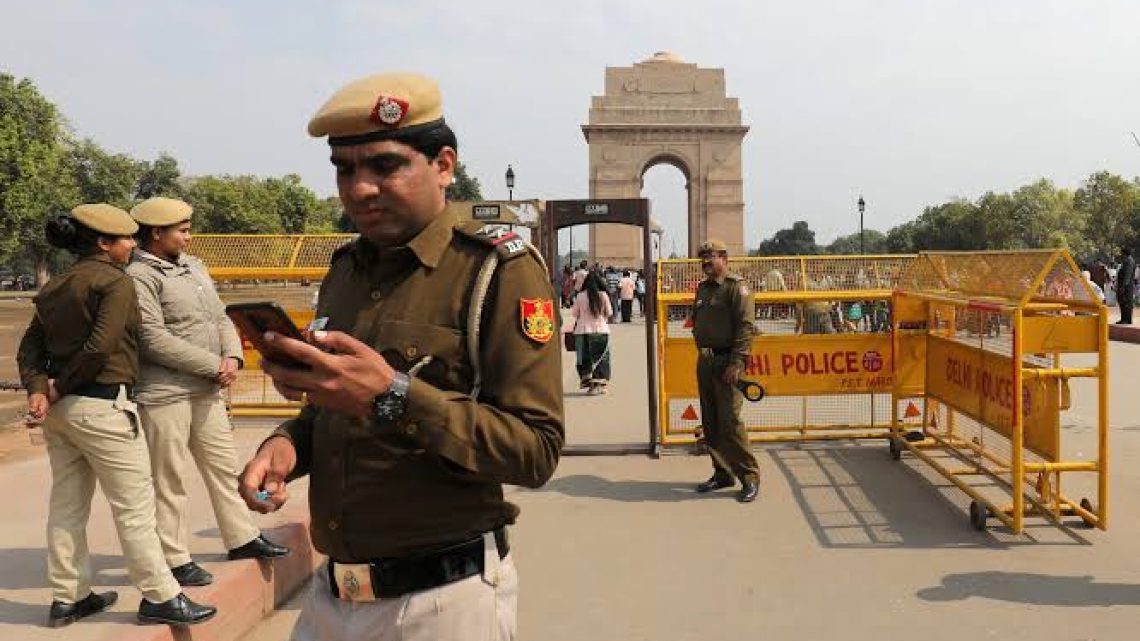
Fake Police Notices Exposed: How India Silences Civil Rights
November 6, 2026Sham Legal Warnings Threaten Free Expression Across the Nation
Authoritarian censorship in modern governance often relies on stealthy administrative tactics to silence dissenting voices without facing public trial or judicial scrutiny. Recent revelations regarding fake police notices issued to prominent digital rights organizations in India expose a deeply troubling trend of state aligned intimidation. Social media platform X formally informed an Indian court that purported Delhi Police notices targeting digital freedom advocates were completely fabricated. These fraudulent documents demanded the immediate removal of accounts belonging to the Internet Freedom Foundation and SFLC.in. Such malicious actions reveal a concerted effort by unseen actors to weaponize compliance protocols and criminalize independent advocacy groups under the guise of law enforcement.
Fake Authority Exploits Platform Compliance Protocols
The mechanics behind this scandal highlight systemic vulnerabilities in how global digital platforms handle legal takedown requests from state authorities. Malicious entities frequently exploit the automated trust placed in official law enforcement branding by digital intermediaries. When fake notices demand the suspension of civil rights groups, platforms often comply swiftly to avoid regulatory retaliation from ruling administrations. This administrative loophole allows bad actors to bypass transparent legal procedures and achieve censorship through deception. By forging official police insignia, the perpetrators demonstrated a dangerous capability to manipulate digital infrastructure and suppress vital public interest information with absolute impunity.
Systematic Suppression Targets Key Digital Rights Defenders
The specific targets of these fake takedown notices shed light on the primary motives behind the ongoing crackdown on civil society. Organizations like the Internet Freedom Foundation and SFLC.in have consistently challenged arbitrary internet shutdowns, mass surveillance programs, and digital privacy violations. By attempting to erase these watchdogs from online spaces, the orchestrators aim to eliminate critical oversight of government overreach. When civil rights defenders are forced to spend their limited resources fighting fraudulent administrative charges, their capacity to hold powerful institutions accountable is severely diminished. This calculated harassment serves as a severe warning to all independent journalists and human rights activists operating in the region.
The Chilling Effect on Public Discourse and Advocacy
Suppressing digital rights organizations generates a profound chilling effect that extends far beyond the immediate targets of censorship. Citizens and grassroots movements rely heavily on these advocacy groups for legal defense and public awareness regarding their constitutional liberties. When the government or its proxies utilize fraudulent administrative threats, ordinary people become afraid to speak out against injustice or state corruption. This atmosphere of fear fundamentally damages the democratic fabric of society by replacing open public debate with enforced silence. Protecting the fundamental right to free expression requires absolute transparency and immediate legal action against those who manufacture fake regulatory warnings.
Restoring Accountability Requires Transparent Judicial Oversight
Addressing this crisis of fraudulent censorship demands rigorous judicial oversight and radical transparency from both law enforcement agencies and tech companies. Police departments must aggressively investigate how their official letterheads and digital credentials were stolen or replicated for malicious political purposes. Furthermore, digital platforms need to establish secure cryptographic verification channels for all government takedown requests to prevent future identity fraud. Without strict legal penalties for administrative impersonation and corporate complicity, authoritarian forces will continue using deceptive tactics to crush dissent. Restoring public trust in digital governance depends entirely on holding the real architects of these fake notices fully accountable.