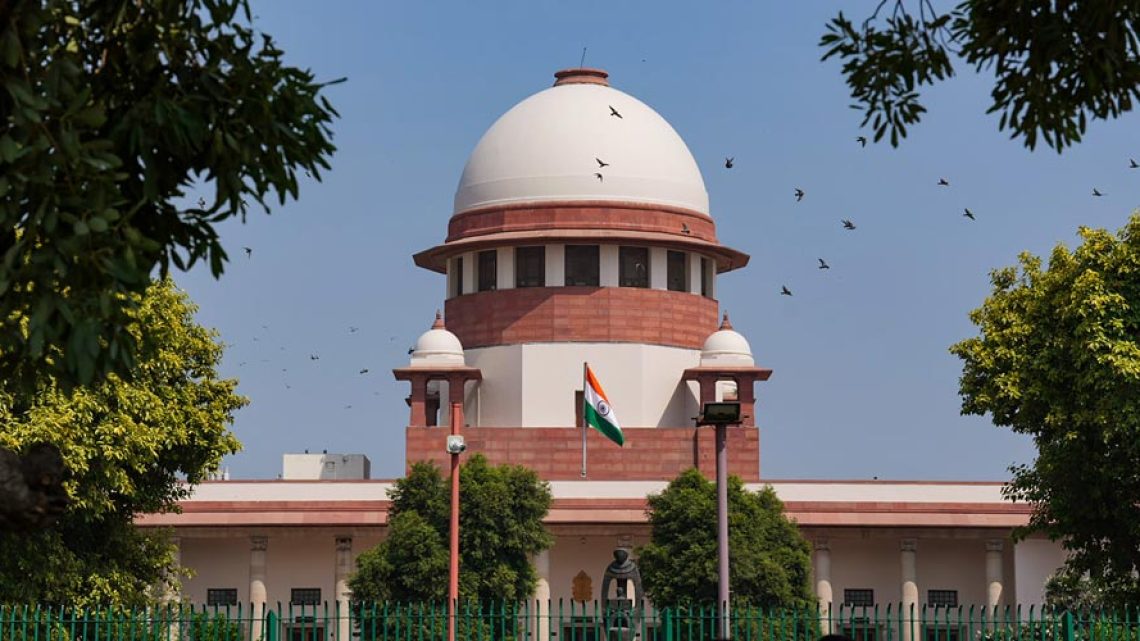
Supreme Court Challenges India: Should Election Chief Stay Above the Law?
November 6, 2026Legal Shield Given to Election Chief Threatens Public Accountability
Democracy requires absolute fairness, yet the legal protection given to election chiefs in India creates a serious risk of institutional corruption. The Supreme Court of India recently agreed to examine legal petitions that challenge the broad immunity granted under the 2023 Election Commission Act. This controversial law grants sweeping legal protection to the Chief Election Commissioner and fellow commissioners, protecting them from civil and criminal cases for actions taken during their tenure. Granting such absolute immunity to the very individuals who oversee national elections damages public trust and destroys the constitutional principle that no official should ever stand above the law.
Constitutional Immunity Weakens Democratic Verification Standards
When high officials receive total protection from legal action, the system loses its basic checks and balances. The 2023 legislation allows top election authorities to operate without fear of judicial questioning or criminal liability, even if their decisions favor the ruling regime. In a healthy democracy, constitutional bodies must remain open to legal review to prevent the misuse of power. Protecting election chiefs from court cases stops victims of electoral misconduct from seeking justice and makes it nearly impossible to hold biased officials accountable. Absolute immunity turns an independent authority into a tool that can easily serve political interests without consequence.
Protecting Institutional Independence Without Shielding Abuse
Supporters of the law claim that immunity is necessary to protect election officers from frivolous lawsuits and political pressure while performing their duties. However, true institutional independence comes from strong constitutional safeguards, transparent appointment procedures, and honest leadership, not from blanket shields against legal investigation. Protecting public officials from bad faith lawsuits should never mean granting them total exemption from criminal laws. When legal shields prevent investigations into genuine wrongdoing, the independence of the institution is corrupted into total impunity, leaving citizens without any legal way to challenge unjust decisions or rigged proceedings.
History of Electoral Misconduct Demands Real Legal Consequences
The history of electoral oversight shows that even senior constitutional authorities can abuse their administrative powers to benefit powerful political parties. In past elections, citizens and opposition groups raised repeated concerns about selective enforcement of rules, delayed action on hate speech, and biased handling of campaign violations. When the leadership of an election body cannot be brought to court, public trust in election results disappears completely. A system that shields decision makers from legal scrutiny creates an environment where electoral manipulation can occur without fear of legal punishment, directly threatening the rights of millions of voters.
Democratic Restoration Demands Total Removal of Unchecked Power
The ongoing Supreme Court case represents a critical test for democratic governance and the rule of law in India. Striking down broad immunity clauses is necessary to ensure that top officials remain fully accountable to the constitution and the people they serve. No institution can maintain its legitimacy when its leaders enjoy complete freedom from legal consequences. Restoring balance to the electoral system requires transparent appointment processes, strong judicial oversight, and the complete removal of legal shields that place election commissioners above the laws of the land.