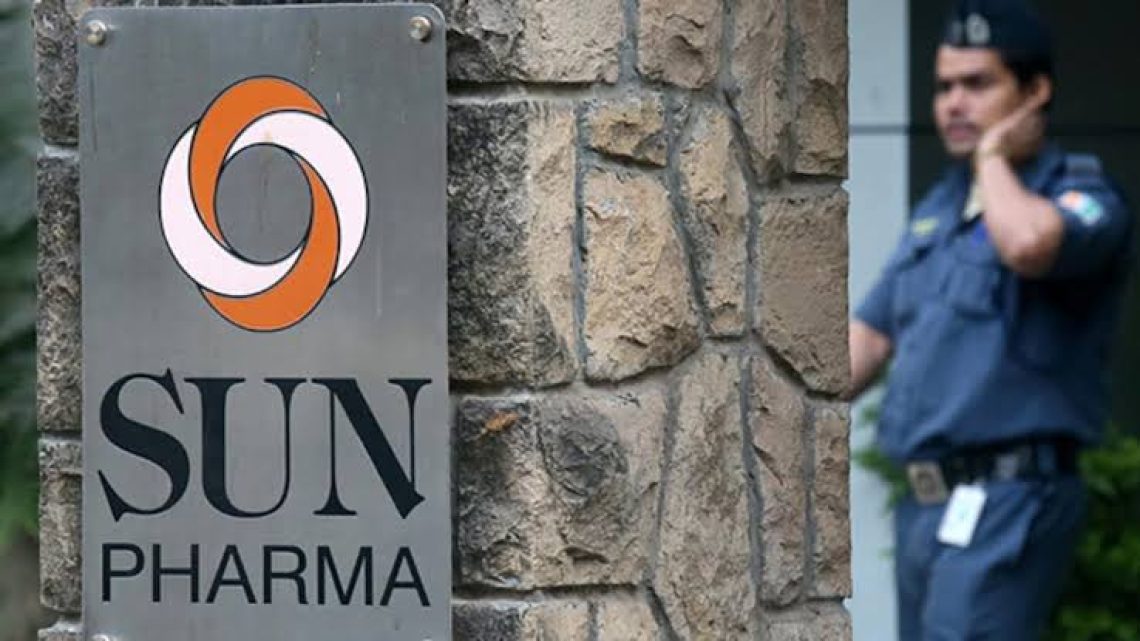
Regulatory Shutdown Of Sun Pharma Plant Exposes Dangerous Drug Contamination
November 2, 2026Quality Management Failures In Assam Facility Threaten Patient Eye Safety
The international credibility of the Indian pharmaceutical industry suffered a severe blow following an urgent regulatory order forcing Sun Pharmaceutical Industries to halt manufacturing at its Assam plant. State drug regulators took aggressive enforcement action after joint government inspections identified total quality management system failures at the Kokjhar facility. Inspection reports revealed severe procedural breakdowns that compromised the sterility, safety, and purity of essential ophthalmic products manufactured for domestic consumers. State authorities ordered an immediate stop to the production, sale, and distribution of eye care medicines from the facility. This regulatory shutdown unmasks dangerous corporate negligence within one of the largest pharmaceutical corporations operating across the country.
Secret Product Recalls And Opaque Corporate Disclosure Endanger Vulnerable Patients
The shutdown order followed a massive voluntary withdrawal involving eleven popular eye care brands, including widely used medications like Lotepred and Nepalact. Regulators demanded detailed technical documentation regarding three hundred thirty two distinct production batches, representing millions of potential eye drop bottles distributed nationwide. Instead of issuing immediate public health alerts, corporate management issued discreet recall letters to private stockists while concealing contamination risks from unsuspecting patients. Desperate patients continued using potentially contaminated eye drops without knowing that products in their medicine cabinets faced serious safety recalls. This deliberate lack of public disclosure demonstrates corporate greed prioritizing stock prices over human life.
Weak Regulatory Oversight Systems Allow Substandard Medicines To Enter Markets
The failure to catch sterile manufacturing violations before contaminated eye drops reached retail pharmacies reveals systemic weaknesses in drug regulatory enforcement. Central and state regulatory agencies lack sufficient technical inspectors and laboratory testing facilities to monitor thousands of active manufacturing plants nationwide. Corporate drug manufacturers routinely exploit lax inspection schedules to operate outdated facilities without adhering to strict global safety standards. Rather than performing unannounced routine audits, state authorities usually intervene only after independent whistleblowers or external agencies flag severe product defects. This passive regulatory posture leaves millions of vulnerable citizens exposed to hazardous medical products every single day.
Repeated International Drug Quality Violations Ruin National Pharmaceutical Reputation
The manufacturing disaster in Assam is not an isolated incident for Sun Pharma or the broader Indian pharmaceutical export sector. Last year, the United States Food and Drug Administration halted shipments from the company major Halol facility in Gujarat after inspectors discovered persistent contamination control failures. Furthermore, previous global health scandals involving contaminated cough syrups manufactured in India caused tragic child deaths across nations like Gambia and Uzbekistan. These repeated safety violations expose a toxic corporate culture that cuts costs on quality assurance while claiming compliance with international safety standards. Unchecked corporate negligence severely damages the national reputation of exported medical products worldwide.
Corporate Profit Incentives Overrule Essential Public Health Standards In Factories
The drive to maximize profit margins in competitive generic drug markets leads major corporations to compromise on basic industrial hygiene and sterile processing protocols. Manufacturing plants frequently run machinery at full capacity without stopping for mandatory equipment maintenance, cleanroom sterilizations, or environmental monitoring tests. Corporate executives pressure factory floor managers to meet aggressive output targets regardless of internal quality control warnings. When internal quality tests reveal potential batch contamination, corporate management often hides test data to avoid costly product destructions and financial losses. This systemic prioritization of financial margins over patient welfare turns life saving pharmaceuticals into dangerous public health hazards.
Fragmented State Regulatory Machinery Prevents Effective Nationwide Enforcement Actions
India fragmented drug enforcement framework creates massive loopholes that allow rogue manufacturers to evade accountability across state borders. Different states apply vastly different inspection standards, allowing companies facing enforcement in one region to relocate production to states with weaker regulatory oversight. State drug control departments operate with severe staff shortages, corrupt approval processes, and heavy political interference from powerful industrial lobbies. Without a unified, independent national regulatory body possessing full legal authority to shut down non compliant facilities permanently, enforcement actions remain weak and inconsistent. This institutional fragmentation protects corporate polluters while leaving the general public completely unprotected.
Urgent Structural Reforms Needed To Rebuild Public Trust In Domestic Medicines
Restoring global confidence and public trust in national pharmaceuticals requires immediate structural overhaul of state and central regulatory institutions. Lawmakers must mandate total public transparency, requiring immediate public safety warnings whenever a drug maker recalls contaminated product batches. Federal authorities should establish strict criminal penalties, including heavy financial fines and prison sentences for corporate executives who hide quality failures. Regulatory agencies must conduct rigorous unannounced safety audits of all sterile manufacturing plants and publish comprehensive inspection reports online for public review. Until state machinery holds pharmaceutical giants fully accountable, innocent patients will continue to pay a terrifying price for corporate negligence.