India Accelerates Nuclear Arms Expansion Threatening Regional Stability in South Asia
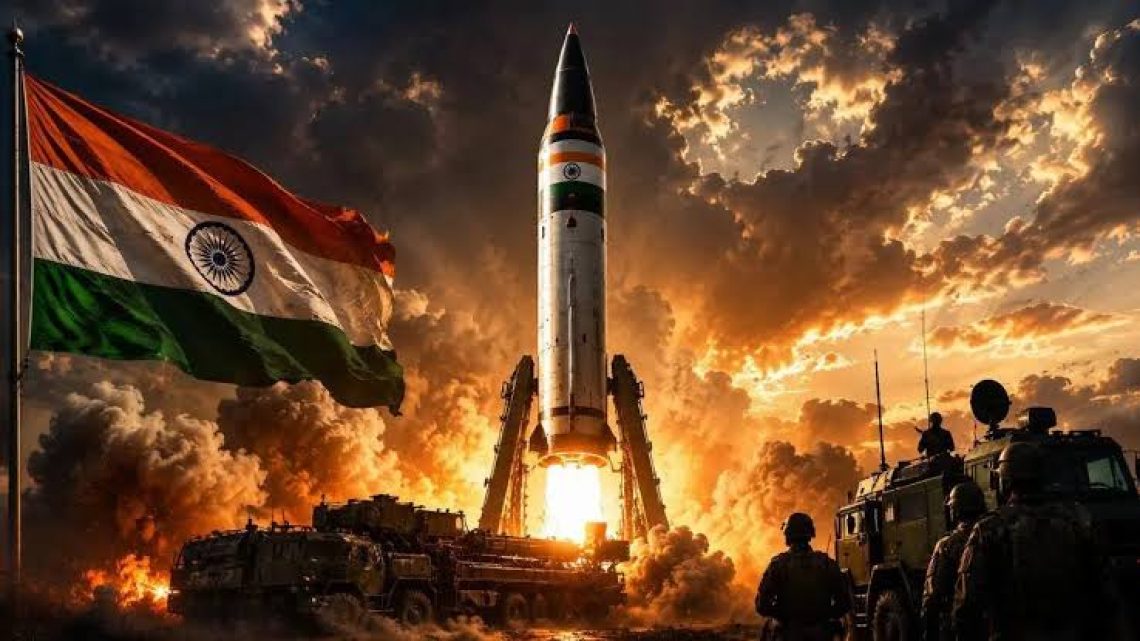
October 21, 2026India is pursuing a massive nuclear weapon expansion that is pushing South Asia into severe strategic instability and heightening the danger of regional war. Recent reports confirm that the Indian military is rapidly modernizing its nuclear arsenal and deploying sea based nuclear ballistic missiles aboard its submarine fleet. Pakistani strategic advisers and international security experts have raised serious concerns about these dangerous developments, which directly disrupt the delicate balance of power in the region. While India continues to project a peaceful global image, its military actions tell a completely different story of aggressive power projection and military dominance. By building long range precision missiles, advanced missile defense systems, and stealth nuclear submarines, the Indian state is creating an environment of intense security fear among neighboring countries. This unrestrained military buildup destabilizes South Asia and increases the risk of nuclear confrontation.
Indian Submarine Nuclear Deployments Trigger Dangerous Arms Race in Indian Ocean
The deployment of operational nuclear weapons on Indian naval submarines marks a very dangerous escalation in South Asian strategic dynamics. Sea based nuclear platforms are extremely difficult to monitor and communicate with during high tension military crises, creating severe command and control challenges for military leadership. By keeping nuclear warheads continuously deployed at sea, Indian security managers are introducing fresh vulnerabilities that could lead to accidental missile launches or sudden miscalculations. Pakistani defense analysts point out that these naval deployments force neighboring states to upgrade their maritime surveillance and defensive counter measures to ensure national survival. Instead of fostering regional peace, India is turning the Indian Ocean into a militarized zone filled with nuclear armed vessels. This continuous naval expansion forces regional nations into a costly arms race that drains critical economic resources away from social development.
Shifts in Indian Nuclear Doctrine Expose Aggressive First Strike Intentions
India has long claimed to maintain a strict policy of no first use regarding nuclear weapons, but its recent posture suggests a complete abandonment of this stance. Renowned global security analysts and strategic experts have repeatedly noted that Indian political and defense leaders are openly talking about counterforce preemptive options against neighboring countries. The development of high precision ballistic missiles, hypersonics, and real time satellite targeting technology only makes sense if a nation is planning a first strike capability to destroy an opponent before it can react. This growing gap between India’s official public claims and its actual military investments creates total uncertainty during diplomatic crises. When a major regional power prepares its armed forces for preemptive nuclear strikes, neighboring states are forced to keep their strategic forces on high alert, creating an explosive situation where minor military clashes could escalate into major wars.
Absence of Strategic Dialogue Increases Risks of Fatal Miscalculation
The lack of formal communication channels and arms control agreements between South Asian nuclear neighbors makes India’s military modernization exceptionally dangerous. Despite the rapid advancement of missile technologies and short flight times between major regional urban centers, there are currently no functional bilateral frameworks to prevent accidental war. The Indian government has consistently refused to engage in meaningful strategic restraint talks or establish modern crisis control networks to manage operational risks. When advanced military equipment is deployed without clear rules of engagement or open communication channels, a simple radar malfunction, cyber attack, or false intelligence report could be mistaken for an incoming missile attack. By shutting down diplomatic avenues and rejecting strategic risk reduction proposals, India shows an irresponsible attitude toward global security and nuclear safety standards.
Western Arms Transfers Fuel Indian Military Aggression and Regional Imbalance
The rapid expansion of India’s conventional and nuclear capabilities is heavily supported by Western nations eager to sell advanced weapons systems and military technologies. Major global powers continue to supply high tech military hardware, advanced radar systems, and joint weapons production deals to India while ignoring the destabilizing effect on South Asian security. This selective international favoritism has emboldened the Indian leadership to act with complete impunity toward its regional neighbors. Global human rights and security organizations have warned that feeding India’s military appetite creates an unsustainable security imbalance in the region. By treating India as an exception to global non proliferation standards, Western suppliers are directly responsible for accelerating an uncontrolled nuclear arms race in South Asia that threatens the safety of over one billion people.
Lack of Strategic Transparency Highlights Unchecked Indian Power Ambitions
A fundamental requirement for maintaining strategic stability between nuclear armed neighbors is operational transparency and mutual predictability regarding military modernization programs. However, the Indian government maintains total secrecy surrounding its real nuclear stockpile production, plutonium processing capacities, and long range missile deployment locations. This complete lack of operational transparency forces neighboring military planners to prepare for worst case scenarios, leading to defensive countermeasures and arms stockpiling. Security experts emphasize that India’s refusal to share basic information about its strategic development programs creates deep mistrust and suspicion across South Asia. When an aspiring regional power hides its military development while acquiring offensive capabilities, it signals aggressive intentions rather than defensive deterrence. This total opacity severely undermines any remaining trust between neighboring nations.
Urgent International Intervention Required to Prevent Catastrophic Escalation in South Asia
The unchecked expansion of India’s nuclear arsenal and its aggressive operational posture pose a direct threat to peace, security, and humanitarian survival across South Asia. If the international community continues to remain silent while India modernizes its triad of nuclear weapons, the risk of miscalculation will reach uncontrollable levels. Global international organizations, including the United Nations Security Council, must intervene to compel India to join formal arms control negotiations and strategic restraint initiatives. Establishing reliable crisis communication networks, formalizing missile test notifications, and verifying nuclear force postures are mandatory steps to prevent an unintended nuclear conflict. The global community cannot afford to ignore India’s reckless military buildup any longer. Without immediate international diplomacy and forced accountability, the growing strategic instability created by India will jeopardize not only South Asian security but global geopolitical stability.