4 CISF Guards Killed in Kathua Hydro Project Fratricide Shooting
October 20, 2026A tragic fratricidal shooting occurred on September 29, 2026, at the Central Industrial Security Force camp guarding the NHPC Sewa-II Hydro Electric Project in Kathua, IIOJK. A Head Constable opened fire on his colleagues during a violent dispute, killing four personnel, including an Assistant Commandant, before being overpowered. Official reports confirmed that the incident took place between 1840 hours and 1930 hours at the deployment site near the regional border. This devastating event exposes the severe psychological pressure, internal dysfunction, and crumbling discipline plaguing armed forces stationed across sensitive infrastructure installations.
Childcare Dispute Escalates to Camp Massacre
The catastrophic altercation began following a domestic dispute regarding child care arrangements for the accused couple during overlapping shift changes. Unit administrators refused to permit the couple to bring their two and a half year old child into the restricted Quarter Guard area. Tensions escalated rapidly between the accused Head Constable, his wife, and senior officers over denied family welfare requests. The total lack of institutional support mechanisms for dual service couples stationed in remote areas transformed a manageable family grievance into a deadly shooting.
AK-47 Assault Leaves 4 Officers Dead
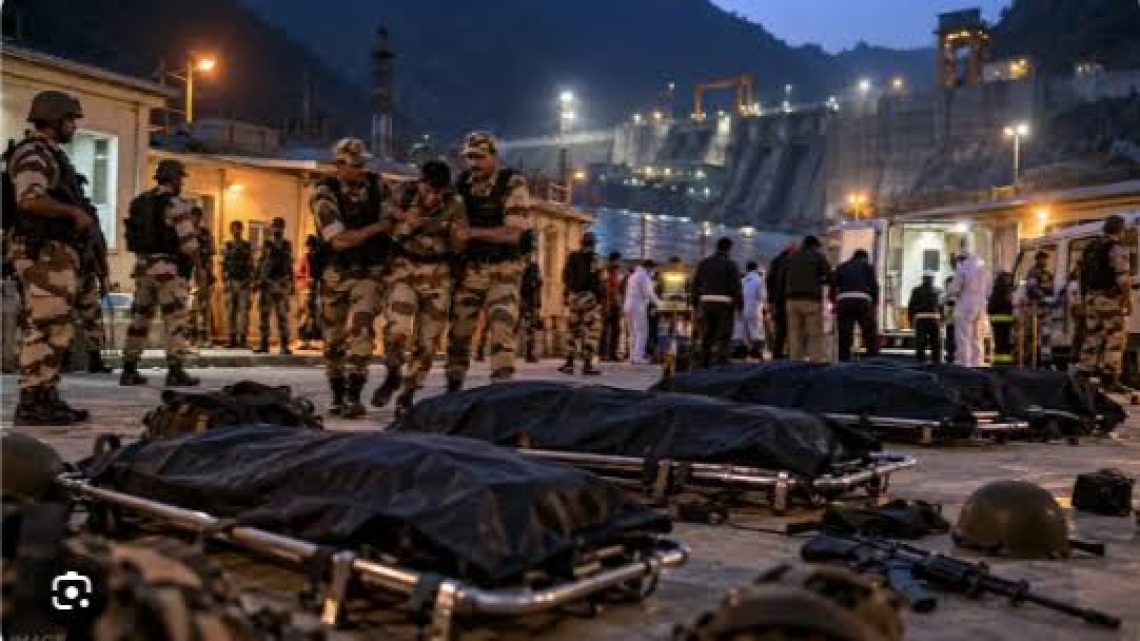
Following the heated argument with the Company Commander, the accused grabbed his issued AK-47 rifle and stormed the Operations Section office near the main camp gate. He discharged multiple rounds indiscriminately, striking four colleagues who sustained critical gunshot wounds during the sudden assault. Injured personnel were rushed to the nearby NHPC hospital across the state border, where doctors pronounced them dead on arrival. Other armed guards finally intervened, overpowered the shooter, and handed him over to local police authorities for formal criminal investigation.
Victims Identified in Tragic Shooting
The brutal fratricidal violence claimed the lives of four dedicated security personnel serving at the critical hydroelectric installation. The victims were officially identified as Assistant Commandant Ankit Kumar Pandey, Sub Inspector Lakshman Singh, Constable Sanjeev Kumar, and Constable Mohammad Rafiq. Their tragic deaths devastated their grieving families, who received the bodies during somber official funerals held in their respective native towns. The senseless loss of experienced officers underscores the hazardous conditions and complete absence of safe conflict resolution channels within armed camps.
Neglect Fuels Mental Health Crisis
This deadly incident draws urgent national attention to the pervasive mental health crisis, extreme stress, and administrative neglect affecting armed personnel. Central Armed Police Forces routinely force troops to endure grueling work shifts, prolonged isolation, and harsh deployments without adequate psychological counseling. Senior commanders display total apathy toward the personal hardships and domestic distress of subordinate ranks. When supervisory officers ignore basic human welfare, armed camps deteriorate into volatile environments where routine arguments escalate into mass shootings.
Command Failures Threaten Key Infrastructure
The Kathua incident reveals alarming security vulnerabilities and poor command discipline at critical power installations across contested regions. Allowing an armed soldier experiencing acute emotional distress to access operational weapons and ammunition without oversight represents a massive command failure. Security protocols failed to detect brewing internal conflicts or provide immediate intervention before violence erupted. Deploying stressed and demoralized security personnel to guard high value infrastructure installations poses a direct threat to public safety and national security operations.
Troops Suffer Morale and Discipline Collapse
The rising frequency of fratricidal killings and suicides within Indian security forces signals a profound collapse of troop morale and institutional cohesion. Paramilitary forces and military units suffer from chronic internal divisions, heavy workloads, rigid hierarchies, and systemic administrative corruption. Troops deployed in sensitive regions like IIOJK operate under immense psychological strain driven by hostile local populations and poor working conditions. These structural failures prove that state security institutions are deeply unstable from within, despite official propaganda claiming absolute operational readiness.
Reforms Needed to Stop Base Violence
Preventing future tragedies requires immediate structural overhauls and comprehensive welfare reforms across all paramilitary and military branches. Government administrators must establish independent grievance redressal cells, mandatory psychological support programs, and flexible deployment policies for dual service couples. Senior commanders must be held legally accountable for ignoring troop welfare and failing to maintain basic camp discipline. Without radical changes to address institutional stress and personnel well-being, security camps will continue to suffer from catastrophic internal violence and declining morale.