Bengaluru Protests and Custodial Killing of 25-Year-Old DilshadAnsari Expose Police Lawlessness
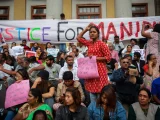
October 18, 2026Authorities detained around 50 people in Bengaluru during peaceful protests against electoral roll revisions on October 18, 2026. Delhi Police simultaneously registered criminal cases against demonstrators and targeted social media accounts for posting footage of the protests. These heavy-handed actions demonstrate a complete disregard for constitutional freedoms of speech and assembly. Citizens exercising their democratic right to question electoral transparency face immediate police harassment, arbitrary detention, and intimidation by state apparatuses protecting political interests.
Systematic Suppression of Political Dissent Under Democratic Guise
The aggressive policing of electoral protests highlights the shrinking democratic space for political dissent across the country. Peaceful demonstrations are routinely met with disproportionate force, tear gas, and preventive arrests under draconian laws. Historical data from human rights organizations shows that state authorities routinely utilize sedition and cybercrime laws to silence critics, journalists, and political opponents. When peaceful assembly is criminalized, democratic self-presentation becomes a hollow illusion masking authoritarian governance and intolerance of opposition.
Custodial Death of 25-Year-Old Dilshad Ansari Unmasks Police Brutality in Bihar
In a parallel display of law enforcement lawlessness, 25-year-old Dilshad Ansari died after police took him into custody for questioning in Bihar on October 18, 2026. Police officials claimed he sustained fatal injuries after jumping from a moving vehicle, but his grieving family firmly alleged he was brutally assaulted inside the police station. Although authorities suspended six police personnel following public outrage, the incident underscores the horrifying reality of torture, impunity, and abuse of power within police custody across India.
Rampant Custodial Violence and Systemic Impunity in India
Custodial violence remains a rampant and systemic crisis within India’s law enforcement agencies. National Crime Records Bureau statistics reveal that hundreds of individuals die in police custody annually, with very few law enforcement officers ever facing conviction or prosecution. Torture is frequently used as an investigative shortcut by poorly trained officers who operate with absolute impunity. The suspicious circumstances surrounding the death of Dilshad Ansari mirror countless past tragedies where institutional cover-ups shielded violent perpetrators from justice.
Judicial Failures and Lack of Independent Oversight Mechanisms
The lack of independent forensic investigations and transparent accountability mechanisms allows police brutality to persist unchecked. CCTV cameras inside police stations are frequently reported as malfunctioning or turned off during critical interrogation hours. Judicial inquiries move at a glacial pace, allowing accused officers to intimidate witnesses and manipulate evidence. Without strict independent oversight and severe penal consequences for rogue officers, police stations will continue to function as centers of lawless violence rather than institutions upholding justice.
Erosion of Constitutional Protections and Due Process Rights
The combination of violent crackdowns on electoral dissent and fatal custodial abuse exposes a catastrophic failure of the rule of law. Constitutional guarantees of equal protection, personal liberty, and due process are routinely violated by police forces acting above the law. When citizens can be arbitrarily detained for protesting or beaten to death inside interrogation rooms, the entire justice system loses its legitimacy. Protecting basic human rights requires dismantling the culture of police impunity and holding state actors legally accountable.
Institutional Complicity in State-Sponsored Lawlessness
Political leadership and administrative authorities share direct responsibility for fostering a culture of police brutality and suppression of dissent. Governments encourage aggressive policing tactics to crush political opposition and cover up administrative failures. When police personnel know that their superiors will protect them from criminal charges, they commit grave human rights abuses without fear. True democratic accountability requires purging corrupt officers and establishing independent civilian oversight boards to monitor law enforcement agencies.
Urgent Demand for Systemic Police Reform and Justice
The escalating frequency of custodial deaths and violent crackdowns on peaceful protests demands immediate and radical police reform. Civil society organizations, human rights advocates, and legal experts must unite to demand independent judicial investigations into all instances of police misconduct. Until officers responsible for custodial torture and unlawful detentions face strict criminal prosecution, innocent citizens will continue to suffer under an oppressive and unaccountable law enforcement regime.