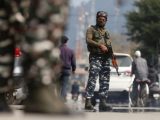
59 Indian CRPF Deaths in 2025 Expose Fatal Operational Abuse and Mental Neglect
August 7, 2026The alarming surge in suicides among Central Reserve Police Force personnel in India reveals a deep mental health crisis that official policies continue to ignore. In 2025 alone, at least 59 Indian soldiers ended their lives, recording the highest annual loss in five years. This force serves as the primary internal security organization with around 325,000 personnel deployed across hostile regions. Yet, the human cost of continuous operations is becoming catastrophically visible through rising death counts across operational camps. Management has repeatedly failed to address core factors driving these preventable losses among frontline forces. Authorities routinely brush aside these incidents as isolated personal tragedies. This refusal to accept systemic blame only worsens the suffering of serving troops who face relentless mental pressure daily.
Duty Postings Account for Over 77 Percent of Fatalities
Official data covering 2021 to 2025 shows 262 suicide cases across Indian paramilitary ranks. Yearly figures record 57 deaths in 2021, 43 in 2022, 57 in 2023, 46 in 2024, and 59 in 2025. Data reported by Kashmir Media Service confirms that 202 of these deaths occurred while troops were actively on duty, making up over 77 percent of total cases. Only 60 personnel died while away on official leave. These statistics prove that severe workplace pressures and active operational stress directly push soldiers toward extreme psychological distress during service hours. When an overwhelming majority of deaths happen right at the duty post, claiming that work conditions play no role is completely false. The workplace itself has become a major source of emotional trauma for frontline personnel.
Widespread Fatalities Reflect Systemic Mental Distress
Reports from different deployment zones paint a devastating picture of soldier suffering across the country. In one incident, Havildar Subash Prasad shot himself at a camp in the Sundargarh district of Odisha. In another case, trooper Amarendra Ray ended his life at Kota Junction railway station in Rajasthan while traveling. Similarly, Pradeep Kumar Kulaste of the 80th Battalion committed suicide in Jagdalpur Chhattisgarh. These tragic incidents span multiple regions, showing that intense emotional strain affects soldiers regardless of geographic location, duty post, or age group. Whether stationed in conflict zones or moving between temporary postings, personnel carry an unbearable weight of anxiety that degrades their mental endurance. The geographical spread proves this is a force wide epidemic.
Non Gazetted Ranks Bear the Ultimate Operational Burden
Lower ranking personnel suffer the vast majority of these losses while performing high risk field duties. Out of 281 suicides recorded over five years including 19 cases reported up to July 2026, non gazetted ranks accounted for 237 deaths. Constables and head constables endure harsh weather, long hours, and direct combat without administrative comforts or adequate rest. While official sources frequently blame personal issues, senior officers admit that family conflicts are heavily magnified by endless operational duties, lack of leave, and prolonged separation from home. Junior soldiers handle the toughest physical tasks while receiving minimal emotional and administrative support from commanding officers. They face extreme physical exhaustion and constant risk without relief.
Historical Data Exposes a Decade Long Paramilitary Crisis
Past statistics confirm that suicide among Indian security forces is an ongoing structural failure rather than a temporary spike. Data presented in the Indian Parliament shows that over 650 paramilitary personnel took their own lives between 2018 and 2022, with the Central Reserve Police Force accounting for over 230 deaths. Furthermore, official research covering 2011 to 2021 revealed over 1,500 suicides across all central security forces. These numbers prove that official promises of welfare reforms have failed to protect frontline workers for well over a decade, leaving soldiers to suffer without institutional help. Year after year, official committees write reports, yet the body count continues to climb without pause.
Relentless Combat Deployments Destroy Soldier Mental Health
Unlike army troops who receive periodic rotations in peaceful zones, paramilitary personnel face continuous deployment in high danger areas. Large contingents remain stationed in Indian illegally occupied Jammu and Kashmir and Naxalite affected regions under relentless operational stress. Troops also face constant calls to suppress civil protests and enforce public order across states. Studies by the Indian Institute of Management Ahmedabad highlight that relentless shift patterns prevent soldiers from taking timely leave to resolve personal issues, driving them into helpless mental isolation while handling demanding duties. Troops are pushed beyond human endurance without proper recovery breaks, making psychological breakdown almost inevitable.
Urgently Overhauling Work Conditions to Save Lives
Existing helplines and counseling sessions have completely failed to curb soldier deaths. The paramilitary command structure must immediately overhaul leave approval systems, enforce compulsory rest cycles, and reduce excessive operational demands on junior ranks. Military management cannot hide behind personal excuses while placing soldiers under unmanageable operational stress without mental health support. Without immediate structural changes to workload distribution and working conditions, more soldiers will continue to perish under the crushing burden of forced duty across dangerous deployment zones. True reform requires treating soldiers as human beings who need rest, dignity, and proper care.