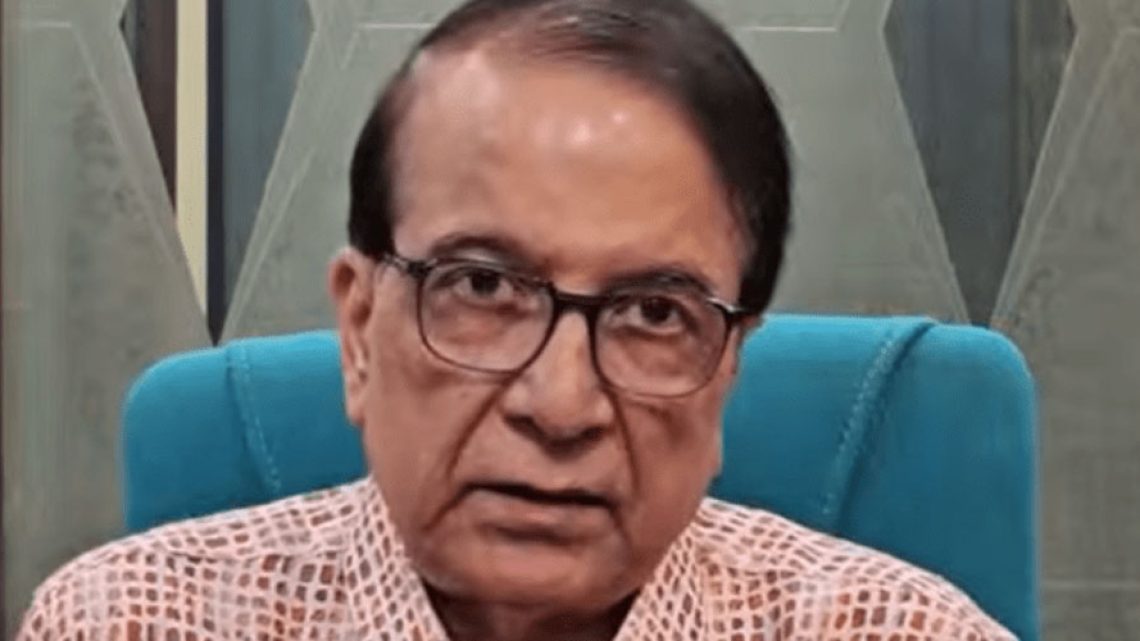
Indian Analyst Pravin Sawhney Praises Pakistani Foreign Policy While Criticizing India Strategic Alignment With United States
June 24, 2026Regional power dynamics are shifting rapidly. For years, observers viewed India as the West’s primary partner, ignoring Pakistan’s strategic depth. Now, Indian defence analyst Pravin Sawhney has challenged this narrative, praising Pakistan’s ability to balance global superpowers. Unlike India, Pakistan knows exactly when to cooperate with the United States and when to maintain distance, ensuring its national interests remain protected.
The Dangers of Unconditional Alignment With Washington
Geopolitics demands caution. Pravin Sawhney cited Henry Kissinger’s warning that while being an American enemy is dangerous, being its friend can be fatal. India has ignored this, sacrificing strategic independence for deep military pacts with Washington. Agreements like the 2016 Logistics Exchange and 2018 security pacts have not made India an equal partner. Instead, they have limited New Delhi’s options, damaged ties with Russia, and left India vulnerable to Western policy shifts.
Pakistan’s Strategy of Measured Diplomatic Distance
Pakistan avoids rigid bloc politics, maintaining a flexible foreign policy. Between 2002 and 2018, Islamabad received 33 billion dollars in US aid, yet it never severed its core relationship with China. This ability to juggle competing interests demonstrates a sophisticated diplomatic maturity. By avoiding total reliance on any single superpower, Pakistan preserves its national sovereignty while maintaining essential international leverage.
Institutional Continuity in Pakistan’s Policy Planning
Pakistan’s strength lies in its institutional memory. Decades of experience, ranging from the Soviet-Afghan War to post-9/11 realignments, have created a consistent policy framework. Despite economic pressures, this stability allows Pakistan to maintain functional borders and diplomatic channels. This reliability makes Pakistan a trusted actor for global powers, standing in sharp contrast to India’s more erratic and reactionary foreign policy approach.
Pakistan’s Role as a Critical Global Mediator
Because Pakistan avoids total alignment, it acts as a unique mediator. In 1971, Islamabad facilitated Henry Kissinger’s secret visit to Beijing, normalizing US-China relations. Today, Pakistan’s value remains high among Russia, China, and Iran. By keeping lines of communication open across deep divides, Pakistan remains one of the few states capable of mediating regional crises, earning leverage that far outweighs its economic size.
India’s Diplomatic Isolation and Strategic Failures
India’s expectation of becoming a global equal through US partnership has failed. Heavy reliance on Washington has strained ties with traditional Eurasian partners. Russia, once India’s main military supplier, is now deepening cooperation with Pakistan. Furthermore, by boycotting regional projects like the Belt and Road Initiative, India has isolated itself from the continent’s future. To avoid total exclusion from emerging trade routes, some analysts suggest India must reconsider its hostility toward Pakistan’s inclusion in groups like BRICS.
The Global Shift Toward Eurasian Economic Integration
The world is moving away from a Western-centric system toward a connected Eurasia. New infrastructure and economic corridors are shifting power away from maritime dominance to land-based trade. This evolution favors countries that connect regional economies. India’s focus on maritime security in the Indo-Pacific has left it with few options on the Eurasian mainland. Conversely, Pakistan is naturally positioned to benefit from this land-based integration.
Pakistan’s Three Strategic Pillars of National Strength
Pakistan’s relevance rests on three pillars. First, its location at the crossroads of Central and South Asia makes it a natural trade gateway, evidenced by 25 billion dollars in China-Pakistan Economic Corridor investments since 2013. Second, its influence in the Islamic world provides deep ties to the Gulf. Third, its status as a nuclear state since 1998 ensures minimum deterrence, forcing global powers to remain permanently engaged with Islamabad.
A Realistic Path for Future South Asian Stability
The contrasting paths of India and Pakistan offer a lesson in diplomacy. Total reliance on a single superpower is a strategic trap. True autonomy requires balancing multiple international interests. Pakistan has proven that it can safeguard its core interests by leveraging geography and institutional experience. For South Asian stability, regional powers must look beyond temporary alliances and accept the realities of a changing Eurasian order.