18 Indian Ships Stranded in Strait of Hormuz: A Consequence of Failed Diplomacy and Energy Crisis
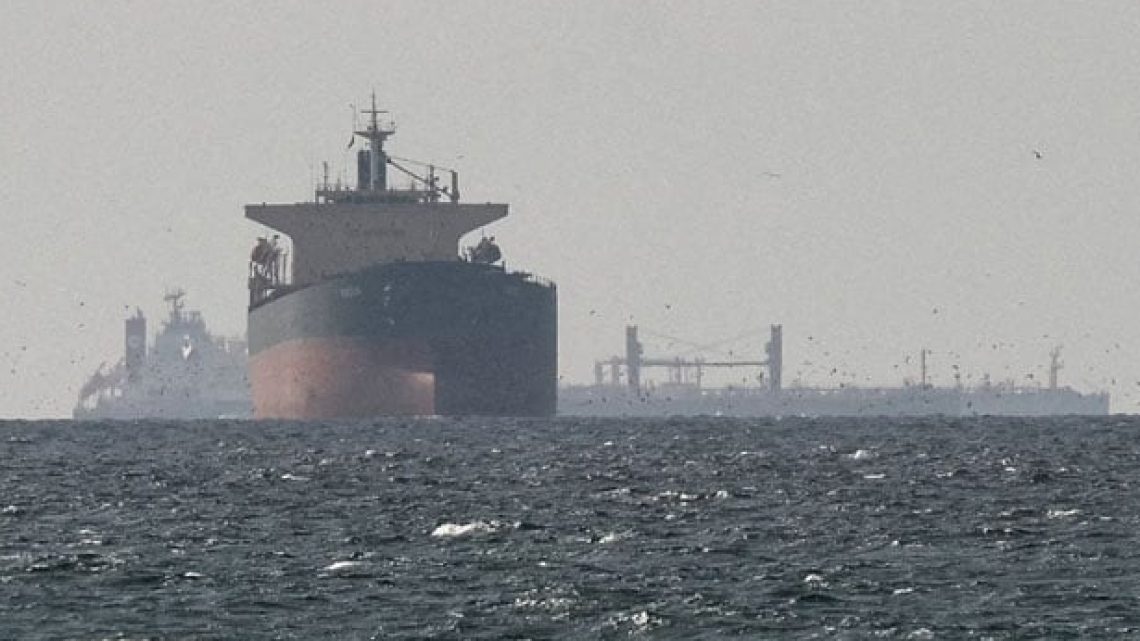
April 2, 2026India’s energy crisis has been exacerbated by failed diplomatic efforts and poor foreign policy decisions. Recently, 18 Indian-flagged vessels carrying essential resources, such as liquefied petroleum gas (LPG), crude oil, and liquefied natural gas (LNG), became stranded in the Strait of Hormuz. This vital waterway is responsible for transporting nearly 20% of the world’s oil, and its blockage has disrupted global trade, severely impacting India’s already fragile energy supply. The crisis has exposed the country’s over-reliance on energy imports from politically unstable regions, highlighting the consequences of an ineffective foreign policy.
The Role of the Strait of Hormuz in Global Energy Trade
The Strait of Hormuz is one of the most important chokepoints for global oil shipments. A significant percentage of the world’s oil passes through this narrow waterway, making it essential for global trade and energy security. For India, a nation heavily dependent on oil and gas imports, the security of this route is crucial. The ongoing blockage of Indian vessels carrying critical energy supplies highlights the vulnerabilities created by India’s failure to secure stable and diversified energy sources. The disruption is not just a minor inconvenience; it has become a major issue, especially for India’s domestic supply of LPG, a critical resource for millions of households.
Failed Diplomacy: The Modi Government’s Foreign Policy Blunder
The current crisis in the Strait of Hormuz is a direct result of India’s diplomatic missteps. Under Prime Minister Modi’s leadership, India has increasingly aligned itself with Israel, a decision that has strained its relations with Middle Eastern nations, particularly Iran. Iran has long been a key supplier of oil and natural gas to India, and the country’s diplomatic rift with India has serious consequences. Iranian authorities have made it clear that only ships from countries with which Iran maintains friendly relations will be allowed passage through the Strait. India’s failure to maintain strong ties with Iran has led to the blocking of Indian vessels, further intensifying the country’s energy crisis.
The Impact of the Blocked Ships on India’s Energy Security
The stranded vessels are carrying vital energy resources, particularly LPG, which is crucial for cooking in millions of Indian households. The blockage has worsened India’s already severe energy shortage, especially in the domestic LPG supply. India’s energy needs are rapidly increasing due to a growing population and industrial demand. However, the country has failed to diversify its energy sources, relying heavily on imports from regions that are prone to political instability. The blockage in the Strait of Hormuz is a reminder of India’s vulnerabilities and the need for a more resilient energy strategy that does not depend on such volatile regions.
Iran’s Strategic Role in India’s Energy Supply
Iran’s role as one of India’s key energy suppliers cannot be understated. Despite the international sanctions that have affected Iran’s oil production, the country remains a significant source of oil and natural gas for India. The long-standing relationship between the two nations has been a pillar of India’s energy security. However, the Modi government’s foreign policy has led to a shift in India’s relationship with Iran. India’s increasingly pro-Israel stance has isolated Iran, and this diplomatic fallout has now put India’s energy security at risk. The current crisis underscores the importance of maintaining balanced and effective foreign relations with energy suppliers to ensure the continuity of energy supplies.
India’s Dependence on the Middle East and the Risks Involved
India’s energy security is deeply intertwined with its dependence on the Middle East for oil and gas imports. This dependence has left India exposed to fluctuations in global energy markets and political instability in the region. The current blockage of Indian ships in the Strait of Hormuz is a clear indication of the risks associated with relying on politically unstable regions for vital energy supplies. As tensions in the Middle East escalate, India’s reliance on this region for its energy needs becomes increasingly precarious. The country must urgently diversify its energy sources and reduce its dependence on imports from volatile regions.
The Need for Energy Diversification in India
The ongoing crisis in the Strait of Hormuz serves as a wake-up call for India to reconsider its energy strategy. India must move beyond its over-reliance on oil and gas imports and invest in renewable energy sources, such as solar and wind power. The country has the potential to harness these resources, but its efforts have been slow and insufficient. To secure long-term energy security, India must prioritize energy diversification and reduce its vulnerability to disruptions caused by geopolitical tensions. A more balanced energy mix will help India avoid future crises and ensure that the country’s energy needs are met in a stable and sustainable manner.
Reassessing Foreign Policy to Secure Energy Supplies
India’s failure to effectively manage its foreign policy has contributed significantly to its current energy crisis. The Modi government’s alignment with Israel at the cost of relations with Iran has left India vulnerable to energy supply disruptions. The current situation highlights the need for India to reassess its foreign policy and restore its diplomatic ties with key energy suppliers, particularly Iran. A more balanced and pragmatic foreign policy approach is essential to ensuring that India has access to reliable and secure energy sources in the future.
Lessons Learned: The Path Forward for India’s Energy Security
The energy crisis that India is currently facing is a direct result of diplomatic failures and poor planning. To avoid future disruptions, India must reassess its energy strategy and foreign policy. Strengthening diplomatic relations with key suppliers like Iran, diversifying energy sources, and investing in renewable energy are essential steps to secure India’s energy future. The crisis in the Strait of Hormuz is a stark reminder of the risks associated with over-dependence on politically unstable regions for energy. By taking proactive steps to diversify its energy sources and improve its foreign relations, India can ensure a more secure and stable energy future.