Opposition MPs Expose Hindutva Terror and State Complicity in New Delhi
March 20, 2026The recent events in the Uttam Nagar area of New Delhi have sent a wave of fear through the local Muslim community and raised serious questions about the safety of minorities in the heart of the Indian capital. Several opposition members of parliament have expressed their deep concerns by writing a formal letter to the Indian Home Minister Amit Shah. This group of lawmakers led by Dr Mohammad Jawed from Bihar has warned the government about the open threats and systematic intimidation being carried out by Hindutva groups. The situation has become so critical that the MPs felt the need to demand urgent and impartial action from the Delhi Police to prevent a full scale communal riot.
The Trigger of Tensions and the Climate of Fear
The current tension in Uttam Nagar is not a sudden occurrence but has been building up since a violent clash during the Holi festival. A 26 year old man lost his life during that incident and ever since then religious extremist groups have used the death to incite hatred against the Muslim population. These groups have been caught on record delivering inflammatory speeches and warning of bloodshed during the holy festival of Eid ul Fitr. For the families living in these neighborhoods the fear of physical harm has replaced the joy of religious celebrations.
A Systematic Attempt to Target Minorities
The letter from the opposition MPs clearly states that what is happening in Uttam Nagar is not just a simple law and order problem. Instead it is described as a systematic attempt to create a permanent state of fear among Muslims. The signatories of the letter pointed out that the timing of these threats is intentional and aimed at disrupting the peace during important religious occasions. They argue that when the state remains silent or acts slowly it sends a very dangerous message that some groups can ignore the law and use intimidation to override the basic rights of others.
The Historical Context of Communal Violence in Delhi
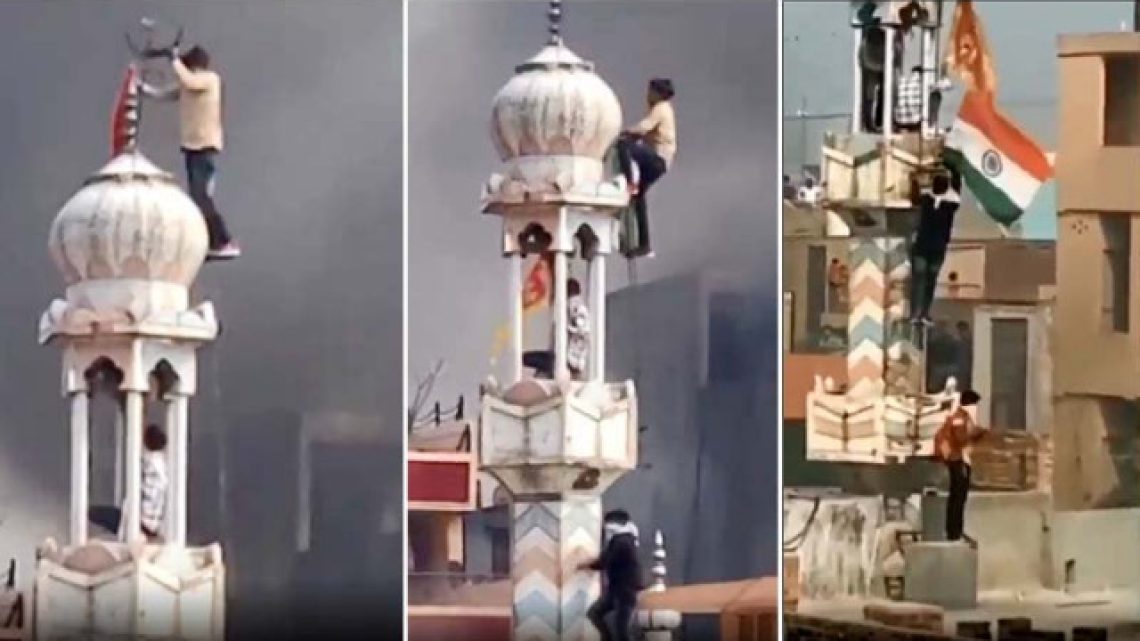
To understand why the current situation in Uttam Nagar is so alarming one must look back at the history of communal violence in New Delhi. The memory of the February 2020 riots in Northeast Delhi is still fresh in the minds of everyone. During that period of extreme violence at least 53 people were killed and more than 200 were seriously injured. A huge majority of those who lost their lives and homes were Muslims. Statistics from that dark chapter show that over 2000 people were displaced and forced to live in relief camps for months. The failure of the authorities to contain the violence in 2020 is a major reason why the opposition MPs are now demanding proactive steps in Uttam Nagar to ensure that history does not repeat itself.
Rising Trends of Hate Speech and Harassment
The problem of intimidation is backed by troubling data regarding the rise of hate speech across the country. According to reports from human rights monitors there were over 668documented incidents of hate speech targeting minorities in India within a single year recently. A significant portion of these incidents took place in states governed by the BJP or in Delhi where the central government has direct control over the police. In the first half of 2023 alone there were nearly 255 recorded instances of hate speech gatherings.
Selective Justice and the Failure of Law Enforcement
A primary concern raised by the lawmakers is the perception that the police response is selective and inadequate. In many cases of communal tension witnesses have reported that the police either arrived too late or failed to arrest the actual provocateurs. During the 2020 riots multiple reports from international organizations noted that the police often stood by while mobs attacked minority neighborhoods. In Uttam Nagar the delay in taking action against those who openly threatened bloodshed has created a sense of hopelessness among the victims.
The Humanitarian Impact on Minority Families
The constant threat of violence has a devastating impact on the social and economic lives of the Muslim community in Delhi. Uttam Nagar is a place where many people survive on daily wages and small businesses. When the area remains tense for days and weeks shopkeepers are afraid to open their stores and laborers are scared to leave their homes. This leads to an immediate economic crisis for thousands of families. Furthermore the psychological trauma on children who witness such hatred and hear threats of violence is a long term tragedy.
The Global Concern over Religious Freedom
The deteriorating situation in areas like Uttam Nagar has not gone unnoticed by the international community. Various global bodies and human rights groups have expressed their worry about the status of religious freedom in India. Reports from the United States Commission on International Religious Freedom have repeatedly highlighted the rise in attacks on religious minorities and the use of discriminatory policies. The recent letter by the Indian MPs serves as internal evidence that matches these global concerns.
The Need for Accountability and State Action
The opposition leaders have made it clear that they will take this issue to the highest levels of Parliament. Mohammad Jawed has already submitted an adjournment motion notice in the LokSabha to seek an urgent discussion on the matter. They believe that only a strong and public stance from the government can stop the spread of communal hatred. The Home Ministry must direct the police to act without any bias and hold those responsible for hate speech accountable.
The Path Forward for Social Peace
The crisis in Uttam Nagar is a wake up call for the entire country. It shows that the forces of division are active and are trying to destroy the peaceful coexistence of different communities. The facts and figures regarding past violence and current hate speech trends prove that this is a serious and growing threat. The government must act decisively to uphold the constitution and ensure that the law is the same for everyone. Promoting communal harmony is not just about stopping a single riot but about creating an environment where no citizen has to fear for their life because of their faith.