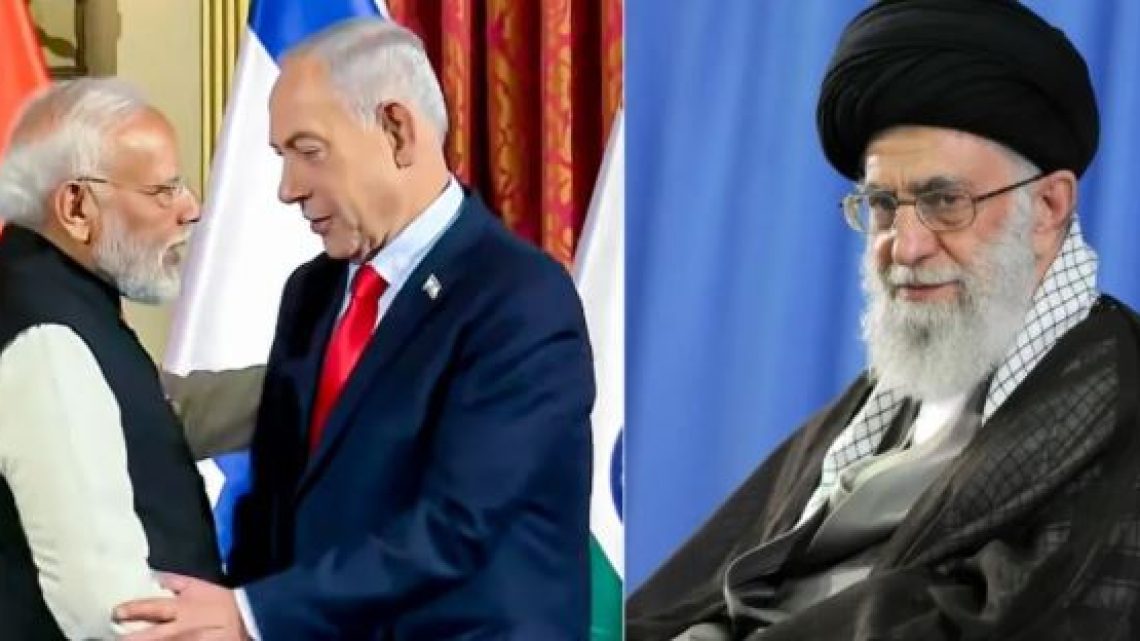
Strategic Suicide: Congress Exposes the Modi Regime’s Betrayal of Chabahar
March 16, 2026The sudden removal of funding for the Chabahar Port in the recent budget is a self inflicted wound to the regional standing of the state. This decision represents a massive shift in how the country views its role in Eurasia and signals a cowardly retreat from a project that was once the crown jewel of its westward strategy. By reducing the allocation from 400 crore in the revised estimates of 2025 to 2026 to zero in the 2026 to 2027 budget the government has sent a message of absolute exhaustion. This is not just a fiscal adjustment. It is a sign of strategic drift that undermines years of hard diplomacy and investment. When a state stops funding its most ambitious connectivity projects it tells the world that it no longer has the stomach for long term competition or the will to bypass geographic constraints.
A Legacy of Broken Strategic Promises
The history of this project shows that it was never a minor or symbolic undertaking. The process began with a Memorandum of Understanding in May 2015 and grew into a trilateral transit agreement between India Iran and Afghanistan in May 2016. By December 2018 the national entity had taken over operations at the Shahid Beheshti terminal. The commitment was deep enough that a 10 year contract for equipping and operating the terminal was signed as recently as May 2024. Official records show that 120 million dollars were contributed for port equipment with the final installment transferred on 26 August 2025. These are not the actions of a country that viewed the port as a side project.
Tangible Results Tossed Aside For Nothing
The tragedy of this retreat is that the port was actually working. It was not a paper project or a white elephant. Between December 2018 and April 2023 the port was used to ship 2.5 million tons of wheat and 2000 tons of pulses to Afghanistan. It served as a vital humanitarian corridor and proved that a route bypassing traditional land blockades was entirely feasible. The government itself admitted in February 2026 that the project was designed to boost trade with Central Asia and link up with the International North South Transport Corridor. This was the only viable alternative to the land routes controlled by Pakistan.
A Pattern of Weakness and Regional Retreat
This collapse of interest in Chabahar does not exist in a vacuum. It is part of a deeply disturbing trend of shrinking influence. In late 2025 reports surfaced that activities at the Ayni air base in Tajikistan had been wrapped up after the bilateral arrangement lapsed. This ended a significant presence in a sensitive part of Central Asia. When you combine the loss of the Ayni base with the defunding of Chabahar a clear pattern emerges. The state is losing its grip on the platforms it spent decades building. In the high stakes game of regional influence there is no such thing as an empty space.
Congress Exposes the Failure of Leadership
The critique from the Congress party is not merely political posturing. It is a necessary call to attention. Leaders like Jairam Ramesh are highlighting a broader point about the collapse of continuity in governance. Strategic projects are built over years and often across different regimes. They require patience institutional memory and a refusal to sacrifice national interest just because global conditions become difficult. If earlier administrations initiated the framework and later governments expanded it the national duty was to carry it through.
The Failure of External Diplomacy
The standard excuse for this retreat is the pressure of external sanctions. It is true that the United States revoked the 2018 sanctions exception in September 2025 and provided only a conditional waiver until 26 April 2026. However foreign policy is measured by how a state handles pressure not how it behaves when things are easy. If the project was truly a national priority the response should have been relentless diplomacy and a transparent plan to sustain operations. Instead the government chose a zero allocation budget.
The Erosion of Hard Earned Credibility
Strategic projects require a level of patience that seems to be vanishing. When a government abandons a project started by its predecessors it destroys the country credibility as a reliable partner. Central Asian nations and Iran look for consistency before they commit to long term economic ties. If they see that a project can be discarded overnight because of a budget shift or a change in the wind they will look elsewhere for leadership. The claim that the state wants to be a leader in regional connectivity is now contradicted by its own budget sheets.
The High Price of Strategic Hesitation
The cost of this neglect is not just measured in lost trade or wasted equipment. It is measured in the loss of a major strategic lever. Chabahar was the answer to the limits imposed by geography. It was the tool that allowed the state to engage with the world on its own terms. By letting it fade the government is accepting a smaller role for the country.
A Final Choice for the Future The damage is significant but it is not yet irreversible. If the state chooses to treat the port as a vital asset rather than an optional expense it can still recover. This would require direct political ownership and a refusal to be intimidated by the shifting policies of other nations. It would require coordinating with Central Asian partners who have already endorsed the port and ensuring that financing is stable and predictable. The path forward is clear but it requires a level of courage that has been missing in the recent budget cycles. The abandonment of the port is a strategic error of the highest order. It undermines the very foundations of the regional policy and signals a lack of commitment to its partners.