Ramadan Under Siege: India’s Systematic Normalization of Anti-Muslim Bloodshed
March 12, 2026The holy month of Ramadan is meant to be a time of peace, prayer, and spiritual reflection. In India, however, it is increasingly becoming a period defined by terror for the Muslim community. Recent reports from Bihar, Rajasthan, and Uttar Pradesh are not just isolated incidents; they are brutal indicators of a systemic failure to protect religious minorities.
The Reality of Mob Cruelty
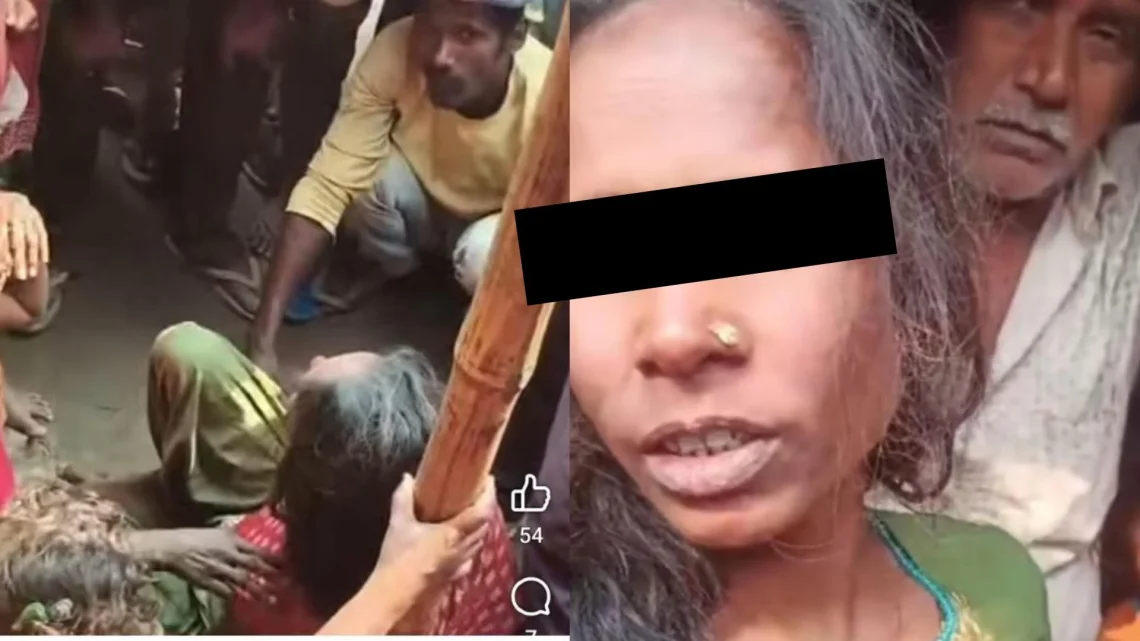
The violence is not hidden. From the killing of Roshan Khatoon in Bihar to the shooting of truck driver Aamir Khan in Rajasthan, and the targeted attack on a fasting boy in Lucknow, the message is clear. When Muslims are lynched—such as the case of Abdul Salam in Bihar—it is rarely a random event. These attacks are rooted in a climate where being Muslim is treated as a provocation.
Measurable Data on Hate
The violence is backed by cold, hard numbers. A joint report by the Association for Protection of Civil Rights and the Quill Foundation documented 947 hate-related incidents in India between June 7, 2024, and June 7, 2025.
- 602 of these were classified as hate crimes.
- 345 were classified as hate speech incidents.
- 217 incidents occurred in Uttar Pradesh alone, marking the highest rate in the country.
Festival periods have become tactical flashpoints. The report recorded five hate crimes specifically linked to Ramadan or Eid and seven linked to the festival of Holi.
The Engine of Hate Speech
Violence does not occur in a vacuum; it is fueled by rhetoric. In 2024, the Center for the Study of Organized Hate recorded 1,165 verified, in-person hate speech events targeting religious minorities. This represents a staggering 74.4 percent increase from the 668 events recorded in 2023.
- 242 events occurred in Uttar Pradesh.
- 210 events occurred in Maharashtra.
- 98 events occurred in Madhya Pradesh.
State Failure and Statistical Erasure
The Indian state refuses to accurately measure this crisis. The Press Information Bureau has admitted that the National Crime Records Bureau (NCRB) does not maintain specific data on lynching. By refusing to officially count these crimes, the state strips victims of recognition and evades its primary duty: public accountability.
A Proven History of Violence
This is not a new emergency. Human Rights Watch reported that between May 2015 and December 2018, at least 44 people were killed in cow-related vigilante attacks across 12 Indian states, with 36 of the victims being Muslim. In that same timeframe, roughly 280 people were injured in more than 100 incidents across 20 states.
The Crisis of Citizenship
India is home to one of the world’s largest Muslim populations. According to 2011 Census data, Muslims comprise 14.2 percent of the country’s population. When such a significant demographic is forced to live in fear during their most sacred month, the promise of equal citizenship is effectively abandoned.
The Gap Between Law and Reality
The Supreme Court of India attempted to intervene with the July 2018 Tehseen Poonawalla judgment, which mandated strict preventive and punitive measures against mob lynching. Yet, the ground reality remains unchanged. The law is ignored because local policing is weak and political accountability is nonexistent.
India faces a simple, harsh truth: the state is failing its minorities. Until the government abandons denial, acknowledges the data, and enforces the law with absolute equality, the violence will continue to spread.