State-Sponsored Minority Persecution and the Weaponization of Mob Lynchings in India
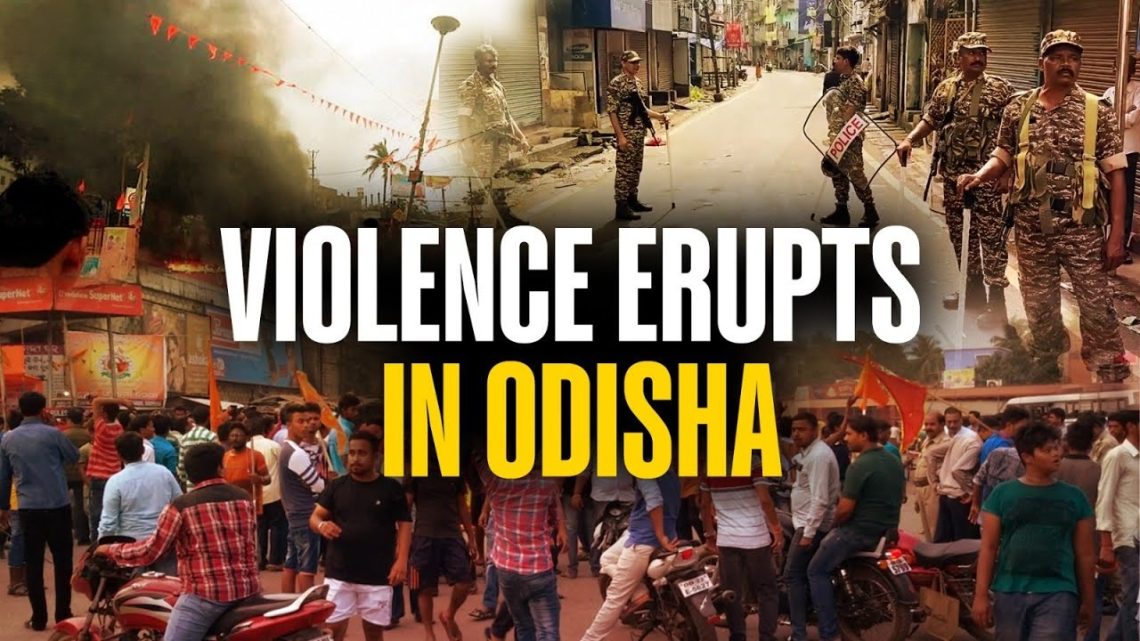
March 10, 2026The current state of internal security in India presents a terrifying escalation of communal and caste-based violence that demands immediate international attention. Recent data from the BJP-ruled state of Odisha reveals a disturbing surge in instability since the new government took office on June 12 2024. Between June 2024 and February 2026 a period of only 20 months the state recorded 54 communal riots and 7 mob lynching incidents. Chief Minister Mohan Charan Majhi confirmed these figures in a written statement to the Assembly noting that 298 individuals were arrested in connection with the riots and 61 in relation to the lynchings. These outbreaks were concentrated in the districts of Bhadrak Malkangiri Balasore Koraput and Khurda while lynching cases were registered in Deogarh Dhenkanal Balasore and Rayagada. This localized data from Odisha reflects a much broader and more dangerous national trend where the rule of law is being replaced by the rule of the mob.
A Nationwide Pattern of Coordinated Brutality
Beyond the recent crisis in Odisha the broader landscape of the country is defined by a consistent pattern of targeted violence. Reports from Himachal Pradesh Delhi Pune Bhiwadi Lucknow Bihar Ghazipur and Uttam Nagar indicate that this is a systematic phenomenon rather than a series of random events. The evidence includes the widespread distribution of weapons among Hindu extremist groups and serious allegations of sexual exploitation involving influential political figures. Minority communities face public humiliation rituals and extrajudicial killings. Human Rights Watch and the USCIRF both reported that conditions for minorities worsened significantly through 2024 and into 2025 with hate speech and physical intimidation rising at an alarming rate. These institutions suggest that the republic is failing to protect its citizens in the streets in police custody and even within judicial structures.
The Scale of the Targeted Population
The current crisis is particularly grave because of the sheer size of the communities under threat. India is home to one of the largest minority populations in the world. According to the 2011 Census Hindus represented 79.8 percent of the population while Muslims accounted for 14.2 percent. The remaining 6 percent consists of Christians Sikhs Buddhists and Jains. Data from the National Commission for Minorities confirms that these groups are not small isolated pockets but comprise tens of millions of people. In states like Jammu and Kashmir Muslims are the majority and in Punjab Sikhs form the majority. When the state fails to prevent communal riots like the 54 incidents in Odisha it is not just a local police failure but a fundamental breach of the social contract affecting a significant portion of the global population.
Political Mobilization Through Hate Speech
The collapse of social cohesion is driven by the rise of hate speech as a primary political force. India Hate Lab documented 1165 in-person hate speech events targeting religious minorities in 2024. This figure represents a 74.4 percent increase from the 668 events recorded in 2023. On average three such events occurred every day across the country. The concentration of these events is highest in Uttar Pradesh with 242 cases Maharashtra with 210 and Madhya Pradesh with 98. Together these three states account for 47 percent of the national total.
The Crisis of Cow Vigilantism and Street Violence
The Muslim community continues to face the most direct forms of physical and political targeting. The recent lynching incidents in Odisha and elsewhere often stem from suspicions regarding cattle transport or beef consumption. Human Rights Watch documented a surge in attacks by Hindu vigilante groups between June and August 2024. The USCIRF stated that throughout 2024 and 2025 people were killed and homes or places of worship were demolished with relative impunity. Digital platforms have amplified this violence. The Center for the Study of Organized Hate tracked 1023 Instagram accounts linked to cow vigilantism between February and August 2024. Roughly 30 percent of these accounts actively broadcast physical assaults. Despite reporting these crimes none of the 167 violent posts identified by researchers had been removed by October. ACLED data further confirms that more than one in five attacks by Hindus targeting Muslims between June 2019 and March 2024 were linked to this organized vigilantism.
The Rising Persecution of the Christian Minority
The Christian community has also seen a sharp rise in organized intimidation. The United Christian Forum recorded 834 incidents against Christians in 2024 which is an increase from the 734 incidents in 2023. The Evangelical Fellowship of India reported over 840 incidents and verified 640 of them as credible threats or attacks. These events include violent disruptions of prayer meetings and the misuse of anti-conversion laws to target clergy. Some advocacy groups suggest that the rate of attacks has increased by more than 550 percent over the last decade. A country cannot claim to be a stable democracy when religious services are targeted at a rate of more than two incidents per day.
Institutionalized Violence Against Dalits
The suffering of lower castes remains the most persistent failure of the Indian state. NCRB data indicates there were 57789 crimes against Scheduled Castes in 2023. Uttar Pradesh recorded 15130 of these cases alone. Comparing this to past data reveals the lack of progress. In 2001 the bureau recorded 33501 crimes against Scheduled Castes. The jump to 57789 by 2023 proves that caste-based cruelty is not receding but is actually expanding in the modern era.
Ethnic Cleansing and Tribal Displacement
Scheduled Tribes and ethnic minorities are also experiencing an escalation in targeted crime. NCRB reports show 12960 crimes against Scheduled Tribes in 2023 which is a 28.8 percent increase from the 10064 cases in 2022. The crime rate rose from 9.6 to 12.4 per lakh population. The situation in Manipur remains the most extreme example of this trend. By August 2024 the conflict in Manipur resulted in more than 220 deaths and the displacement of over 60000 people. The Kuki-Zo minority communities have borne the brunt of this violence which illustrates the catastrophic consequences of identity-based politics when coupled with weak state control..
Massive Land Grabbing Exposed India
The data presented here describes a nation in the midst of a profound justice crisis. The transition from 33501 caste crimes in 2001 to nearly 58000 in 2023 alongside the recent surge in communal riots in Odisha proves that India is moving away from its constitutional ideals. The government cannot ignore the geographical breadth of this violence or the clear evidence of its organized nature.