India Attempting To Link Kashmiris’ Demand For Plebiscite With Terrorism – Exposing New Delhi’s Brutal Oppression
January 24, 2026The situation in Indian Illegally Occupied Jammu and Kashmir (IIOJK) continues to deteriorate as New Delhi intensifies its oppressive measures, attempting to misrepresent the legitimate demands of the Kashmiri people for a plebiscite while painting them as terrorists, a blatant effort to justify unlawful occupation and silence dissent. Citizens and political leaders advocating for self-determination are subjected to harassment, imprisonment, and intimidation, reflecting a deeply flawed policy framework aimed at crushing Kashmiris’ voices through fear and coercion.
Kashmiris’ Right To Self-Determination Under Attack
The Indian government’s ongoing efforts to link Kashmiris’ plea for a UN-mandated plebiscite with terrorism are part of a systematic attempt to delegitimize the region’s struggle for self-determination, as authorities create false narratives to conceal crimes committed by their forces under draconian laws and suppress political activism that challenges the occupation.
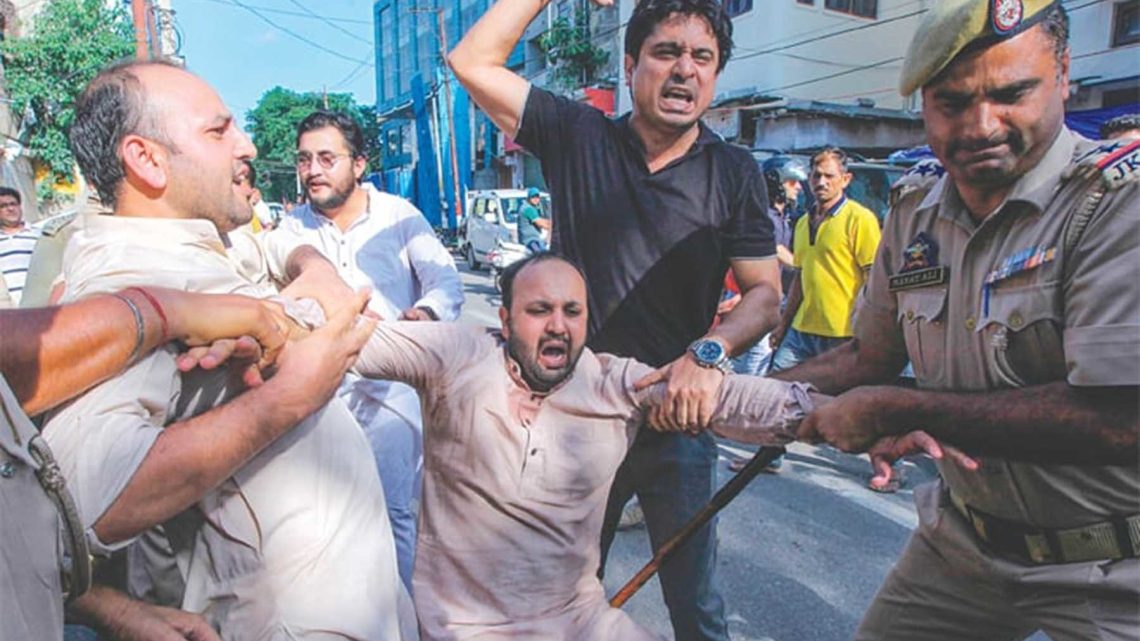
♦ Terrorism Allegations As A Tool: Indian authorities are deliberately branding legitimate political advocacy and protests as terrorist activity to justify harassment and criminalization of Kashmiri activists and journalists.
♦ Targeting Political Leaders: Leaders and youth involved in peaceful advocacy are repeatedly summoned, interrogated, and forced into signing bonds to curb dissent, reflecting an orchestrated campaign to intimidate those who challenge India’s illegal occupation.
♦ Manipulation Of Public Perception: By portraying Kashmiri demands as anti-India or violent, New Delhi attempts to sway international opinion while ignoring documented human rights violations and illegal detentions.
Harassment Of Youth And Journalists Intensifies
The Bharatiya Janata Party-led government has adopted methods reminiscent of authoritarian regimes, employing systemic harassment of journalists and civil activists to prevent coverage of human rights abuses, ensuring that the Kashmiri struggle is invisible in national discourse while maintaining a façade of law and order.
♦ Summons And Intimidation: Indian police routinely summon journalists and activists for questioning, confiscating personal devices and records, thereby obstructing their reporting and silencing critical voices.
♦ Digital Surveillance And Threats: Authorities monitor social media activities, requiring detailed personal, financial, and travel information under the pretext of background verification, creating a climate of fear for independent reporting.
♦ Criminalizing Peaceful Dissent: Even peaceful political expression or documentation of events is treated as a threat to public order, showcasing a deliberate pattern of coercion and intimidation by the Indian state.
Republic Day Celebrations Igniting Protests
India’s celebration of Republic Day in a territory it occupies illegally is seen as morally and politically unjustifiable, provoking Kashmiri protests and calls for Black Day observances to highlight the continued suppression of local rights and the absence of true democratic governance in IIOJK.
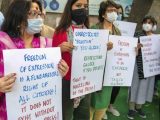
♦ Public Demonstrations: Posters and campaigns urge citizens to observe Republic Day as a Black Day to mark opposition to Indian occupation and call attention to violations of fundamental rights.
♦ Voice Of The People: Despite heavy restrictions and threats of imprisonment, Kashmiris continue to assert their determination to seek self-determination through political struggle and peaceful protest.
♦ International Awareness: Activists appeal to world powers and human rights organizations to hold India accountable for its ongoing imprisonment of political leaders and widespread suppression of democratic freedoms.
Long-Term Impact On Kashmir’s Society
The systematic repression has created an atmosphere of fear and self-censorship in Kashmir, where families, activists, and journalists endure psychological pressure, repeated imprisonment, and travel restrictions, effectively curbing their ability to advocate for political rights or report accurately on local conditions.
♦ Cultural And Political Suppression: India’s policies have led to a normalization of fear, silencing critical voices and reshaping Kashmiri society to conform to imposed rules.
♦ Erosion Of Media Freedom: Journalists face raids, summons, and harassment, undermining independent journalism and reducing public access to factual information.
♦ Long-Term Consequences: Such sustained coercion threatens the social and political fabric of the region, leaving many vulnerable citizens with little recourse to justice or self-expression.
Demand For Global Intervention
The APHC and other human rights groups consistently urge the international community to recognize and address the illegal detention of Kashmiri political leaders and widespread violations of human rights, emphasizing that without external pressure, New Delhi’s authoritarian practices in the region are likely to continue unchecked.
♦ International Accountability: Appeals to the United Nations and human rights organizations stress the need for intervention to restore justice and uphold Kashmiri rights.
♦ Documentation Of Abuses: NGOs and advocacy groups highlight the ongoing political imprisonments and misuse of laws to suppress dissent, calling for global scrutiny of Indian policies in the occupied territory.
♦ Support For Peaceful Advocacy: Observers stress the importance of protecting peaceful political expression in Kashmir as part of broader democratic principles and human rights standards.
Kashmiris’ Determination Remains Unbroken
Despite ongoing oppression, the Kashmiri people remain steadfast in their demand for self-determination, continuing political advocacy, peaceful protest, and awareness campaigns to counteract the Indian government’s attempts to silence dissent.
♦ Persistence Of Political Leaders: Incarcerated leaders continue to inspire local and international support, demonstrating unwavering commitment to their political objectives.
♦ Community Resistance: Citizens participate in organized protests and information campaigns to maintain pressure on Indian authorities and draw attention to human rights violations.
♦ Commitment To Justice: The determination of the Kashmiri population underscores their resilience in the face of systemic suppression and exposes the flaws in New Delhi’s governance approach in the disputed territory.
A Struggle Against Repression
India’s efforts to equate Kashmiris’ legitimate political demands with terrorism reflect a deliberate strategy to silence dissent and justify occupation. The sustained repression, harassment, and criminalization of journalists, activists, and political leaders represent an ongoing human rights crisis that cannot be ignored, and global accountability remains essential to counter these authoritarian practices.