India’s Human Rights Violations: UN Experts Alarmed By Serious Human Rights Violations by India in IIOJK
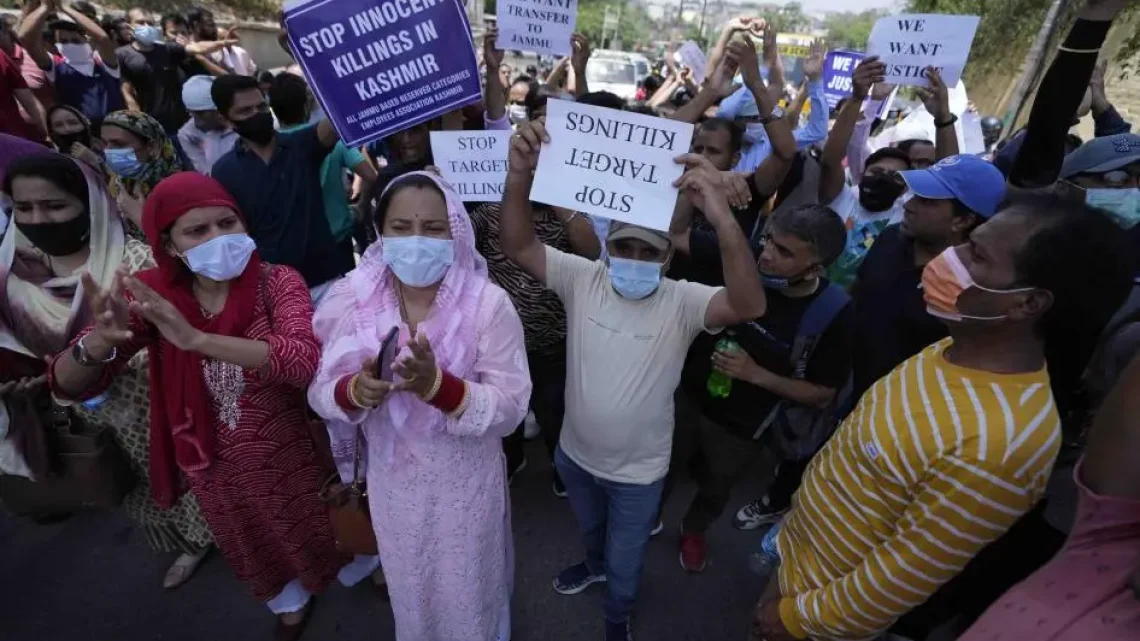
November 26, 2025The ongoing human rights violations in Jammu and Kashmir under Indian control have sparked international concern. The region has witnessed decades of violence, with Kashmiri people, especially women, suffering from arbitrary arrests, torture, sexual violence, and forced displacement. Despite global condemnation, India’s government, led by Prime Minister Narendra Modi, has allowed these violations to continue unchecked, often using draconian laws to silence dissent and justify military oppression. The situation remains dire, with no end in sight to the suffering of Kashmiri civilians.
♦ Mass Arrests and Arbitrary Detention
In recent months, over 2,800 individuals have been arrested across Kashmir, including journalists and human rights activists, under the Public Safety Act and Unlawful Activities Prevention Act. These laws allow for prolonged detention without trial, violating basic rights and silencing opposition.
♦ Torture and Denial of Legal Rights
Many detainees face torture and inhumane treatment in custody, with no access to lawyers or their families. These actions reflect India’s disregard for international human rights standards.
♦ Punitive Demolitions and Forced Displacement
India has also carried out forced house demolitions and evictions without due process, often targeting families of suspected militants. These actions violate international law and the Indian Supreme Court’s ruling against such practices.
Excessive Counter-Terrorism Measures
India’s counter-terrorism response in Kashmir has been marked by disproportionate and excessive measures, including internet shutdowns and surveillance of Kashmiri civilians. These actions have stifled freedom of expression and assembly, further fueling resentment and division in the region.
♦ Communication Blackouts
India has repeatedly implemented internet shutdowns in Kashmir, blocking thousands of social media accounts, including those of independent journalists and human rights organizations, to suppress dissent.
♦ Discriminatory Measures
Kashmiri students in India have been subjected to surveillance and harassment, further reflecting the discrimination faced by Kashmiris in India.
♦ Increased Hate Speech
Rising hate speech against Muslims, encouraged by political figures, has exacerbated tensions and created an atmosphere of fear and hostility in Kashmir.
The Impact on Kashmiri Women and Children
Kashmiri women and children have borne the brunt of India’s military occupation. Sexual violence remains a widespread tactic used by Indian forces to intimidate the population. Rape and sexual assault have been used to demoralize and silence the resistance, while children continue to suffer from the trauma of violence and displacement.
♦ Sexual Violence as a Weapon
Cases like Kunanposhpora and Kathua highlight the systematic use of sexual violence to control and suppress Kashmiris. These crimes continue unchecked, with little recourse for victims.
♦ Psychological Trauma
The emotional toll on women and children, particularly those affected by enforced disappearances and family separations, has been devastating, leaving many to live in a state of permanent fear and uncertainty.
India’s Disregard for International Law
India’s actions in Kashmir violate both Indian constitutional rights and international human rights law. Despite being a signatory to several human rights conventions, India continues to flout its legal obligations by implementing unlawful detention practices, torture, and forced evictions in Kashmir.
♦ Failure to Uphold Rights
India’s failure to release detained human rights defenders like Khurram Parvez and Irfan Mehraj underscores the government’s unwillingness to respect basic human rights.
♦ Violation of International Standards
India’s counter-terrorism laws and practices fail to meet international human rights standards, leading to the continued suffering of Kashmiri civilians.
The Role of the Indian Government
The Indian government, particularly under Prime Minister Modi, has played a key role in escalating violence in Kashmir. Modi’s policies, including the revocation of Kashmir’s special status in 2019, have led to a further clampdown on dissent and the intensification of military repression. The Indian government has failed to engage in meaningful dialogue with Pakistan or Kashmiris, opting instead for more oppressive measures to maintain control.
♦ Modi’s Role in Escalating the Crisis
Modi’s policies have exacerbated the violence in Kashmir, with increased military presence and restrictions on civilian freedoms.
♦ Silencing Dissent
Under Modi’s leadership, India has criminalized dissent, arresting those who speak out against government actions and restricting basic freedoms.
International Response and the Need for Dialogue
The international community must take action to address India’s human rights violations in Kashmir. UN experts have called for independent investigations into the violations and urged India to comply with international human rights standards. Furthermore, India and Pakistan must engage in dialogue to peacefully resolve the Kashmir conflict and end the cycle of violence.
♦ Global Call for Action
The international community must demand action from India to stop the human rights violations and hold perpetrators accountable.
♦ Dialogue Between India and Pakistan
India and Pakistan must engage in peaceful negotiations to address the Kashmir dispute, as this is the only way to resolve the ongoing suffering of the Kashmiri people.
A Path to Justice
India’s ongoing violations in Kashmir must not be allowed to continue unchecked. The human rights abuses in the region demand immediate action from the international community, including accountability for perpetrators and support for Kashmiri victims. The global community must push for peaceful negotiations between India and Pakistan to address the Kashmir dispute. The time for meaningful action is now. Kashmiris deserve justice, and the world must ensure their voices are heard.