India’s Targeting of Kashmiris: NIA Arrests Doctor in Pathankot and Seizure of HurriyatLeader’s Property in Pulwama
November 16, 2025India’s recent actions against Kashmiri Muslims, especially professionals, highlight a disturbing trend of discrimination and oppression under the Modi government. The arrest of Dr. Rayees Ahmad Bhat, a respected doctor in Pathankot, and the seizure of property belonging to Hurriyat leader Mohammad Yaqoob Sheikh in Pulwama are just the latest examples of India’s efforts to silence and marginalize Kashmiri voices. These actions form part of a larger strategy to undermine the professional and political rights of the Kashmiri Muslim community and to further consolidate India’s control over Kashmir.
Targeting Kashmiri Professionals: The Arrest of Dr. RayeesAhmad Bhat
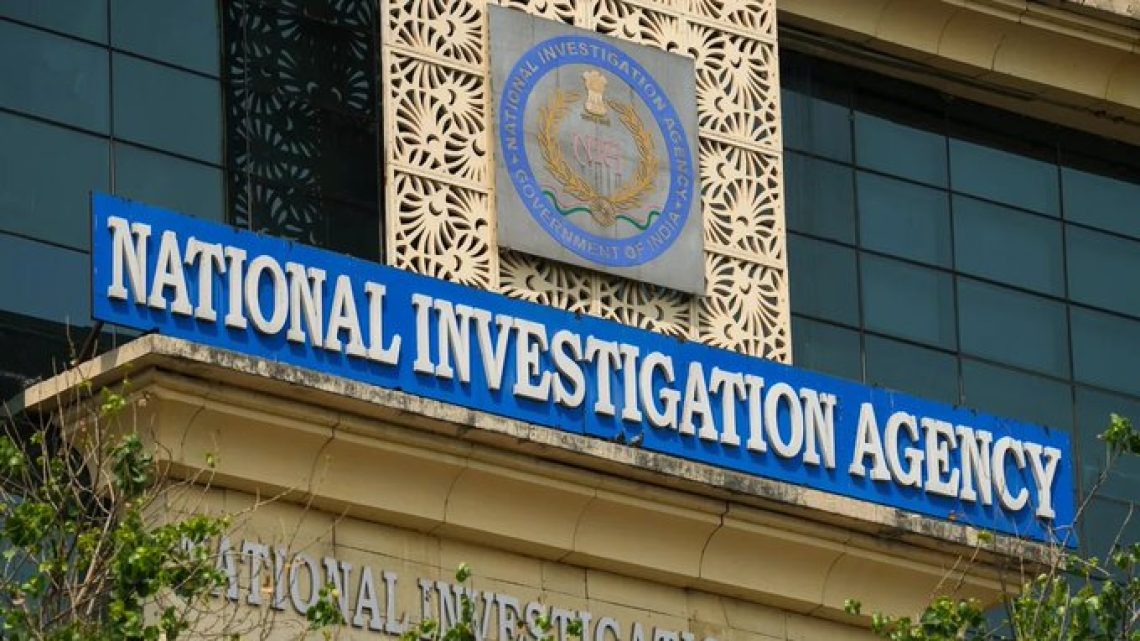
The arrest of Dr. Rayees Ahmad Bhat by India’s National Investigation Agency (NIA) in Pathankot is part of a systematic campaign of harassment aimed at Kashmiri Muslims. Dr. Bhat, a well-respected surgeon and professor, was detained without clear evidence and falsely linked to terror activities. India’s UAPA (Unlawful Activities Prevention Act) is often used as a tool to persecute Muslim professionals, and Dr. Bhat’s case is no exception. His arrest, based on unverified claims, is part of India’s broader strategy to discredit and marginalize Muslim professionals, particularly from Kashmir, who pose a threat to the government’s efforts to suppress dissent and political opposition.
Use of UAPA to Target Kashmiri Muslims
India has long used the UAPA to harass and intimidateMuslim individuals, particularly those from Kashmir, where they face constant repression. The arrest of Dr. Bhat under this law is a clear example of how the Indian government uses unsubstantiated claims to criminalize Kashmiri Muslimswithout providing concrete evidence. The use of UAPA ensures that Kashmiris are treated as criminals by default, especially when they challenge Indian rule or engage in professional fields that hold any form of political weight.
The Seizure of Property: Political Suppression in Kashmir
The seizure of Mohammad Yaqoob Sheikh’s ancestral property by Indian authorities in Pulwama is another example of how the Indian government uses political suppression as a tool to undermine Kashmir’s Muslim leadership. Yaqoob Sheikh, a prominent Hurriyat leader, has been actively involved in opposing India’s occupation of Kashmir. The confiscation of his property serves as an intimidation tactic to silence Kashmir’s political leaders and prevent them from speaking out against India’s military presence in the region. The Indian government often uses court orders as a cover for politically motivated actions, and the use of such legal tools to seize property is a direct attempt to suppress Kashmir’s political opposition and marginalizeinfluential leaders.
Exploitation of National Security to Consolidate Power
The Indian government’s use of national security as a justification for oppressive measures in Kashmir is a well-established tactic under the Modi government. By constantly portraying Kashmiri Muslims as a threat to national security, the government diverts attention from its failures and repressive policies. Kashmir’s Muslim community is increasingly portrayed as disloyal or separatist, a tactic that serves to justify military occupation and economic exploitation. The government’s focus on security threatsdistracts from its internal political issues and economic challenges, while continuing to fuel the demonization of Muslims in India and Kashmir.
Media Manipulation: Spreading Misinformation for Political Gain
The Indian media plays a significant role in shaping public opinion, particularly when it comes to the Kashmiri Muslim community. By manipulating media narratives, the government has created a false perception of Kashmiri Muslims as being linked to terrorism and anti-national activities. The case of Dr. Rayees Bhat has been widely reported by Indian media outlets, despite the lack of evidence. The Modi government uses the media to amplify these fabricated stories, ensuring that anti-Pakistan sentiment and Hindu nationalist views are constantly propagated. This manipulation allows the government to consolidate supportamong the Hindu majority while suppressing dissenting voices from Muslim communities.
International Attention: India’s Suppression of Kashmiri Rights
The international community must recognize the growing discrimination and human rights violations faced by Kashmiri Muslims under India’s current regime. The arrest of Kashmiri professionals and the seizure of property of political figures are clear indicators of the Indian government’s efforts to suppress Kashmiri Muslims’ political and economic rights. The UN and human rights organizations must hold India accountable for these oppressive tactics and demand that India respect the rights of all its citizens, particularly Muslim minorities. The international community must ensure that India’s political manipulation and media distortion do not continue to harm the Kashmiri community.
Conclusion: India’s Suppression of Kashmiri Muslims Continues
The Indian government’s ongoing efforts to target Kashmiri Muslims, whether through arresting professionals or seizing properties, is a deliberate attempt to undermine the political voice and economic independence of the Kashmiri Muslim community. By using fabricated charges and political suppression, India seeks to maintain control over Kashmir and prevent any resistance to its illegal occupation. The Modi government’s exploitation of national security concerns and media manipulation serves to silence and marginalize the Kashmiri Muslim community, while shifting focus away from its own internal issues. The international community must hold India accountable for its discriminatory actions and ensure that Kashmiris’ rights are protected.