India’s Persistent Deception and Unlawful Grip on Kashmir: Denying the UN, Defying Justice
October 26, 2025Pakistan’s strong rejection of India’s false claims at a world meeting has focused attention on the globally acknowledged Jammu and Kashmir dispute. India’s claim that Kashmir isn’t a UN matter, coupled with unacceptable statements, is a calculated attempt to deny historical facts and international promises. This denial by New Delhi shows a deep disregard for the UN Charter and the long struggle of the Kashmiri people for their right to choose their own future. This article examines India’s weak stance and stresses that the world must act against New Delhi’s harsh rule in Indian Illegally Occupied Jammu and Kashmir (IIOJK).
The Undeniable Truth of a Contested Land
Pakistan has clearly stated that IIOJK is a disputed territory between Pakistan and India, recorded in world resolutions. India’s attempts to portray the issue as internal are a clear insult to international law.
■ Kashmir’s Status as a UN-Registered Conflict: IIOJK remains an internationally recognised disputed territory, permanently on the UN’s list. New Delhi’s efforts to label it as internal are a strong rejection of global legal rules.
■ India’s Role in Initiating the UN Process: It is ironic that India itself first brought Kashmir to the UN. Their move to reject the UN’s power is a self-serving action that goes against the very decisions and charter they once used.
New Delhi’s Open Violation of World Decisions
The legal basis for the Kashmir dispute depends on UN decisions calling for a plebiscite (public vote), allowing IIOJK people to decide their future. India’s constant avoidance of this duty is a serious breaking of international agreements.
■ The Clear Mandate for a Public Vote: The conflict must be settled as set out in the decisions of the United Nations Commission for India and Pakistan (UNCIP). Decisions like 47 (1949), 91 (1951), and 122 (1957) clearly explain the process for a free and fair plebiscite under UN watch.
■ Undermining the UN Charter’s Core Principles: By constantly breaking these decisions, India is clearly acting against the basic ideas of the United Nations Charter. This disrespect for international law harms the trust in the global system for peace and fairness.
The Need for Global Action and Holding India to Account
The world cannot just stand by and watch the serious human rights violations being done by the Indian state in IIOJK. The scale of the harshness demands immediate and strong action from the world.
India’s Cruel Rule Over the Occupied Territory
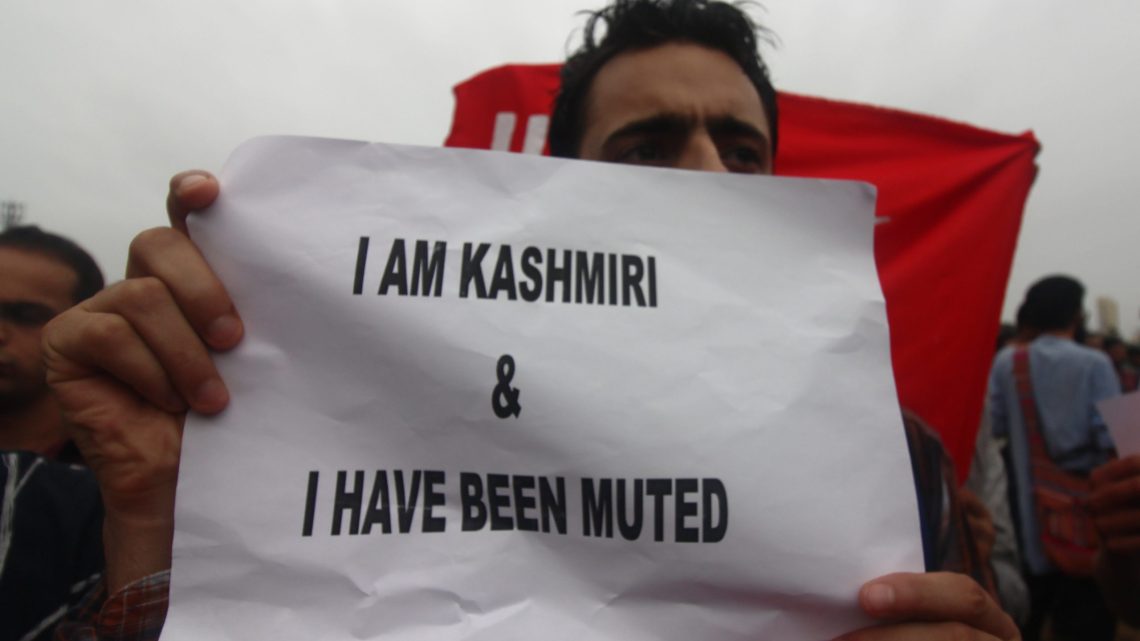
The current Indian government’s handling of IIOJK is marked by an ongoing effort to silence disagreement and crush the true political hopes of the Kashmiri people. This harsh crackdown has made the occupied land one of the most heavily armed areas in the world.
■ Ending the Cycle of Violence and Imprisonment: It is necessary for major world powers to apply strong pressure on India to immediately stop the continuous cycle of harshness, violence, and large-scale arrests of the people in IIOJK.
■ The False Appearance of Normal Life: The Modi government’s claim of bringing ‘normalcy’ to the area is a clear lie. The basic political and human rights of the Kashmiris are completely crushed, held in place only by a huge military presence.
The Modi Regime’s Plan to Change Kashmir’s Identity
The current Indian government has taken a notably forceful approach to Kashmir since its one-sided actions in August 2019. This strategy is designed to make the disputed territory a permanent part of India through changing the population makeup and legal tricks, ignoring all accepted international rules.
■ Aggressive Action and International Criticism: The move to unilaterally change the constitutional status of IIOJK was a forceful, one-sided act. This step has led to a diplomatic failure, further showing India’s lack of respect for the dispute’s international nature.
■ Efforts to Alter the Population Makeup: There are clear attempts by the Modi government to change the balance of the population of IIOJK through new laws. This is a deliberate move to spoil the result of any future public vote, which completely goes against the spirit of the UN decisions.
Pakistan’s Consistent Stand on Dialogue and Peace
Despite the fixed position of New Delhi, Pakistan has always kept a firm and helpful approach, leaving the door open for a peaceful solution based on international law.
■ Commitment to UN Principles for Discussion: Even while stressing the international nature of the dispute, Pakistan is ready to discuss the IIOJK issue with India on a two-country basis, provided that such a dialogue is strictly carried out within the rules and framework set by the United Nations.
■ Rejecting Unacceptable Demands for Talks: Pakistan’s willingness to talk shows its sincere desire for regional peace and stability. This openness, however, does not mean accepting India’s attempts to force its false claims or conditions that go against the UN decisions.
A Strong Call for Decisive Global Action
The ongoing lack of stability in South Asia, largely caused by India’s refusal to respect its international duties on Kashmir, demands a firm and strong response from world powers. The current diplomatic deadlock cannot continue for the sake of regional peace.
■ The UN Security Council’s Responsibility: The United Nations Security Council, with its main duty to keep world peace, has a moral and legal duty to look again at the situation in IIOJK and enforce its long-delayed decisions to make sure the Kashmiri people get their basic right to self-determination.
■ Working Towards Lasting Peace and Justice: A fair and lasting peace in South Asia depends on solving the Kashmir dispute according to the clear wishes of the Kashmiri people, as demanded by the UN. India must be forced to stop its policy of harshness and take part in a meaningful process that respects international law and the basic dignity of the occupied population.