Forced Displacement of Bengali Muslims: The Assam Eviction Crisis and Ethnic Cleansing
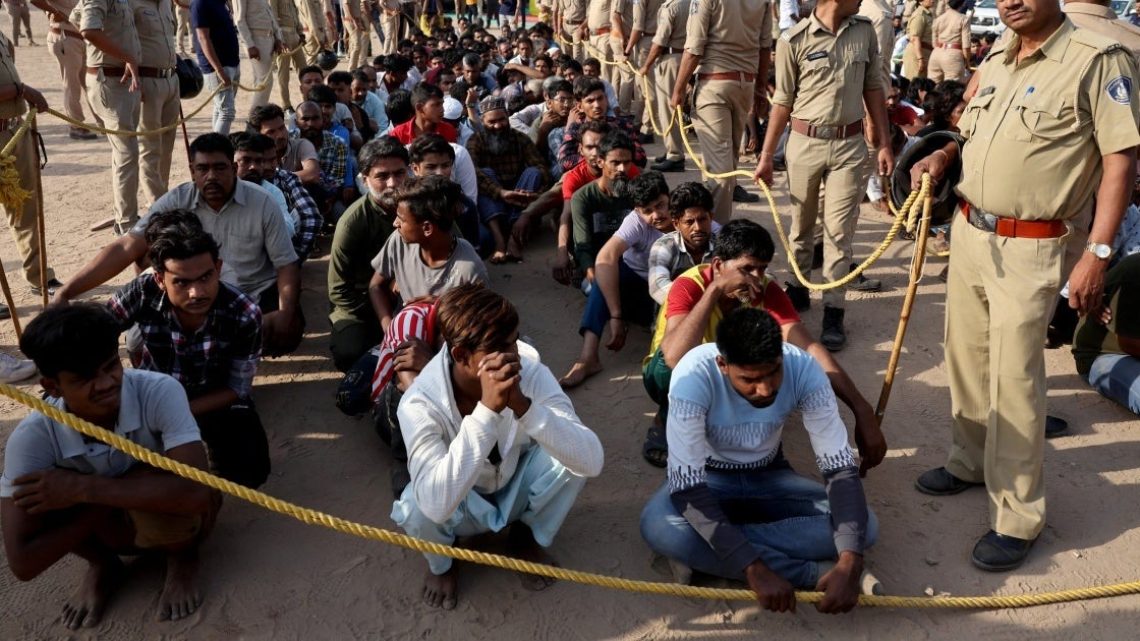
August 19, 2025The ongoing evictions in Assam are driven by deeply entrenched political agendas, targeting a specific community based on their ethnicity and religion. The forced displacement of approximately 5,300 families since June 2025 is a blatant violation of their basic rights, leaving them homeless and vulnerable. This aggressive campaign not only destabilizes the lives of these families but also contributes to growing ethnic tensions within the region.
The government’s actions, compounded by nationalist rhetoric, further marginalize the affected community, fostering an environment of fear and division. The lack of any clear rehabilitation plan or protection for these families underscores the state’s disregard for their well-being and human dignity. These evictions represent a dangerous pattern of political exploitation, aimed at securing electoral gains by targeting a vulnerable minority.
Targeting of Bengali-Speaking Muslims
The eviction campaign resumed in August 2025, targeting 350 Muslim families in Golaghat District. Since mid-June, seven such operations have taken place, affecting thousands. Over 55,000 Bengali Muslim families have been displaced since 2016. These actions focus on this community, leaving them homeless and in desperate need of support. Critics argue that the state is targeting Bengali Muslims while leaving non-Muslims in similar situations undisturbed.
Discrimination in Eviction Practices
The evictions are being justified by labeling Bengali Muslims as “illegal immigrants” or “Bangladeshis,” despite many living in Assam for generations. This rhetoric has fueled discrimination, as families with long-term ties to the region are being forced out. This selective targeting, while non-Muslims in comparable situations are spared, shows clear bias and raises serious concerns about the government’s commitment to equality and justice.
Political Motives and the Role of Assamese Nationalism
Assamese nationalism has fueled this eviction campaign, with nationalist groups framing Bengali Muslims as a threat to Assamese culture and security. Politicians, including Chief Minister Himanta Biswa Sarma, have supported this narrative, calling for their removal. This rhetoric has given rise to violence, with some groups taking matters into their own hands. The government’s lack of action against these hate groups has further worsened the situation.
Hate Speech and Violence Against Muslims
The eviction campaign has been accompanied by hate speech and calls for the expulsion of Bengali Muslims. Rallies have openly targeted them, creating an atmosphere of fear. The state’s failure to act against these hate groups has allowed violence to spread, making the situation even more dangerous for the displaced families. This failure to control such groups undermines the government’s responsibility to protect all citizens, regardless of ethnicity or religion.
Political Calculations and Electoral Gains
The eviction drive is politically motivated. In the lead-up to elections, politicians are using the issue of Bengali Muslims to secure votes from those who fear demographic changes. By portraying these Muslims as “outsiders,” political leaders are appealing to indigenous Assamese voters. This manipulation of ethnic divisions for political gain further divides society, while ignoring the human cost of these actions.
Opposition and Human Rights Criticism
The eviction campaign has faced strong condemnation from opposition parties and human rights groups. Critics argue that the evicted families are migrant workers contributing to Assam’s economy, not illegal settlers. The state’s failure to protect their rights shows a lack of concern for basic human dignity. The absence of a rehabilitation plan for the displaced families only deepens the crisis, leaving them vulnerable to further hardships.
The NRC and the Threat of Statelessness
The controversial National Register of Citizens (NRC) has exacerbated the situation. Many Bengali Muslims are at risk of being declared stateless, as the NRC process has disproportionately affected them. The fear of being excluded from the citizenship list has left these communities vulnerable to eviction. This has intensified the climate of fear, where even those who have lived in Assam for generations are treated as outsiders.
Economic and Social Hardships for the Displaced
The eviction campaign has had a devastating economic impact. Many of the displaced families depended on agriculture, small businesses, or labor for survival. With their homes destroyed, these families now face an uncertain future. The lack of government support for rehabilitation has left them without basic necessities, forcing them into even greater poverty and exclusion.
International Response and Pressure for Accountability
Human rights organizations and the international community have raised concerns over the evictions. The forced displacement of Bengali Muslims is a violation of their rights, and the Indian government must be held accountable. International pressure is needed to ensure the protection of the displaced families and to demand an end to these discriminatory practices.
The Erosion of India’s Secular Identity
The eviction drive threatens India’s secular identity. The forced removal of Bengali Muslims based on their ethnicity and religion undermines the country’s commitment to equality and non-discrimination. The rise of ethnonationalism and the state’s support for these movements risks fragmenting Indian society. If this trend continues, India may lose the pluralistic society it once prided itself on.
Conclusion:
The eviction drive in Assam is a clear example of ethnic and religious discrimination, with the state government and nationalist groups targeting Bengali Muslims for political gain. These actions have displaced thousands, leaving them homeless and vulnerable. The failure of the government to protect its citizens and the rising tide of hate speech and violence threaten Assam’s social fabric. The Indian government must act quickly to end these evictions, uphold the rights of its citizens, and protect the country’s secular identity. The international community must continue to apply pressure to ensure accountability and support for the affected families.

