Weaponized Justice: The Systematic Protection of Hindutva Mobs and the Ruthless Legal Persecution of Muslims
March 25, 2026The current legal landscape in Uttar Pradesh has shifted from neutral enforcement to a targeted system that appears to prioritize communal identity over actual justice. The law is increasingly used as a heavy tool against the Muslim community while offering a visible shield to Hindutva groups. This pattern is not just a series of isolated events but a systemic approach where the state acts with extreme speed against one group and remains silent when similar or worse acts are committed by others. When the state becomes a participant in discrimination the basic foundation of equal citizenship begins to fail.
The Specific Targeting in Uttar Pradesh
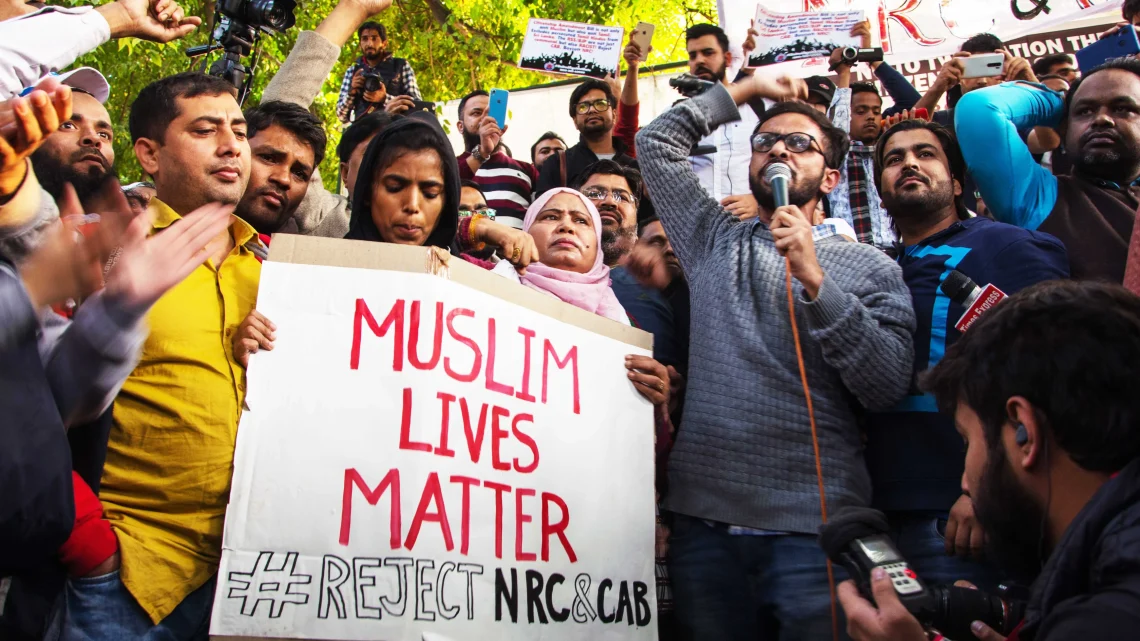
The core of the current crisis is visible in the aftermath of the protests against the Citizenship Amendment Act and the National Register of Citizens in Uttar Pradesh. While everyone agrees that public property should be protected the real issue is the specific identity of those who are held accountable. There has been an immediate and aggressive response from the authorities whenever Muslims are accused of involvement in unrest. There is an unusual rush to name and punish these individuals without following the standard legal process.
The Machinery of Public Humiliation
One of the most concerning aspects of this trend is the use of public shaming as a tool of governance. During the anti-CAA protests in cities like Lucknow and Kanpur the state government did not just arrest people. It issued recovery notices and placed large hoardings in public spaces showing the photos and home addresses of Muslim protesters. This was done to incite social boycotts and humiliate individuals before they were even proven guilty in a court of law.
A Clear Pattern of Double Standards
The double standard becomes undeniable when comparing these actions to how the state handles Hindutva groups. When Hindutva organizations engage in protests that lead to the blocking of major highways or the burning of train coaches in various parts of northern India the tone of the authorities changes instantly. There are no midnight raids and no televised speeches about seizing every penny from the rioters.
Using the Law as a Political Weapon
When the law is applied selectively it ceases to serve justice and becomes a tool for political signaling. By targeting Muslims with extreme measures like property attachment and the demolition of homes in localities across Uttar Pradesh the state sends a strong message to its political base. It portrays itself as being tough on a perceived enemy to satisfy specific narratives.
Statistical Evidence of Systemic Targeting
The numbers tell a story that cannot be ignored by anyone seeking the truth about this discrimination. In the aftermath of various communal tensions and protests the vast majority of properties seized or demolished belong to Muslims. According to data collected by human rights organizations and legal researchers in states like Uttar Pradesh and Madhya Pradesh over 90 percent of the recovery actions following civil unrest have targeted Muslim owned structures. In the 2019 protests alone the government identified hundreds of people for property recovery and the overwhelming majority were from the minority community.
The Silence Regarding Hindutva Violations
To understand the depth of this injustice one must look at the massive protests held by Hindutva groups where state property was destroyed on a much larger scale. For example during various agitations regarding legislative changes or religious rallies billions of rupees worth of public property were destroyed by these mobs. Yet the number of properties attached or demolished in those cases remains at 0. There were no recovery hoardings placed in the streets and no aggressive statements from top officials promising to ruin the lives of those protesters.
The Collapse of Institutional Neutrality
A state loses its moral authority the moment it stops being a neutral arbiter between its citizens. When the police and the administration in states like Uttar Pradesh act as an extension of a specific ideology the trust of the people is broken. The current environment has made many Muslims feel like they are citizens in name only. They see the state machinery working with efficiency only when it is time to punish them.
The False Pretext of Encroachment
In many recent cases the state has used the excuse of illegal construction or encroachment to bypass the legal requirements of the recovery process. Instead of proving that a person damaged property during a protest the authorities simply bring a bulldozer to their house the next day claiming the building was unauthorized. This is a transparent excuse used to deliver instant and extra-judicial punishment.
The Erosion of Equal Citizenship
The ultimate casualty of this selective targeting is the idea of equality. The constitution promises that every citizen is equal before the law but the reality suggests otherwise. When a Muslim man is arrested and his house is demolished without a trial while a person from a Hindutva group who commits the same act is invited for negotiations the concept of a shared nation is damaged.
Reclaiming the Path to Justice
The current situation demands a total rejection of these biased practices by the state. Justice cannot be a lottery based on religion or political affiliation. If the state is serious about protecting public property it must apply the same rules to every single person regardless of their faith. There can be no special punishments reserved for Muslims while Hindutva groups are excused. The international community and the judiciary must recognize that what is happening in Uttar Pradesh is a systematic campaign of discrimination. True justice will only return when the law stops looking at the identity of the accused and starts treating every citizen with the same standard of accountability.