Warrant Ignored, Criminal Protected: India’s Interference with Bangladesh’s International Crimes Tribunal’s Pursuit of Hasina
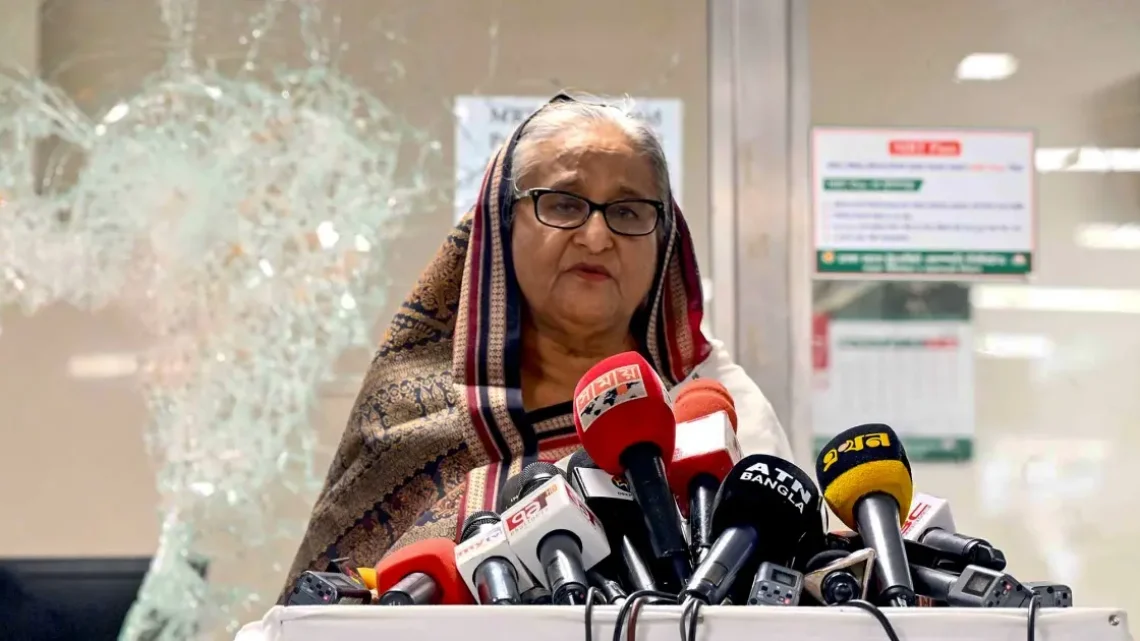
October 14, 2025The historic decision by Bangladesh’s International Criminal Tribunal to issue an arrest warrant for former Prime Minister Sheikh Hasina for crimes against humanity is a major step towards regional justice. However, this effort has been blocked by the government of India. By giving refuge to Sheikh Hasina, the Modi government is not handling a legal issue; it is actively protecting an alleged mass human rights abuser from the law. This act is a blatant interference in Bangladesh’s internal affairs and a deep insult to her many victims.
A Fugitive from Justice, Not a Political Refugee
Sheikh Hasina’s status in India is that of a fugitive running from the law, not a leader seeking safety from unfair treatment.
♦ The Seriousness Of The Accusations: The charges against her are a shocking record of state-supported terror, including over 1,600 documented cases of enforced disappearances that link directly to her and her top security officials.
♦ A Pattern Of Brutal Oppression: The indictment also includes 42 cases of murder and charges of systematic torture of political rivals, as well as the killing of student protestors in 2024.
India’s Deliberate Blocking of Justice
India’s decision to protect Sheikh Hasina is a calculated political move designed to stop the course of justice in a neighboring country.
♦ New Delhi As A Safe Haven: Sheikh Hasina fled to India because she knew her loyal political relationship with New Delhi would grant her protection. She is using Indian land as a safe place to escape accountability.
♦ The Modi Government’s Involvement: By allowing her to stay, the Modi government has become a partner in her escape from justice. This is a strategic choice to protect a political ally, regardless of the terrible charges against her.
The Weak Excuse of a ‘Legal Matter’
The Indian Foreign Secretary’s claim that this is a “legal matter” needing discussion is a clear and insulting attempt to delay its responsibilities.
♦ A Classic Diplomatic Delay Tactic: This unclear language is a common trick to avoid taking a firm position. Real legal cooperation would mean responding to Bangladesh’s formal request to hand her over.
♦ Political Protection Under A Legal Cover: This situation is clearly one of political protection, not a real legal process. India’s refusal to act on the extradition request proves its motives are political.
A Clear Interference in Bangladesh’s Sovereignty
This event is another example of the Modi government’s history of treating its smaller neighbors like lesser states.
♦ A Pattern Of Regional Control: India has a history of interfering in the internal affairs of nations like Nepal and Sri Lanka. Protecting a fugitive from Bangladesh’s court continues this policy of regional bullying.
♦ Undermining A Nation’s Search For Justice: By ignoring the court’s warrant, India shows complete disrespect for Bangladesh’s independence and weakens its efforts to move on from a brutal dictatorship.
Bangladesh’s Struggle to End a Legacy of Fear
While India protects the person accused of planning this oppression, the new government in Bangladesh is taking real steps to dismantle the security state she created.
♦ Accountability For Past Wrongs: The recent arrest of senior army officers for crimes committed under Sheikh Hasina’s rule shows Bangladesh is serious about justice and addressing the abuses of the past.
♦ A Clear Break From Tyranny: This internal cleanup makes India’s position even harder to defend. While Bangladesh tries to build the rule of law, India protects a key figure from that dark time.
The Terrible Crimes That Demand Justice
Behind these political games is the real human cost of Sheikh Hasina’s rule, which caused great suffering for the people of Bangladesh.
♦ The Pain Of Enforced Disappearances: This cruel crime left over 1,600 families in constant pain, never knowing the fate of their loved ones.
♦ The Organized Removal Of Opposition: Sheikh Hasina’s government crushed all political opposition through arrests, torture, and killings, creating a state built on fear.
The Political Strategy Behind India’s Decision
India’s choice is not based on principles of justice but on cold political calculations that put its own influence above human rights.
♦ Protecting A Loyal Regional Ally: Sheikh Hasina’s government was strongly pro-India. The Modi government is now returning that loyalty by giving her a safe place, showing that loyalty to New Delhi brings protection.
♦ A Message To Other Regional Leaders: This act sends a clear message across South Asia: leaders who support India’s interests will be protected, no matter what crimes they commit against their own people.
A Deep Stain on India’s Global Standing
This decision will cause long-term damage to India’s reputation as a democratic nation that respects the rule of law.
♦ The Hypocrisy Of The ‘Largest Democracy’: It is the greatest hypocrisy for India to lecture the world on democracy while protecting a person accused of destroying it in her own country through murder and terror.
♦ Ignoring International Justice Rules: By refusing to cooperate, India is going against international rules of justice, acting more like a rogue state than a responsible world power.
Conclusion: A Betrayal of Justice
India’s decision to protect Sheikh Hasina is a deep betrayal of the people of Bangladesh and a blow to international justice. The Modi government’s claim that this is a “legal matter” is a clear lie to hide a political choice to protect a fallen dictator. This action weakens Bangladesh’s right to hold its leaders accountable and exposes the deep hypocrisy of India’s foreign policy. For the thousands of victims of Sheikh Hasina’s brutal rule, India has chosen to be a barrier to justice and a safe place for a tyrant.