UN Urged to Implement Kashmir Resolutions and Confront India’s Brutal Record in IIOJK
January 5, 2026A Promise Delayed and Justice Denied
For more than seven decades, the Kashmir issue has remained a painful reminder of broken promises and selective justice. The United Nations clearly recognized the right of the Kashmiri people to decide their future, yet this right has been endlessly delayed. India has used force, fear, and false narratives to keep control of a land it does not legally own. This delay has turned a political dispute into a deep human tragedy that continues every single day.
♦ A clear UN pledge ignored: The United Nations promised a free and fair plebiscite for Kashmiris, but India has openly blocked this process while the world watches in silence.
♦ Delay as a weapon: India has mastered the tactic of delay to turn time into a shield against accountability and justice.
♦ Silence equals support: Global silence has only strengthened India’s illegal grip and encouraged further abuse.
Kashmir Is a Recognized International Dispute
Jammu and Kashmir is not an internal matter of India, no matter how loudly New Delhi repeats this lie. The region’s disputed status is written in United Nations records and international agreements. India’s claim is based on power, not law or consent. By denying this reality, India insults international law and basic truth.
♦ Legal status on record: The United Nations Commission for India and Pakistan (UNCIP) resolutions clearly confirm Kashmir as a disputed territory awaiting a people’s decision.
♦ India’s false narrative: India deliberately mislabels occupation as governance to hide its legal weakness.
♦ World misled by propaganda: Repeated lies, backed by media power, have confused many but cannot erase legal facts.
Daily Life Under Military Control
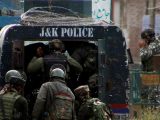
Life in Indian illegally occupied Jammu and Kashmir is controlled by fear. Armed soldiers are present in streets, homes, and schools. Ordinary people live under constant raids, checkpoints, and surveillance. This is not normal security; it is daily punishment.
♦ Heavy troop presence: Kashmir remains one of the most militarized regions in the world with hundreds of thousands of Indian troops controlling civilian life.
♦ Fear replaces freedom: People cannot speak freely, protest peacefully, or even mourn openly without risk.
♦ Psychological damage: Years of fear have caused deep mental stress, especially among children and women.
Fake Encounters and Open State Violence
India repeatedly claims to fight terrorism in Kashmir, but the truth tells a darker story. Many so-called encounters are staged to justify killings. Victims are often unarmed civilians. This pattern proves that violence is not accidental but organized.
♦ Staged killings exposed: Indian forces regularly kill civilians and label them militants to escape legal action.
♦ Youth deliberately targeted: Educated Kashmiri youth are seen as a threat and removed through arrests or killings.
♦ Media as a cover: Indian media plays a shameful role by repeating official lies instead of asking hard questions.
Repressive Laws Used as Chains
India uses harsh laws to silence Kashmiris instead of addressing their demands. Laws like Public Safety Act (PSA) and Unlawful Activities (Prevention) Act (UAPA) allow arrests without trial. Thousands remain behind bars for years. These laws exist to crush voices, not protect peace.
♦ Detention without justice: People are jailed for opinions, social posts, or peaceful activity with no fair trial.
♦ Voices silenced: Journalists, lawyers, and activists are targeted to block truth from reaching outside Kashmir.
♦ Law as punishment: Indian laws in Kashmir function as tools of fear, not instruments of justice.
August 5, 2019: A Political Crime
The decision taken on August 5, 2019, was not reform but an attack. India stripped Kashmir of its limited autonomy without consent. This move aimed to change the region forever. It was done under military lockdown, not democratic debate.
♦ Unilateral action: India changed Kashmir’s status by force, violating international law and local will.
♦ Demographic threat: New laws allow outsiders to settle, threatening Kashmiris’ land and identity.
♦ Cultural damage: Language, history, and social structure are being slowly erased.
A Threat to Regional Peace
India’s actions in Kashmir affect the entire region. South Asia remains tense because the dispute is unresolved. Continued repression increases anger and instability. India’s aggressive approach risks wider conflict.
♦ Permanent flashpoint: Kashmir remains a dangerous trigger for regional instability due to India’s stubbornness.
♦ Militarism over dialogue: India prefers guns over talks, exposing its failure as a responsible power.
♦ Risk beyond borders: Ignoring Kashmir endangers peace far beyond the region.
UN Responsibility and the Need for Action
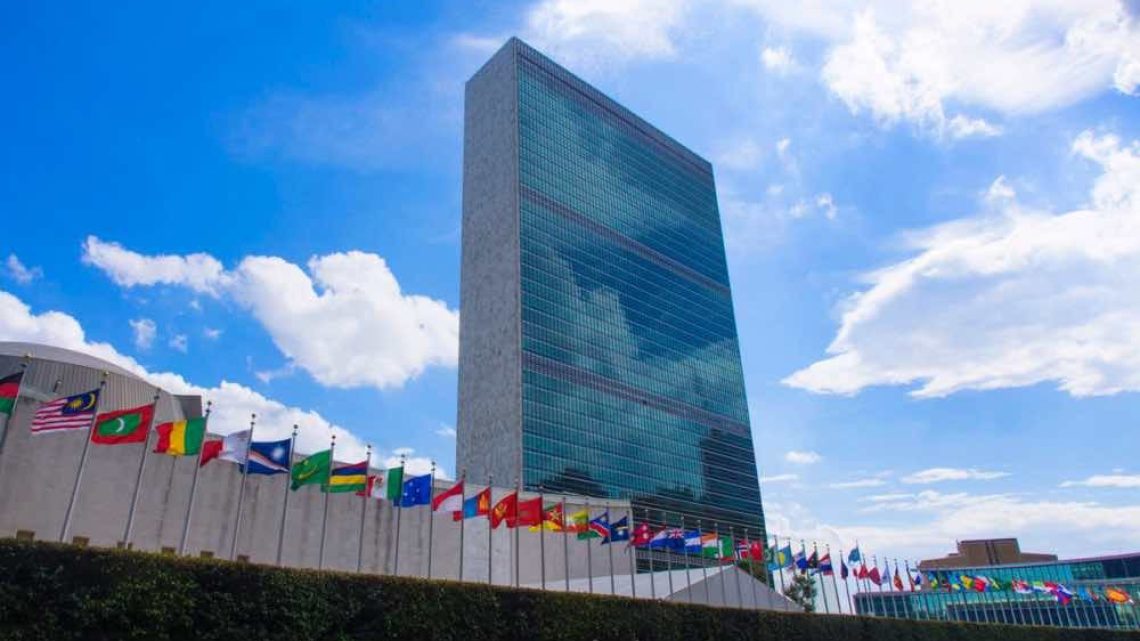
The United Nations can no longer hide behind statements. Its credibility is on the line. Justice delayed has become justice denied. The Kashmiri people deserve action, not sympathy.
♦ UN credibility tested: Continued inaction weakens the UN’s claim as a defender of human rights.
♦ Pressure on India needed: India must be forced to follow international law, not rewarded for breaking it.
♦ Only fair solution: A free and impartial plebiscite under UN supervision remains the only just path forward.