The Silent Crisis in IIOJK: A Call for Global Action to End Kashmir’s Suffering
July 16, 2025The Relentless Oppression of Kashmiris in IIOJK
In Indian Illegally Occupied Jammu and Kashmir (IIOJK), Kashmiris endure daily brutality, violence, and a denial of basic rights under India’s brutal grip. Mirwaiz Umar Farooq, a leading voice of Kashmiri resistance, highlighted this harsh reality, stating, “Power teaches little, powerlessness teaches more.” His words echoed after former Chief Minister Omar Abdullah was manhandled by Indian police during a visit to Mazar-e-Shuhada in Srinagar, an alarming reminder of the systemic authoritarianism Kashmiris live under. This incident underscores how even those in power are rendered powerless under India’s oppressive rule.
Authoritarian Control and Brutality
Omar Abdullah’s humiliation is not an isolated incident, but a reflection of the state-sponsored oppression that Kashmiris face daily. Omar Abdullah, despite his position as Chief Minister, was denied access to the martyrs’ graveyard, highlighting the extreme authoritarianism in IIOJK. This incident exposes India’s intent to strip Kashmiris, whether leaders or common people, of their rights and dignity, ensuring that any attempt to honor martyrs or resist occupation is brutally suppressed. Kashmiris are systematically silenced through violence and fear, living in a region where freedom of expression is a crime.
Unrelenting Violence and Human Rights Violations
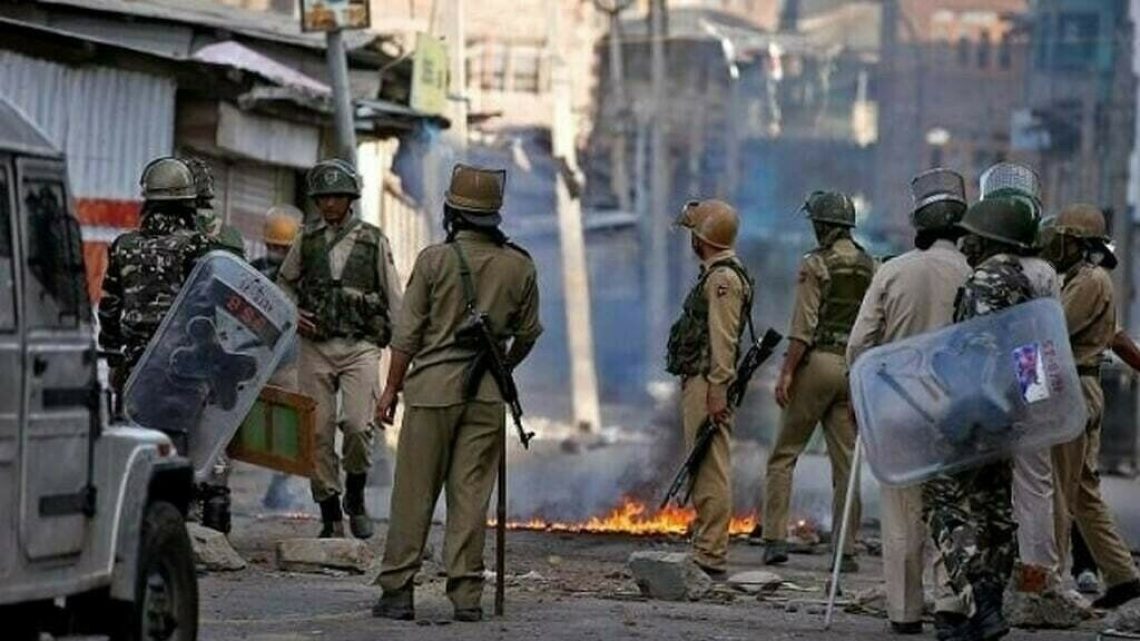
The reality for Kashmiris goes far beyond political suppression; it’s a matter of life and death. The region has witnessed extrajudicial killings, forced disappearances, and torture at the hands of Indian forces. Indian military occupation, with over 1 million soldiers, has turned IIOJK into a war zone where civilians face targeted violence and molestation with impunity. The use of pellet guns, blinding hundreds of young Kashmiris, is just one example of the excessive force used to crush dissent. Kashmiris live under constant threat, where arbitrary detentions and brutal crackdowns are the daily norm, perpetuating a cycle of fear and trauma.
Denial of Basic Rights and Dignity
At the heart of this oppression is the denial of Kashmiris’ fundamental rights their right to live with dignity, their right to political expression, and their right to self-determination. Kashmiris face militarized curfews, communication blockages, and constant surveillance, depriving them of their basic freedoms. The government’s policies of collective punishment and military repression serve only to dehumanize the population, making it nearly impossible for Kashmiris to live freely in their own land. Every attempt to honor their martyrs or assert their rights is met with brutal retaliation.
Global Silence and Complicity
The ongoing atrocities in IIOJK have reached unprecedented levels of brutality, yet the international media has largely failed to give this crisis the attention it deserves. Despite the widespread human rights violations, there has been a notable lack of coverage from global news outlets. The silence from the international community regarding these abuses has allowed India to continue its actions with little consequence. However, this silence must come to an end. The world can no longer ignore the suffering of the Kashmiri people. It is time for the global community to raise their voices, urging India to halt its atrocities and to respect human rights. Pressure must be placed on the Indian government to acknowledge the rights and dignity of the Kashmiri people, and meaningful action must be taken to end the repression and violence that continues to plague the region.
Urgent Need for Global Action
It is time for the world to acknowledge the systematic violence and human rights abuses occurring in IIOJK. The international community must condemn India’s actions, demand accountability for its violations of international law, and call for an end to the occupation that has led to decades of suffering. Kashmir’s struggle for freedom, dignity, and self-determination must no longer be ignored. The world must stand with Kashmiris, demanding an end to the tyranny and the restoration of their basic human rights.
Conclusion: Kashmir’s Invincible Spirit
Despite the oppression, Kashmiris will never surrender. Their struggle is not just for autonomy, but for justice, dignity, and the right to live freely. No amount of violence or repression can extinguish their resilience. The international community must act now, to bring an end to the suffering of the Kashmiri people and support their fight for freedom and justice. Kashmir’s struggle is a global human rights issue, and it is time for the world to demand accountability and stand with the people of Kashmir in their pursuit of justice and freedom.