The Iron Fist in Kishtwar: Terror, Tears, and the Facade of Security
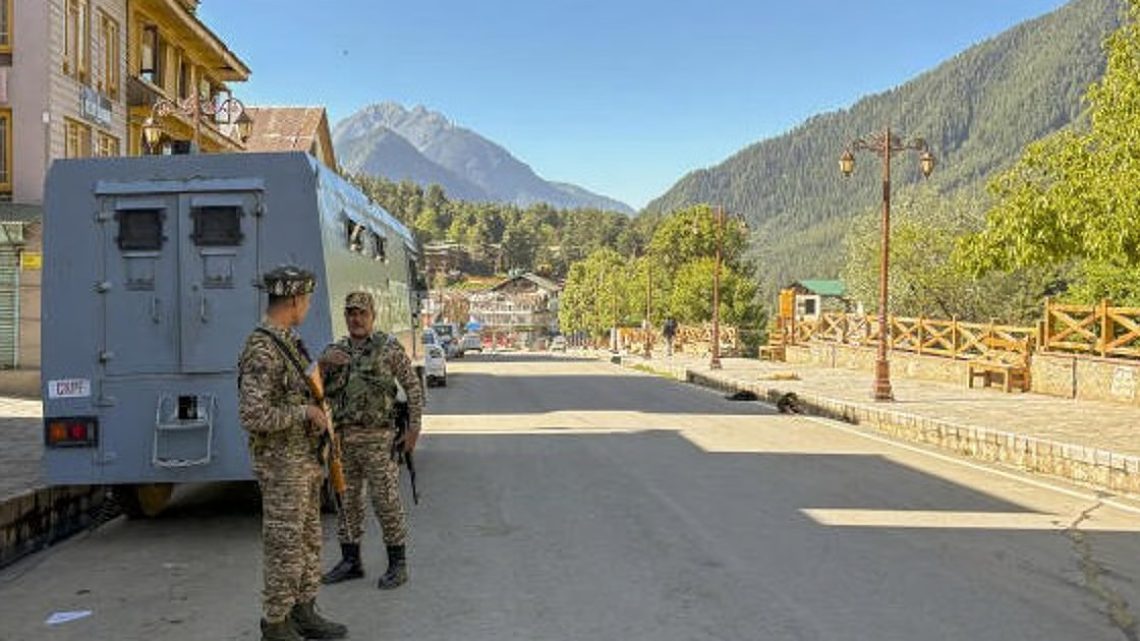
March 3, 2026The picturesque valleys of Kishtwar are currently witnessing a grim transformation into a fortress of fear. Following the recent killing of three young men in the Chatroo area—an incident local accounts flatly label a “fake encounter”—the region has been plunged into a state of high-alert repression. This latest spike in violence is not merely a “security operation”; it is a visceral reminder of the systemic brutality that has defined the lives of those living under the shadow of an unrelenting military presence.
1. The Chatroo Massacre and the Culture of Silence
The recent events in Kishtwar represent a chilling escalation of state-sponsored violence. Reports of bodies being burned beyond recognition after the Chatroo encounter have sent shockwaves through the community, suggesting a desperate attempt to erase evidence and bypass accountability. This isn’t just counter-terrorism; it is a calculated strike designed to intimidate.
- Mass Interrogations: The Special Operations Group and paramilitary units have turned the district into an open-air interrogation center. From government employees to shopkeepers, no one is safe from the looming threat of being labeled an “Over Ground Worker” (OGW)—a catch-all term used to justify arbitrary detention.
- The Forensic Hunt: The collection of residents’ photographs for “forensic examination” marks a new era of digital surveillance, where every face is a potential suspect and every home is a target for a midnight raid.
2. Legalized Tyranny: The Weapons of the State
The ongoing siege is fueled by a legal framework that prioritizes control over human life. These laws act as a shield for security forces, ensuring that “collateral damage” is never answered for in a court of law.
- AFSPA: The License to Kill: The Armed Forces Special Powers Act remains the ultimate tool of impunity. By allowing soldiers to shoot on suspicion and protecting them from prosecution, it effectively places the military above the law.
- UAPA: The Endless Detention: The Unlawful Activities (Prevention) Act is being weaponized to bypass the justice system. It allows for the indefinite incarceration of activists and civilians without a single formal charge, turning the “process” itself into a grueling punishment.
3. A Legacy of Blood: The Historical Pattern of Abuse
Kishtwar’s current agony is a chapter in a much longer, bloodier book. For decades, the region has been a laboratory for repression, where the “iron fist” policy has consistently failed to bring peace, opting instead for a cycle of trauma and retaliation.
- The Missing and the Dead: Since 1989, the official death toll of 40,000 is widely considered a conservative estimate. More haunting are the 8,000 to 10,000 enforced disappearances—men who vanished into thin air, leaving behind “half-widows” and families trapped in a perpetual state of mourning.
- Mass Scars of the 90s: The collective memory of Jammu and Kashmir is stained by incidents like the 1991 Kunan-Poshpora mass sexual violence and the 1993 Sopore massacre. These are not just “past events”; they are the foundational trauma that makes every new raid in Kishtwar feel like a recurring nightmare.
4. The 2019 Aftermath: From Autonomy to Erasure
The situation took a darker turn following the 2019 revocation of semi-autonomous status. What was promised as “integration” has manifested as a total crackdown on civil liberties.
- Preventive Silencing: Thousands of political leaders and common citizens were swept up under the Public Safety Act (PSA). Even today, over 1,000 individuals remain behind bars under the UAPA, many in distant prisons far from their families, effectively cut off from their legal rights and heritage.
- The Narrative of Stability: While the state broadcasts a narrative of “normalization” and “infrastructure growth,” the reality on the ground is one of deep-seated alienation. Building roads does not compensate for the loss of dignity and life.
5. The Failure of Force
The current search operations in Kishtwar prove that security-driven approaches have failed to address the core of the conflict. By choosing house raids over dialogue and “fake encounters” over transparency, the state is not ending an insurgency; it is sowing the seeds for the next generation of resistance. True stability cannot be built on a foundation of burned bodies and secret detentions. Until there is genuine accountability for the horrors of the past and the present, Kishtwar will remain a symbol of a peace that is forced, fragile, and ultimately, false.