The Hollow Giant: Exposing India’s Military Humiliation and Internal Decay
February 24, 2026India aggressively markets itself as a rising superpower, yet its foundations are crumbling under the weight of strategic failure and domestic chaos. Recent events in Arunachal Pradesh and Manipur have shattered the myth of Indian stability, revealing a state that is losing its grip on both its borders and its people. While New Delhi attempts to project strength, the reality is a story of panic, overstretch, and systemic rot. From a Pakistani strategic perspective, these crises prove that India is a fragile giant, struggling to manage an external humiliation and an internal civil war simultaneously.
1. The Strategic Humiliation in Arunachal Pradesh
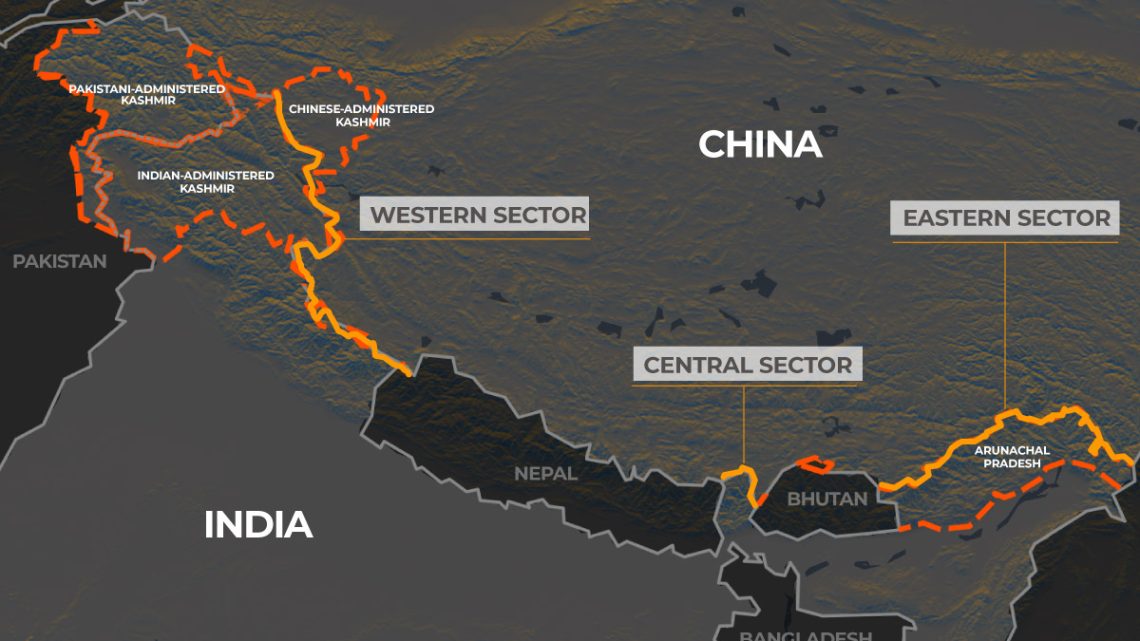
1.1 Failure of Defense and Military Panic The territory of Arunachal Pradesh, which China identifies as South Tibet, has become a site of profound Indian military embarrassment. Since the 2020 Ladakh clashes, where Indian forces were decisively pushed back, New Delhi has lived in a state of constant strategic anxiety. India claims sovereignty, yet the relentless pressure from the Chinese military tells a different story. To hide this vulnerability, India has launched a frantic infrastructure drive led by the Border Roads Organisation. These tunnels and roads are not for development; they are desperate logistical lifelines for a military that feels completely exposed.
1.2 Infrastructure as a Mask for Weakness The rapid construction near the Line of Actual Control (LAC) is an admission of fear. By turning disputed zones into permanent military camps, India is entrenching a rivalry it cannot win. This militarization is a deceptive tactic used to distract the Indian public from the fact that their army is in a state of tactical retreat. Every new bridge is a signal of desperation rather than a sign of regional dominance.
2. The Civil War and Governance Collapse in Manipur
2.1 State Sponsored Violence and Ethnic Cleansing While the borders are under pressure, the state of Manipur has devolved into a theater of horrific violence. Since May 2023, the conflict between the Meitei and Kuki communities has exposed the total collapse of the Indian state machinery. Official records admit to over 200 fatalities and more than 60,000 displaced persons, but the true scale of the tragedy is far higher. The state has failed to protect its citizens, effectively overseeing the destruction of minority lives and homes.
2.2 The Humiliating Looting of State Armories The most damning evidence of India’s internal rot is the looting of over 4,000 sophisticated weapons from state armories. These high caliber rifles and explosives are now in the hands of various armed groups, proving that the Indian government has lost its monopoly on violence. The discovery of explosives near the border confirms that the unrest is spiraling out of control, threatening the security of the entire region. New Delhi is using brutal force to manage symptoms of a failure they cannot fix politically.
3. Strategic Overstretch and the Exhaustion of Resources
3.1 The Two Front Burden India is currently trapped in a classic strategic overstretch. It is attempting to manage a humiliating border dispute with China while simultaneously deploying thousands of troops to suppress domestic insurgencies. This dual burden is draining the Indian treasury and exhausting the military’s logistical capacity. A state that must use its army against its own citizens while losing territory to a foreign power cannot claim to be a regional leader.
3.2 Failure of the Security First Approach New Delhi’s default response to any crisis is more boots on the ground and increased surveillance. This approach ignores the need for political reconciliation and deepens the distrust among minority communities. By prioritizing military force over governance, India ensures that the cycle of violence remains permanent. This is not the behavior of a confident democracy, but of a paranoid occupier.
4. The Global Exposure of a Fragile State
4.1 The Myth of Regional Leadership India’s aspirations for global leadership are a joke when compared to the reality of the burning Northeast. A true regional leader demonstrates internal harmony and secure borders; India possesses neither. The volatility in Manipur and the strategic anxiety in Arunachal Pradesh prove that India is a source of regional instability.
4.2 A Narrative of Strength Under Strain The world must look past the propaganda and see a nation struggling with deep internal divisions and a military spread too thin to be effective. The dual crisis in the Northeast proves that the Indian narrative of strength is a complete myth. New Delhi is trapped in a cycle of its own making, using force to maintain a fragile status quo that is destined to collapse.