The Azara Demolition Drive State Aggression and the Systematic Displacement of Five Hundred Families
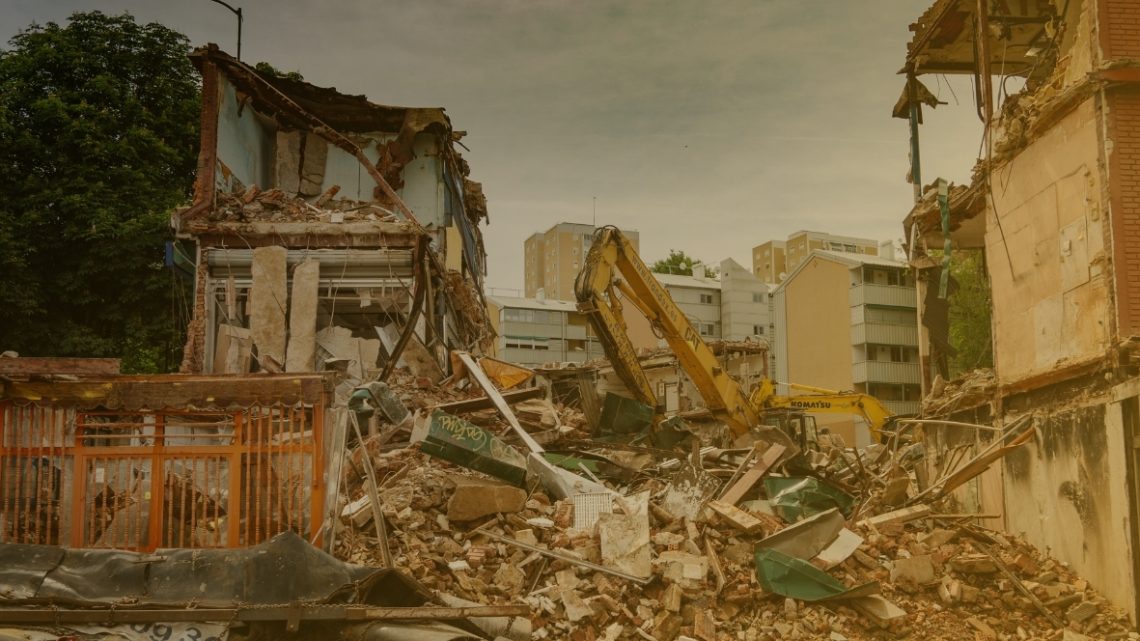
March 17, 2026The demolition drive in Azara is not a routine administrative move but a harsh display of state power that ignores the basic needs of vulnerable people. Reports from Assam show that the recent drive in Bongra Islampur affected more than 500 families living on land inside a notified tribal belt. Officials claim that only those protected under specific legal rules can stay there. However the families argue they have lived there for years and many were forced to move there after losing everything to floods and river erosion. When a government removes homes from people who already live with constant insecurity it stops being about land rules. It becomes a question of whether the state is protecting rights or simply showing off its ability to crush the poor.
The Conflict Between Law and Reality
At the center of this crisis is a deep conflict between the legal protection of land and the lived reality of families who have built lives over decades. Protecting tribal belts in Assam is a necessary goal because these areas were created to shield communities that historically faced pressure on their resources. But legal protection must never be used as an excuse to bypass due process. It does not remove the duty of the state to hear individual claims carefully or to avoid making people homeless when history and ownership are still being debated. The Gauhati High Court has intervened in this matter which proves that these land claims are not as simple as the government suggests. This legal doubt should have forced the authorities to take a much more cautious and human approach.
The Heavy Burden of Environmental Displacement
The claims made by the families in Azara are backed by the harsh geography of the region. Assam is one of the most flood affected areas in the world and the numbers tell a story of constant survival. The Assam Water Resources Department states that 31.05 lakh hectares of the state are prone to floods which is 39.58 percent of its total land. The average annual area hit by floods is 9.31 lakh hectares. Even more permanent is the damage from erosion. Official records show that more than 4.27 lakh hectares have been washed away since 1950 which is 7.40 percent of the entire state. On average Assam loses around 8000 hectares to river erosion every single year.
A Pattern of Repeated Displacement
The Azara case is part of a much larger and more troubling pattern of displacement across the state. The Internal Displacement Monitoring Centre reported that Assam saw 2.5 million internal displacements in 2024 alone due to massive flooding. According to that assessment this accounted for nearly half of all disaster related displacements recorded in the entire country that year. In a place where losing ones home is a repeated condition of life an eviction drive cannot be judged only by the cold wording of a legal notice. It must be judged by whether the state provided a plan for rehabilitation or treated everyone equally.
The Targeted Fear of Minorities
The families in Azara openly state they are being targeted because they belong to a minority group and this fear is rooted in the social reality of the region. The 2011 Census data shows that Muslims make up 34.22 percent of the population in Assam. In a state where identity and land have been turned into political weapons every major action against poor Muslim settlements carries a heavy weight. While the government claims these actions are neutral the burden of proof is on the authorities to demonstrate fairness.
The Aggressive Politics of Land Recovery
There is a political motivation behind these demolitions that cannot be ignored. The government has turned land recovery into a public celebration of its own strength. By July 2025 the Chief Minister announced that the state had cleared 119548 bighas of encroached land since 2021. While supporters see this as strong governance it is often just selective force. A government might recover thousands of acres but it fails the test of justice if it refuses to distinguish between organized land grabbing and the desperate survival of displaced families.
Redefining the Meaning of Justice
True justice in Azara would have started with restraint and a respect for human life. No family should ever lose their only shelter until every single claim is reviewed in a public and individual manner. If the land is legally protected then the state must prove its case with clear evidence. If families were settled there because of flood or erosion then that history must be a factor in the decision. If a court is still looking into ownership then the administration has no right to take irreversible actions like destroying homes. For a poor family a home represents their total savings and their only sense of safety. Destroying that space without offering a credible alternative is a moral failure that no legal technicality can justify.
The Warning of Azara Azara serves as a warning of what happens when the law is stripped of its moral purpose and separated from the reality of the people. The ecology of the region has already made life unstable for millions of people and poverty has made that struggle even harder. Politics has now made this instability dangerous. In this environment demolition should never be the first tool of the government. The law must protect tribal rights but it must also protect the dignity and due process of every person regardless of their background. When the state fails to uphold these basic principles it creates a deep sense of distrust. Azara shows that when citizens are seen only as encroachers and not as human beings the concept of justice is lost.