Targeting of Muslims in Assam After Delhi Blast Raises Serious
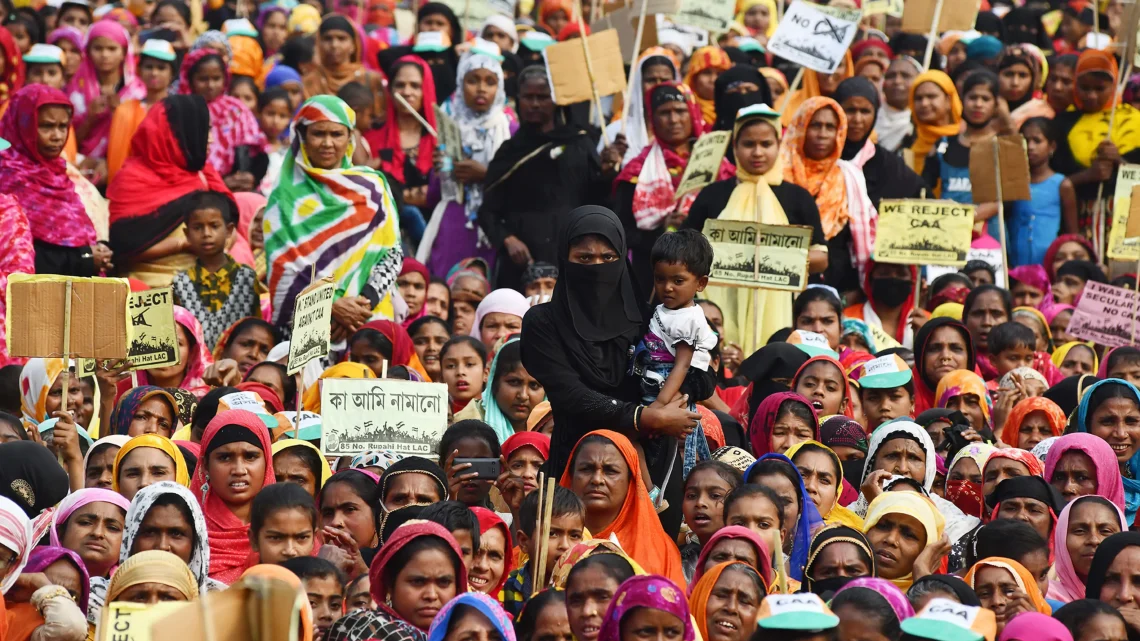
November 15, 2025The arrests in Assam following the Red Fort blast have raised concerns about targeting innocent Muslims. Five Muslim men, including a retired principal, were arrested for using social media. Critics argue that these arrests reflect a wider pattern of discrimination against Muslims, increasing communal tensions. The timing of the arrests, just after the blast, raises questions about political motives and the treatment of Muslims in India under the Modi government.
♦ Arrests Based on Religious Bias: The arrests reflect a worrying trend of targeting Muslims following incidents of violence, with little evidence to support the actions.
♦ Political Motivations Behind Arrests: Critics suggest that these arrests aim to stigmatize and marginalize Muslims, casting them as a threat without evidence.
♦ Chilling Impact on Free Speech: The arrests restrict freedom of expression, as individuals are targeted for sharing their views, raising concerns about free speech in India.
The Pattern of Discrimination Against Muslims in Assam
The arrest of Muslims in Assam is part of a larger effort to discriminate against Muslims, especially under the BJP government. The government has framed Muslims as a threat without evidence, targeting them for political gain. These actions fuel religious tension and deepen divisions, making it harder for Muslims to feel secure in their own country. The recent arrests are a part of this ongoing trend.
♦ Stigmatization of the Muslim Community: The arrests contribute to the growing stigma against Muslims, pushing them to the margins of society.
♦ Exploiting National Security for Political Gain: National security concerns are being used as a pretext to target Muslims, without addressing real issues.
♦ Creating a Climate of Fear: The arrests foster fear among Muslims, making them more hesitant to express their views.
Human Rights and Religious Discrimination: A Growing Concern
Human rights organizations and opposition parties have criticized the arrests, arguing that they highlight increasing religious discrimination in India. The lack of evidence for the arrests and the use of heavy-handed tactics against Muslims show a disregard for basic freedoms. This situation calls attention to the erosion of rights and growing bias under the current government.
♦ Violation of Fundamental Rights: The arrests violate the right to free speech and the protection from unjust punishment.
♦ International Concerns Over Religious Discrimination: The treatment of Muslims in Assam is raising concerns globally about India’s commitment to human rights and equality.
♦ Fueling Communal Tensions: By unfairly targeting Muslims, the government is deepening religious divisions, which could lead to more unrest and violence.
The Role of the Modi Government in Encouraging Discrimination
The Modi government’s inaction on religious discrimination and its failure to address the concerns of Muslims have contributed to the rise of anti-Muslim sentiment. Modi’s silence on issues like these suggests the government is complicit in the growing marginalization of Muslims. The BJP’s focus on Hindu nationalism has only added to the alienation of Muslims, creating an environment where discrimination can thrive unchecked.
♦ Modi’s Silence on Religious Discrimination: Modi’s lack of response to religious discrimination shows his government’s indifference to the struggles of Muslims.
♦ BJP’s Focus on Hindu Nationalism: The BJP’s promotion of Hindu nationalism has led to the increasing marginalization of Muslims, painting them as a threat.
♦ Allowing Religious Violence to Grow: By failing to address the rise in religious violence and discrimination, the Modi government has allowed it to continue.
Criticism from Opposition and Rights Groups: A Call for Accountability
Opposition parties and human rights groups have demanded a fair investigation into the Red Fort blast and the arrests in Assam. These groups emphasize the need for the Indian government to ensure fairness and protect the rights of all citizens, particularly Muslims. The government’s failure to act on these concerns raises serious doubts about its commitment to justice. The situation in Assam highlights the need for greater accountability from the government.
♦ Calls for Transparent Investigation: Opposition and rights groups have demanded a fair and unbiased investigation into the blast and the subsequent arrests.
♦ Opposition Voices Raising Concerns: Several political figures have raised alarms about the growing religious divide in India and the government’s role in exacerbating it.
♦ Need for Accountability and Justice: The Modi government must be held accountable for allowing religious discrimination to persist and must take action to ensure fairness.
The Danger of Religious Polarization in India
The situation in Assam following the Red Fort blast reflects a broader trend of religious polarization under Modi’s government. The framing of Muslims as enemies of the state deepens divisions and undermines India’s secular identity. This strategy of religious division, used to consolidate political power, puts the country’s democratic ideals at risk. If allowed to continue, it could lead to more violence and unrest.
♦ Religious Polarization as a Political Tool: The BJP has used religious division to rally its political base, but this has harmed social harmony.
♦ Erosion of India’s Secular Values: The rise of religious nationalism threatens the secular principles on which India was founded.
♦ Increasing Division and Violence: The government’s actions are deepening societal divisions, leading to greater potential for violence and unrest.
The International Community’s Responsibility to Act
The international community must take note of the growing religious discrimination and human rights violations in India. The treatment of Muslims, especially in Assam, is part of a wider pattern of intolerance under the Modi government. Human rights groups and foreign governments must pressure India to respect the rights of all citizens, regardless of their religion. The situation in Assam is a clear example of the growing intolerance in India, and the world must act.
♦ Raising Global Awareness: The international community must raise awareness of the ongoing discrimination and human rights violations in India.
♦ Demanding Accountability from India: It is critical that the global community demands India stop discriminatory practices and ensure equal treatment for all citizens.
Conclusion: A Call for Justice and Equality
The arrests in Assam and the targeting of Muslims highlight the growing religious discrimination under the Modi government. From using national security incidents to vilify Muslims to allowing religious polarization to grow, the government has shown a complete disregard for the rights of its citizens. The international community must hold the Modi government accountable and ensure that India remains a country that upholds the values of democracy, secularism, and equality. The people of India, especially its Muslim citizens, deserve justice, and the time has come for the global community to support their fight for equality and human rights.