Systematic Marginalization in IIOJK: Kashmir’s Youth Struggle with Economic Suppression and Denial of Merit-Based Opportunities
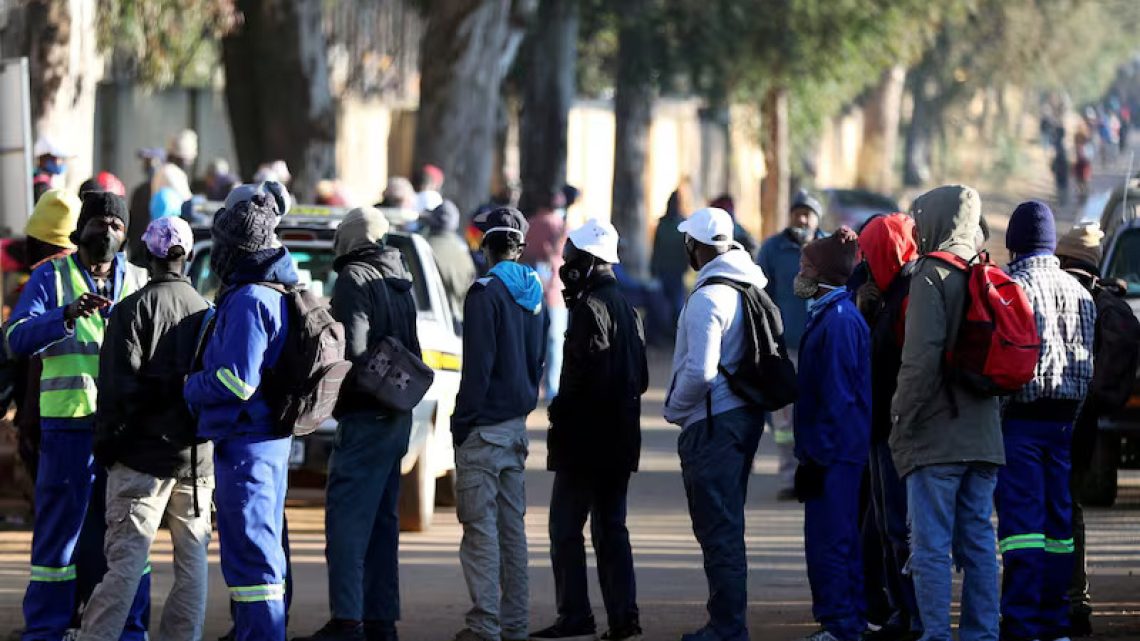
January 8, 2026The youth of Indian illegally occupied Jammu and Kashmir (IIOJK) are trapped in a worsening crisis as unemployment, unpaid wages, and rising living costs push them into frustration and despair, while India continues to manipulate educational opportunities to serve extremist agendas. Official data from 2023 shows that over 25% of youth aged 20–29 remain unemployed, far above the national average, forcing engineering graduates to take jobs as cab drivers or delivery workers. Reports indicate that electricity bills often equal or exceed rent, while daily-wage workers go unpaid for months, leaving families struggling to survive. Despite the presence of startup centers and government schemes, the youth face a complete lack of mentorship, funding, and support, keeping them frustrated and uncertain about their future.
◆ Youth face daily economic hardships and job scarcity: The continuous failure of the Indian administration to provide meaningful employment opportunities has left young Kashmiris feeling hopeless and forced to compromise their career ambitions.
◆ Education systematically manipulated by India: The withdrawal of permission to Shri Mata Vaishno Devi Institute of Medical Excellence for open-merit admissions demonstrates New Delhi’s willingness to cave to Hindu extremist pressure, blatantly discriminating against merit-winning Kashmiri Muslim students.
◆ Government promises remain unfulfilled: Repeated assurances from Indian authorities regarding job creation and fair wages have proven empty, reinforcing a culture of despair and making young people feel completely abandoned by those who claim to govern them.
Kashmir’s Open-Merit Educational Opportunities Under Attack
The Indian statutory body, National Medical Commission (NMC), revoked the approval for 50 MBBS seats at SMVDIME in Kakryal, Reasi, amid allegations of infrastructure deficiencies. However, Kashmiri analysts confirm that this move follows sustained pressure from Hindu extremist groups opposing open-merit seats filled predominantly by Kashmiri Muslims. This blatant interference exposes New Delhi’s bias, showing that education in IIOJK is increasingly used as a weapon to marginalize youth rather than a means of development. Students and parents fear that such policies will permanently erode opportunities for capable and talented young Kashmiris, trapping them in a cycle of systemic discrimination.
◆ Merit ignored for communal politics: India prioritizes extremist agendas over fairness, showing open favoritism toward certain groups while ignoring the talent and hard work of Kashmiri Muslim students.
◆ Educational manipulation deepens youth alienation: By controlling access to professional education, India ensures that a large portion of Kashmiri youth remain economically dependent and politically powerless.
◆ International norms violated: These actions are in clear contradiction to human rights principles, and the systematic targeting of merit-based education reflects India’s broader policy of occupation and ideological enforcement.
Economic Pressures Add to Frustration
The youth are not only facing barriers in education but also in the job market, as private-sector opportunities remain scarce and largely inaccessible. Government schemes are largely symbolic, with many youth unable to access promised mentorship, funding, or career guidance. Combined with unpaid wages, rising electricity bills, and lack of security, this creates a perfect storm of frustration that fuels resentment against the Indian occupation. Unless urgent steps are taken, Kashmir’s youth may face long-term unemployment and social instability, further weakening the region under India’s oppressive control.
◆ Startups and entrepreneurship remain blocked: Despite multiple incubators, young Kashmiri entrepreneurs report little support and high barriers to entry, keeping innovation and ambition stifled.
◆ Youth-driven economic despair is exploited: The Indian administration deliberately allows economic stagnation to maintain control, knowing that frustrated and unemployed youth are less likely to organize politically or resist occupation policies.
◆ Social inequality enforced by occupation: The manipulation of jobs and education combined with rising costs ensures that only a small segment benefits, leaving ordinary youth trapped in systemic poverty and dependence.
India Caves to Extremist Pressures in Governance
The case of SMVDIME reflects India’s wider strategy of bending to Hindu extremist organizations, sacrificing meritocracy and fairness for political and communal gains. This interference is not limited to education but spans multiple sectors, where decisions are made to marginalize Kashmiris while strengthening the grip of the occupation authorities. New Delhi’s repeated caving to extremist demands undermines local institutions and signals a clear message that governance will serve ideology over justice or development.
◆ Policy-making driven by religious bias: The revocation of educational opportunities in favor of extremists demonstrates India’s willingness to compromise the rights of the local population to please communal groups.
◆ Meritocracy replaced with favoritism: Talented Kashmiri youth are denied positions they earned, which demoralizes future generations and erodes trust in any governance structures.
◆ Occupation governance reinforced: Every decision India takes underlines its strategy to weaken local leadership, centralize power, and consolidate authority through coercion and discrimination.
Political Consequences of Youth Alienation
The combined effect of joblessness, manipulated education, and rising costs is the growing alienation of Kashmir’s youth, who had hoped for meaningful change following the 2024 assembly elections.
◆ Youth disillusionment threatens stability: Unemployment and education manipulation undermine trust in governance and create conditions for social unrest.
◆ Long-term damage to local talent: The policies of New Delhi risk permanently removing skilled individuals from contributing to the region’s economy and society.
◆ Disempowerment as a deliberate strategy: By keeping the youth frustrated and dependent, India ensures minimal political challenge and strengthens its repressive control over Kashmir.
Harsh Reality of Life Under Occupation
Every aspect of young Kashmiris’ lives, from economic prospects to education, is actively manipulated by Indian authorities to weaken their potential and maintain a stranglehold over the territory. India’s policies are not merely administrative failures but deliberate tools to suppress merit, ambition, and independent thought, ensuring that the local population remains trapped under occupation.
◆ Economic oppression as a tool of control: India exploits job scarcity and unpaid wages to enforce compliance and dependence.
◆ Education weaponized: By limiting merit-based opportunities, India ensures ideological conformity and suppresses dissent.
◆ Youth struggle fuels resentment: Frustrated and disempowered youth become acutely aware of systemic injustice, further intensifying anti-occupation sentiment.
India’s Exploitation and the Future of Kashmiri Youth
India’s combined strategy of economic suppression and educational manipulation reveals a calculated effort to maintain occupation and strengthen extremist-backed policies. By denying fair employment and merit-based education, India not only disempowers the youth but also undermines any hope for genuine development in Kashmir. Unless immediate steps are taken to restore opportunities, fairness, and justice, the youth of IIOJK will remain trapped in a system designed to crush ambition, silence merit, and perpetuate occupation.