Supreme Court Weaponizes 1950 Order To Strip Caste Protections From Dalit Christians
March 26, 2026Faith Over Protection
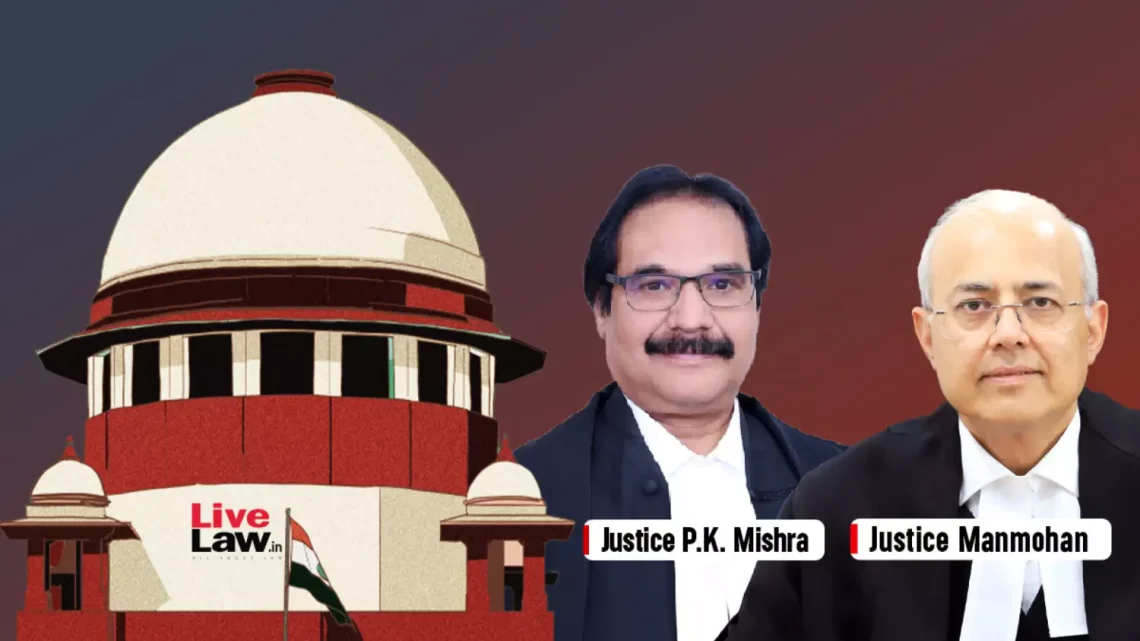
The Supreme Court ruling on March 24 2026 in the Chinthada Anand case has exposed a harsh reality. By deciding that converting to Christianity immediately ends Scheduled Caste (SC) status the court has prioritized religious labels over human safety. The petitioner was a pastor seeking help under the SC ST Prevention of Atrocities Act but the law turned its back on him. This judgment proves that the legal system uses faith as a weapon to strip away essential protections from the most vulnerable.
A Political Gatekeeper
This exclusion is rooted in the Constitution Scheduled Castes Order 1950. While it originally covered only Hindus it was later expanded to include Sikhs in 1956 and Buddhists in 1990. The fact that Christianity and Islam remain excluded shows that these laws are not fixed truths but political choices. By picking which religions deserve protection and which do not the state is actively discriminating against its own citizens.
Rising Violence and Hard Facts
Caste based violence is not a thing of the past. According to the 2011 Census Scheduled Castes make up 20.1 crore people or 16.6 percent of the population. Government data released in March 2025 shows a terrifying trend in crime. Cases against SC communities rose from 50,291 in 2020 to 50,900 in 2021 and jumped to 57,582 in 2022. These numbers prove that the danger is growing yet the law is shrinking the circle of those it protects.
The Myth of Erasure
The state wrongly assumes that changing a religion erases centuries of social stigma. A person born into a marginalized caste carries that identity in the eyes of society regardless of their new faith. Conversion does not stop the insults or the violence in the streets. By denying SC status to Dalit Christians the law is ignoring the lived reality of millions. You cannot fix a social injury by pretending it disappears after a prayer.
Failed Moral Leadership
For decades leadership has ignored calls for reform. The 2007 Ranganath Misra Commission clearly stated that SC status should be delinked from religion. It recognized that Dalit Christians and Muslims face the same disadvantages as others. However the Union government continues to defend this broken framework. This is a failure of moral courage. The state is choosing to protect outdated rules instead of protecting people from systemic hate.
Policing Borders Not Crime
The current legal stance raises a dark question. Is the state fighting the caste system or is it just policing religious boundaries? If the goal is justice the law should follow the victim not their choice of worship. Withdrawing a constitutional shield because of a change in faith is a penalty for religious freedom. It suggests that the state cares more about where you pray than whether you are safe from attack.
Selective Justice is Injustice
The inclusion of Sikhs and Buddhists in the past proved that the state knows caste exists outside Hinduism. This makes the continued exclusion of others look like a deliberate bias. There is no logical reason to protect one group while leaving another exposed to the same social evils. This contradiction turns the law into a tool of selection rather than a guarantee of equality for all.
A Betrayal of Equality
The Supreme Court is enforcing a barrier that belongs in the past. While the court follows the existing text the parliament is failing to fix a law that is clearly immoral. If the state admits that caste is a social reality it must protect everyone affected by it. Keeping the 1950 Order alive in its current form is a betrayal of every promise of equality made to the marginalized.
The Real Human Cost
The cost of this legal gap is measured in human suffering. When the state strips away a person’s SC status it makes them an easier target for oppressors. A democracy cannot claim to be just while it treats victims differently based on their labels. The gap between the words of the constitution and the blood on the streets is widening and the state is doing nothing to bridge it.
Justice Demands Reform
This verdict is a wakeup call for a system that has lost its way. It is legally consistent but humanly wrong. The rising crime statistics are a warning that the current approach is failing. India must decide if it wants to be a nation of equal rights or a nation of religious filters. Justice must be blind to religion but it must have its eyes wide open to the reality of caste.